What can Irish architecture and design do for public buildings?
The Irish public has been critical of the standards of architecture in Ireland. Now, more positive signs of Irish architecture appear to be emerging. The question now is how best to draw on these encouraging signs and create a coherent image for the future of public building.
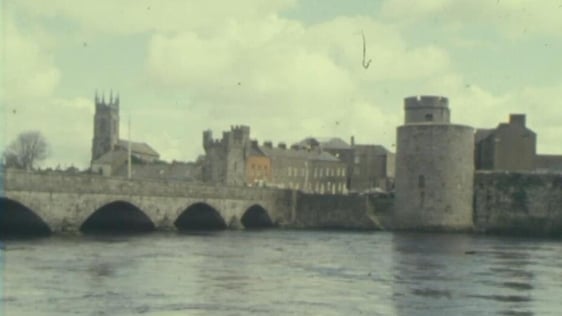
For centuries, Irish architecture was the preserve of the rich and the powerful.
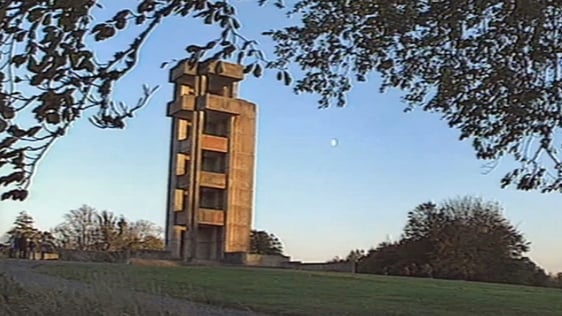
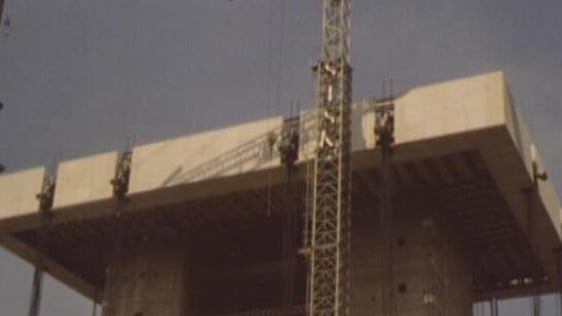
New materials are making a new kind of architecture possible. The evolution of architecture continues as it has from Gothic churches to the modern skyscraper.
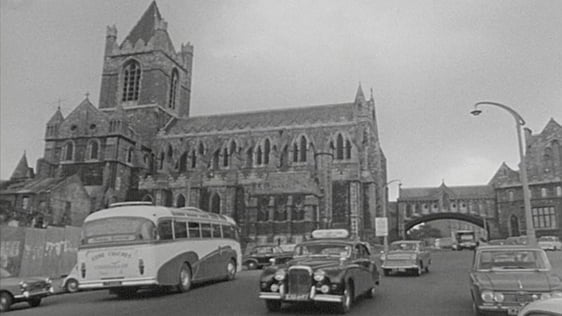
The buildings tell us who was in charge here.
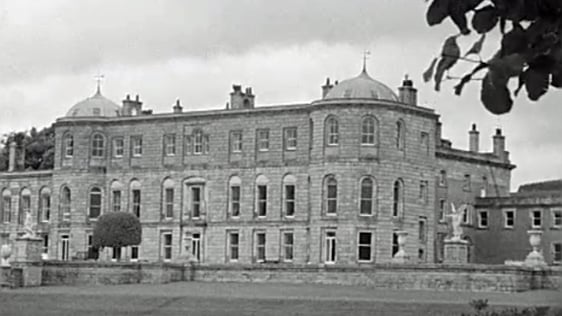
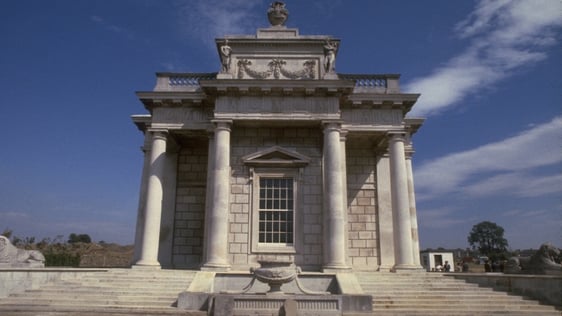
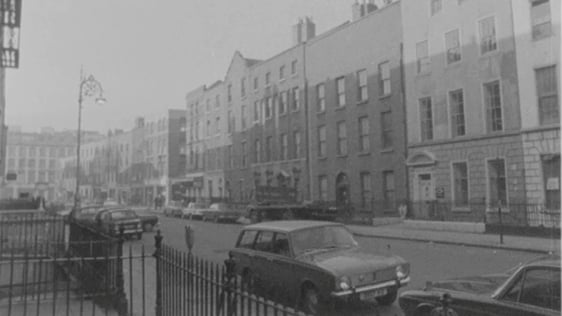
Buildings mark the era to which they belong and tell us something about the people that built them. Early Christian round towers tell us about the people who created them a thousand years ago. Examples of Palladian architecture are evident all over Ireland, with a classic sense of symmetry, scale, and order demonstrating a more comfortable and privileged way of life.
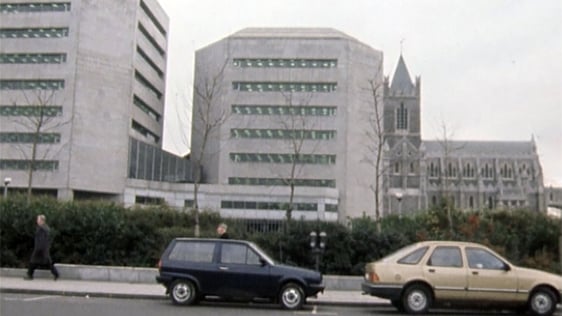
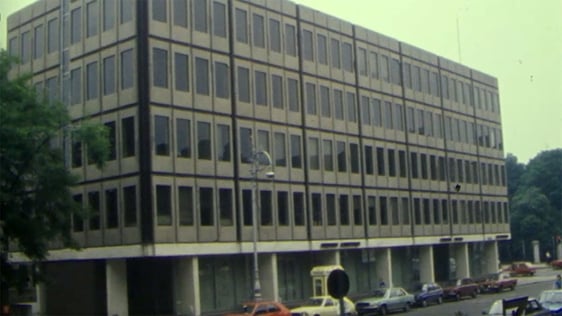
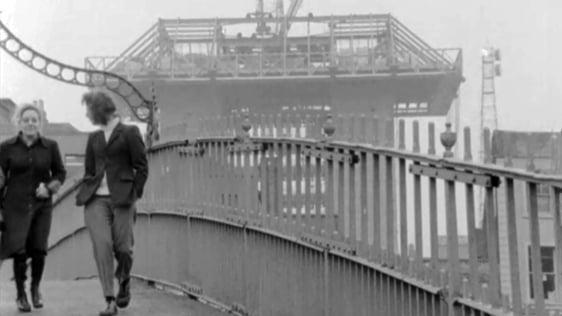
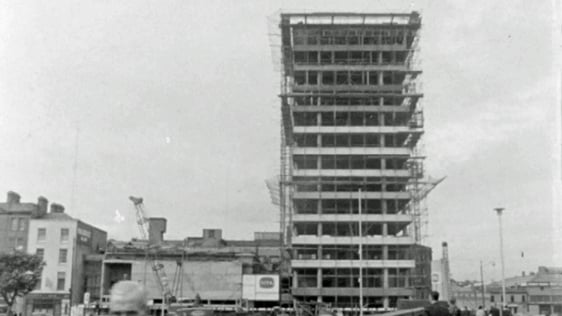
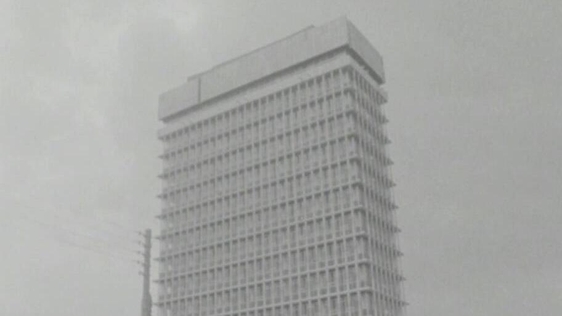
The modern day Central Bank building on Dame Street in Dublin is a monument to money, representing the dominant position of commerce in Irish society.
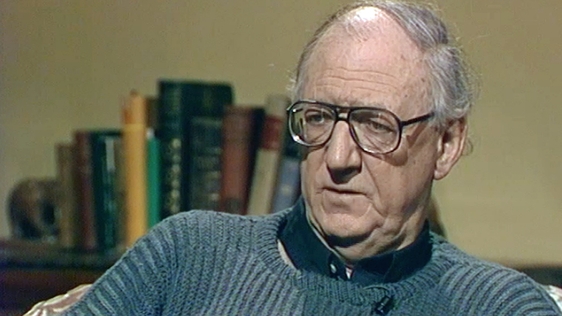
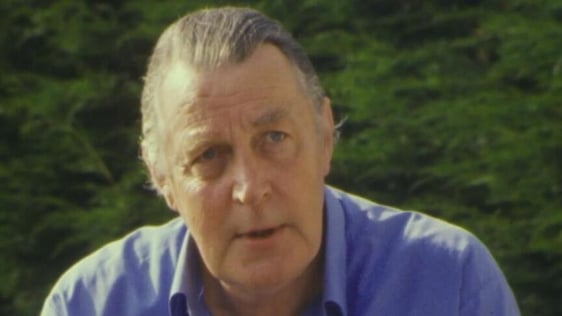
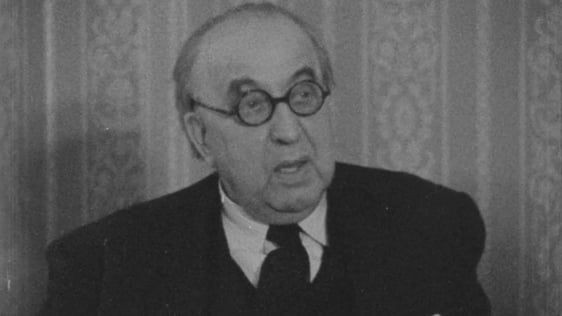
In the 1980s, there was a growing public interest in architectural heritage. This was also a period which witnessed a growth in pastiche, where new buildings were built in the style and character of those that came before. John Graby, General Secretary of the RIAI, believes there was a clear view of architectural style during the 1960s corresponding with a vision of Ireland. An example of this can be seen in the church architecture of the period where architects explored new visions and new forms even if they were not always popular. John Graby says that the vision of Ireland today is not clear, and this is reflected in the architecture.
The architect's vision is also not clear at this time.
Burt Church, overlooking Lough Swilly in County Donegal, was designed by architect Liam McCormack and was completed in 1967. The circular shape of the church reflects that of the ancient fort Grianan of Aileach located nearby. The spire of the church sits off centre to the main strong, thick stone-walled structure beneath. The spire marks the church within the landscape and also defines the position of the altar as the centrepiece. This building demonstrates the use of modern technology alongside function and historical reference.
Another recent building of distinction is Birr Community School, designed by Peter and Mary Doyle. While the outside of the building appears like a sprawling factory, the inside has won awards for its succesful design. According to John Graby, the building uses low-key Irish technology in a very sophisticated way. The portal structure allowed the architects to meet the different functional requirements of the spaces within the building. The premise of the construction was to create a building that acted like a small village to house the 850 students. The architect centred the rooms around the idea of a street, which would provide order to the spaces similar to the Italian image of the public piazza.
The structure of the school introduces the idea of living in a town, the idea of respecting public spaces, how to recreate in public spaces.
This episode of 'Nature of Things' titled 'Behind The Facade' was broadcast on 19 April 1990. The programme is presented by Tim Collins, with a report by John Murray.