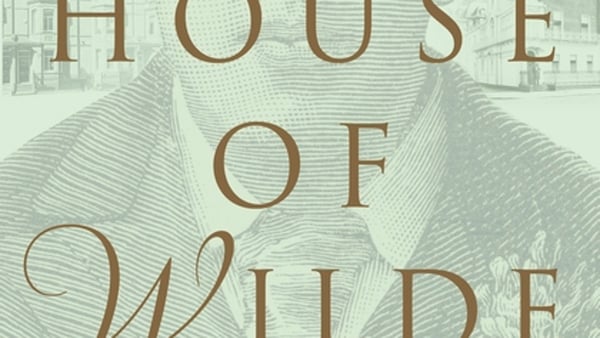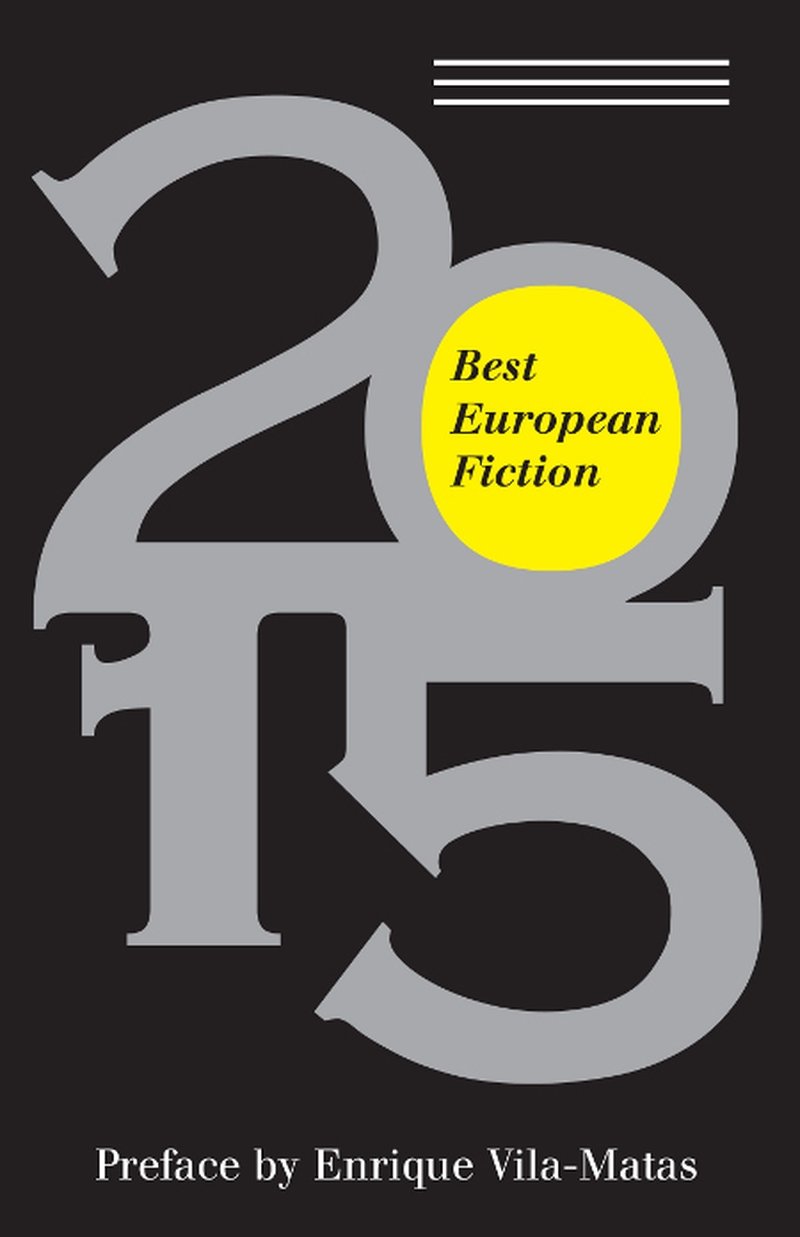
Best European Fiction 2015 gathers the work of writers from all corners of Europe, from Spain, France, Estonia Bulgaria, Latvia, Montenegro, Liechtenstein, Portugal, Slovenia, Macedonia, Romania, Russia, Lithuania, Norway, Basque Country (Spain) and Ireland too.
Irish writer John Toomey’s What the Dying Heart Says is told from the point of view of a man who is ostensibly brain-dead following a serious car accident. However, he is more alive to what is going on around him than the doctors actually know.
The stories tend to the experimental and magic realist. Joanna Walsh’s Worlds From the Word’s End (United Kingdom) posits a world whose inhabitants end up utterly unable to communicate, following the failure of social network.
Diego Marani’s The Man Who Missed Trains is set in Ferrara Train Station, as a train – the 754 Crotone Express, due at 12:02 - simply vanishes into thin air before arrival.
“Vanished without a trace, “ said the railroad worker who’d leaked the news, and then he shrugged. “At first they thought it was terrorists, “ he said, poppping up at the window. “But terrorists can’t just make a train disappear – the most they can do is blow it to smithereens.”
Mikhail Tarkovsky’s Ice Flow depicts the life of an old woman living near the river Yenisei in Arctic Russia. It’s hard to discern any dynamic occurrence in the story that would in theory make the action suddenly resonant for the reader or that would turn around one’s perspective. Indeed Ice Flow is more like a piece of reportage than a short story. A lot of the stories seem to eschew a pivotal event, as though that were something old-fashioned, like those indulgent guitar solos that indie bands disdain.
Meanwhile, a woman regularly disgorges birds from her mouth in Adda Djørup’s Birds. Personally, this reviewer found the general tendency towards surrealism a little wearing and the lack of dramatic action in stories like Tumoas Kyrö’s Griped and Kaja Malanowska’s Bird Man merely provoked the question: why bother?
Of course, one has to allow for something being lost in translation, despite the best efforts of translators. There may some cultural shorthand or code, as it were, that's impossible to get across to readers in English.
Nevertheless, one must similarly acknowledge that this is the new stuff and the anthology may indeed go down very well with the vast majority of its younger readers.
Paddy Kehoe