Per Petterson’s novel, Out Stealing Horses, won the Independent Foreign Fiction Prize and the 2007 IMPAC Dublin Award, one of the richest literary prizes in the world. Valued at €100,000, the award was shared between the author and his English language translator, Anne Born.
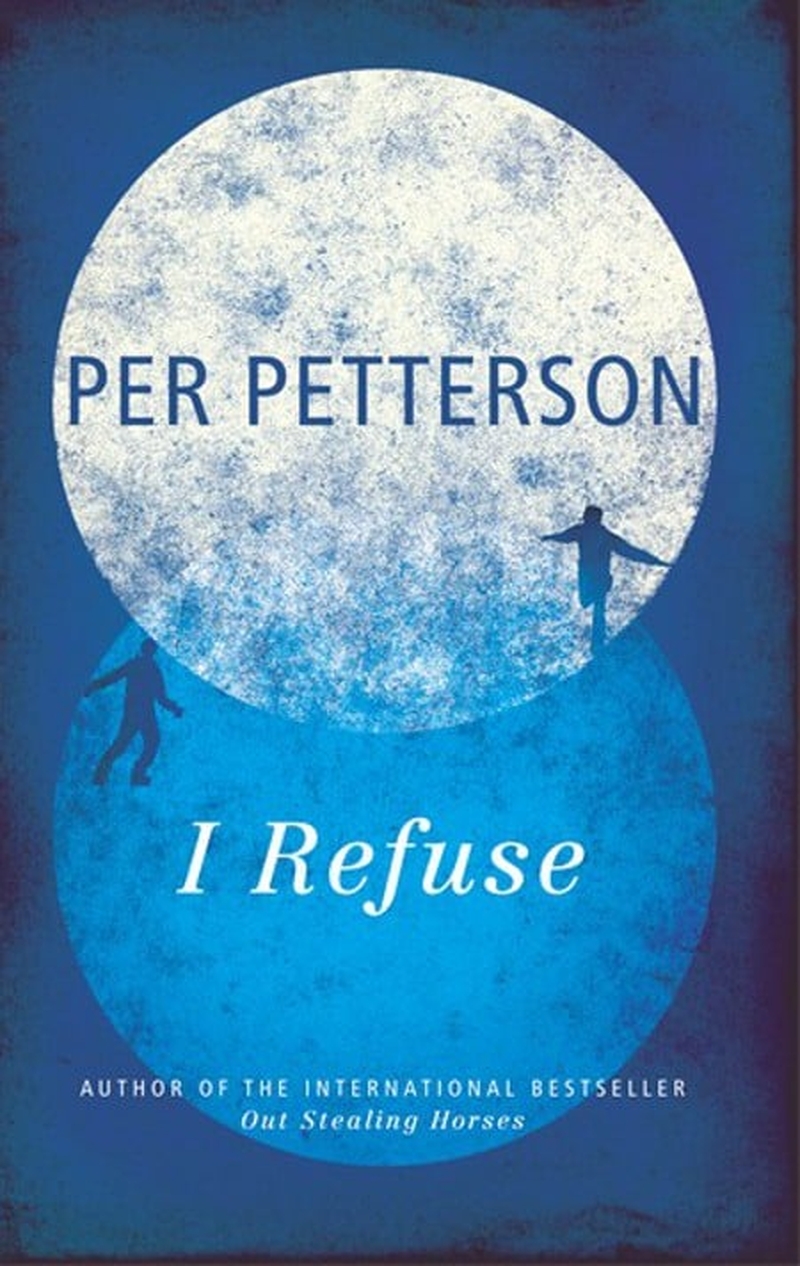
The novel was translated into 49 languages and Time magazine named it one of the Top 10 Fiction Books of 2007. Petterson's new novel, I Refuse, translated by Don Bartlett, deals with similar trouble at the (Scandinavian) mill and was first published in the author's native Norwegian in 2012.
Ever since he won the IMPAC, Petterson has remained an author to be reckoned with, as each succeeding book - and indeed works which pre-dated the prize - appear in English.
Out Stealing Horses made a global impact, winning not only the IMPAC but also the Independent Foreign Fiction Prize. In Out Stealing Horses, a 67-year old man is haunted by traumatic events from his childhood.
Other Petterson novels, such as I Curse the River of Time and It’s Fine By Me deal with men who have been similarly blighted by events that unsettle their brittle existences as they try to lead their chaotic lives.
The early short work, Ashes in My Mouth, Sand in My Shoes is a fine evocation of a Norwegian boyhood, seen through the eyes of his young protagonist, Arvid. It is less adventurous in scope than succeeding tales, although it has an innocence that is lost in those later novels.
Pettersons’ protagonists are like men trying to stand on a spinning ball, attempting to hold on to sanity and present a normal face to the world. In the meantime, cigarettes and strong drink may help ease the pain.
The writer brings his sympathetic probe to his subjects, and lays them out under a bright Nordic light. His fellow Scandinavian Ingmar Bergman dealt in similar terrain in many of his confrontational films. However, it is fair to say that the great Swedish film-maker's interest lay primarily in the psychic terror of the Swedish professional classes, be they psychiatrist or learned professor.
Petterson is more interested in marginalised Norwegians, guys who grow up in tough circumstances, often without fathers, working paper rounds, or in saw mills, dealing with financial hardship and serious family distress.
I Refuse charts the close friendship between two boys named Tommy and Jim who grow up in a small village in Southern Norway. The story leaps back and forth, from 2006 - when they meet once again as adults - to the years 1966, 1967 and 1970.
When Tommy was a boy, his mother suddenly departed. leaving her four children in the care of their violent father, the local garbage collector. Following a violent attack on him by an enraged Tommy, his father also left in due course, and the children ended up living with different foster parents. Tommy’s friend Jim seems at first to live in better circumstances, with his devoutly Christian mother. But once again, the absent father becomes an issue.
Petterson takes these two family threads and weaves them into an infinitely compelling story that plays delicately and skillfully with the inherent pathos of the narrative, never yielding to over-sentimentality. Edgy and original, Petterson always makes the reader wonder where will he go with his dark Norwegian sagas.
Paddy Kehoe