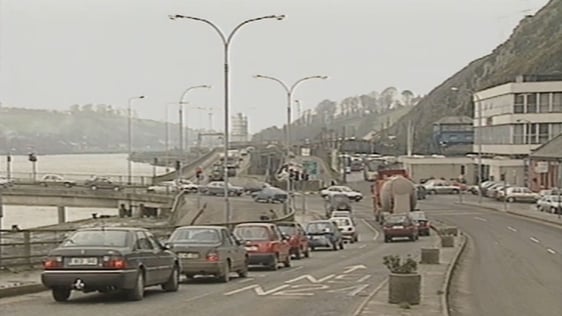
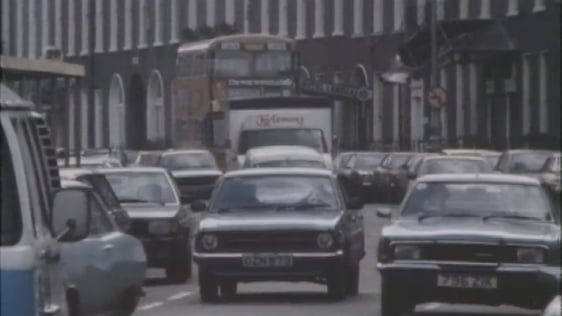
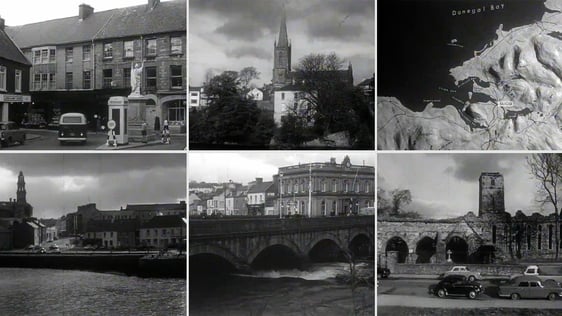
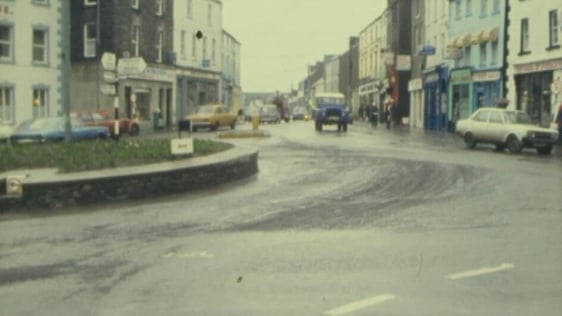
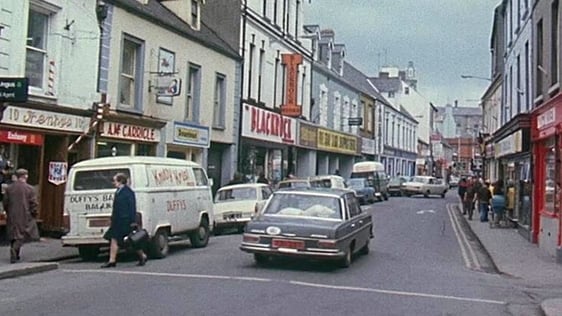
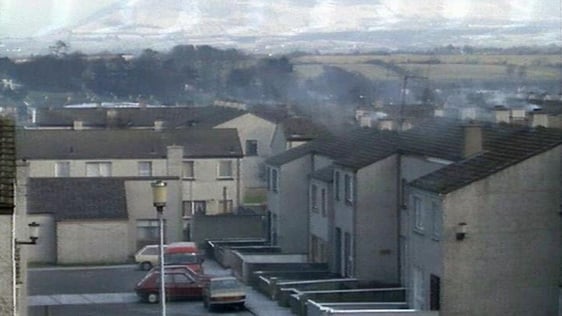
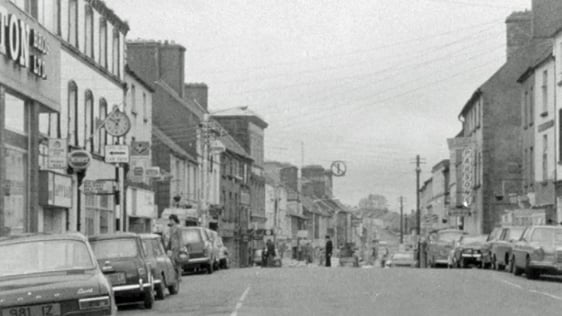
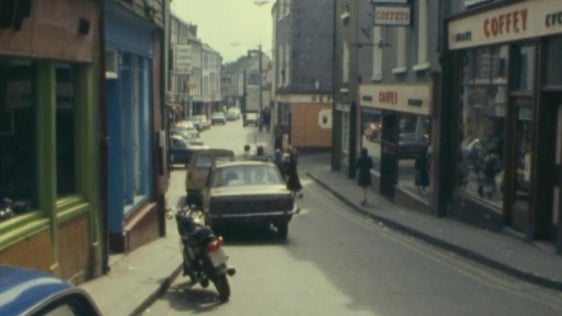
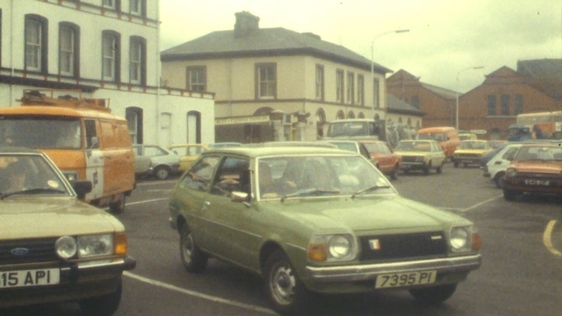
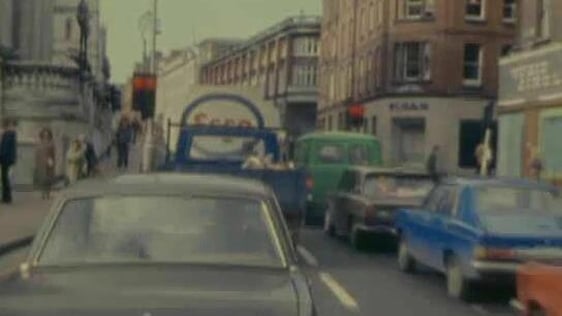
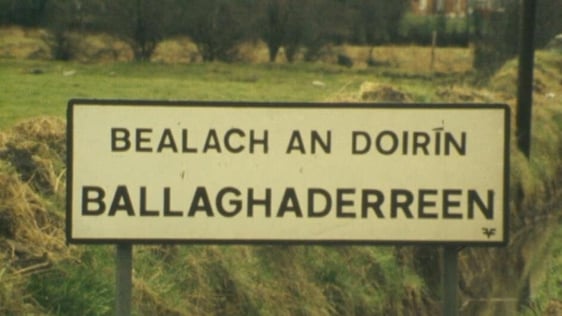
Traffic in Sligo presents a major threat to the prosperity of the town.
In 1972 Sligo had a population of 14,000. The government advised the local authority to plan for a population of 35,000 by 1991. The prediction is proving accurate and a consequence of the growth is an increase in the town's traffic problems.
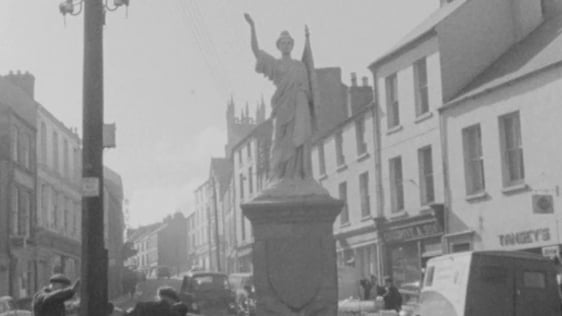
Built on the Garvoge River, Sligo dates back to the 12th century. The town layout is not designed for 20th century industrial, commercial and private vehicles.
Sligo often experiences gridlock during rush hours and in the summer when there is additional tourist traffic.
The traffic jams are the price of progress.
The traffic congestion in Sligo is increasing costs and threatening jobs. The traffic problem is diverting shoppers and tourists away from Sligo, causing a loss of revenue for the local economy.
The traffic also causes environmental damage and creates difficulties for ambulance and fire services.
The Sligo traffic issue will only be resolved with the construction of a third bridge and related access roads. This bridge is not due for completion until the late 1980s.
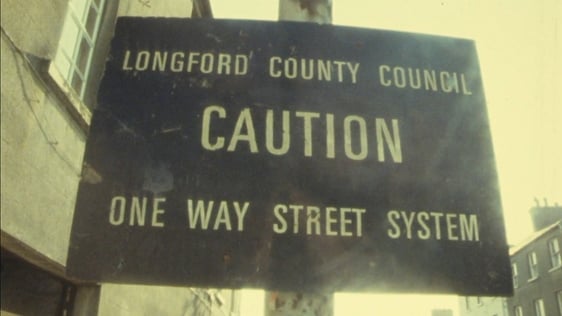
In the meantime, Sligo Chamber of Commerce has undertaken an initiative to generate short-term solutions to the traffic chaos, using the existing street network.
A special working party chaired by Jim Somers has studied the traffic situation and has published its findings in a report. The working party proposes its recommendations be implemented for a three month trial period.
An RTÉ News report broadcast on 4 March 1985. The reporter is Tommie Gorman.