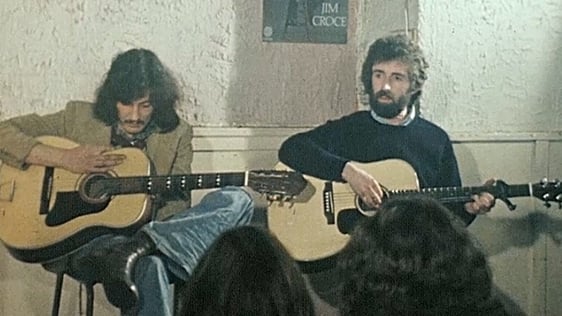
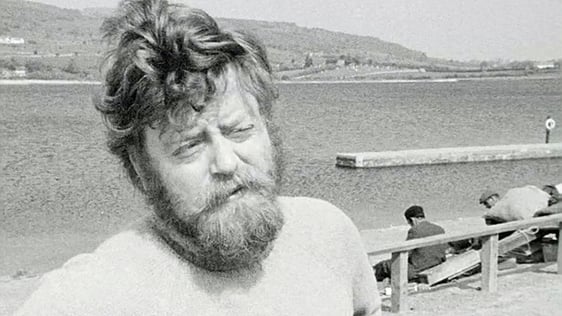
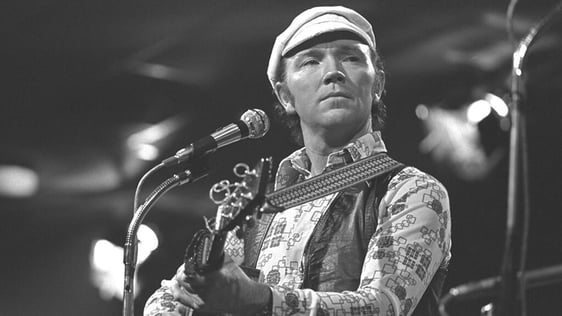
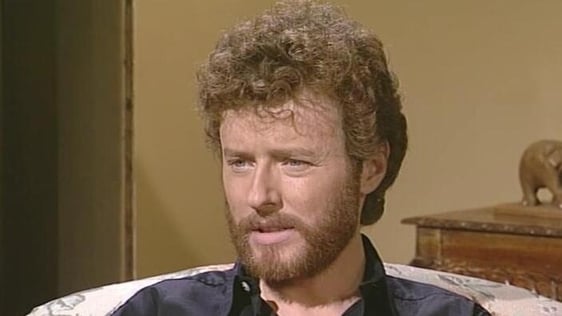
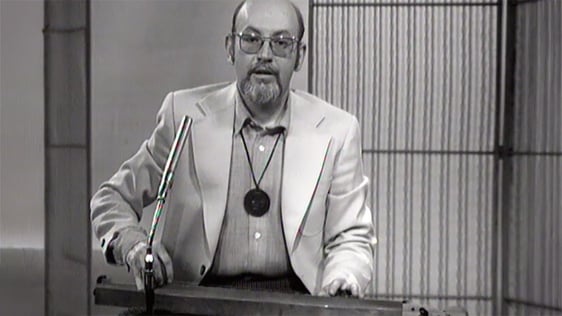
American folk singer Bill Williams on the variants of 'The Two Sisters' a traditional murder ballad.
According to folk-singer Bill Williams a characteristic of ballads is that the words may change, but the melodies do not. To a certain extent folk music is similar to the party game in which a message is distorted by being passed around in a whisper.
Ballads were learned by work of mouth, they were never in print. Variations creep into ballads in the oral tradition for the same reason as in the party game, misunderstanding of what is heard, forgetfulness and even creative addition.
To illustrate his argument Bill Williams looks at four versions of the 'The Two Sisters' a murder ballad associated with Scotland. In most versions of the tale, one sister kills the other over a man.
Bill Williams thinks the oldest version of 'The Two Sisters' is the most gruesome. A harper or musician comes across the body of the dead sister. Parts of her dead body, hair and bones, are used to make a musical instrument, a harp or a fiddle. When the instrument is taken before the girl's father, the king, it sings magically without being touched, telling the tale of the girl's murder.
Now almost all of the versions of 'The Two Sisters' have lost this magical aspect of the ballad by the nineteenth century.
Fragments of this version survives. One of the stranger versions 'The Wind and the Rain' was collected by some of Bill Williams friends in the valley of Virginia.
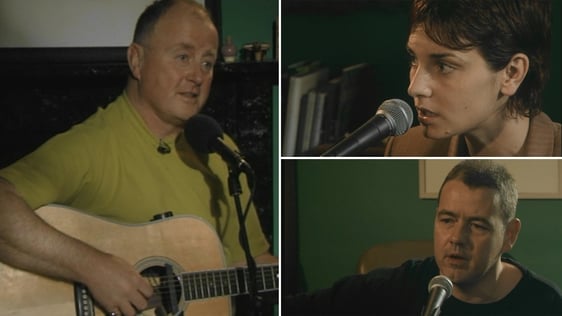
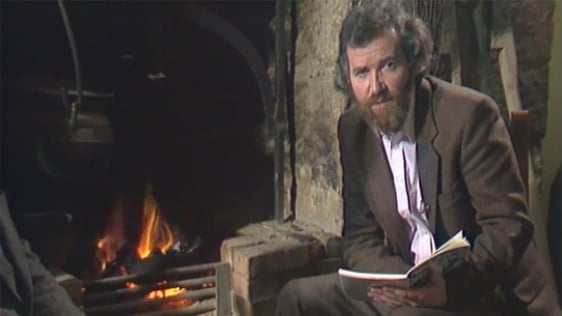
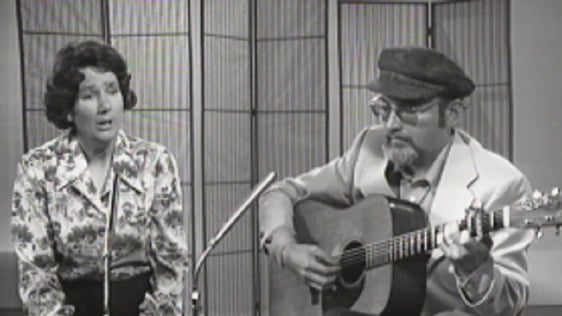
This episode of 'Make Music' was broadcast on 11 March 1976. The presenter is Bill Williams.
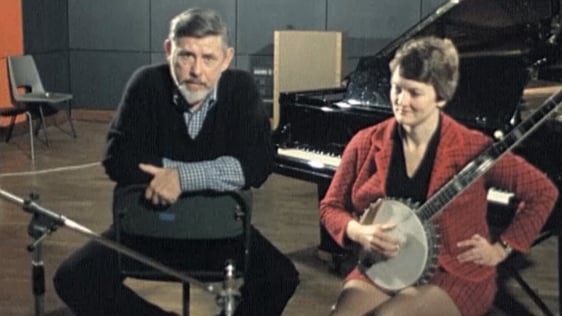
'Make Music' was a four-part series about the ballad traditions of the world. This was presented by American folk-singer Bill Williams, who was also a history professor. He was joined by singer Fionnuala Mac Lochlainn. The first ballad programme was broadcast on 19 February 1976 and it finished on 11 March 1976.