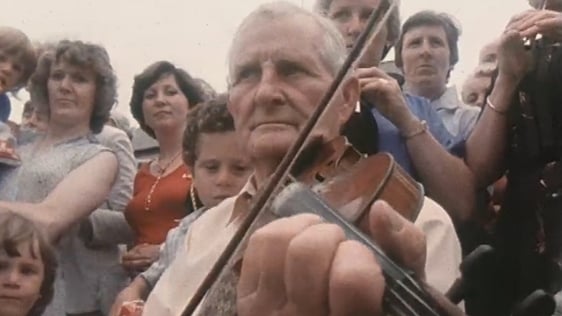
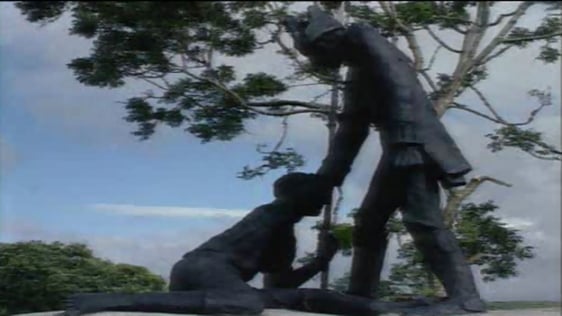
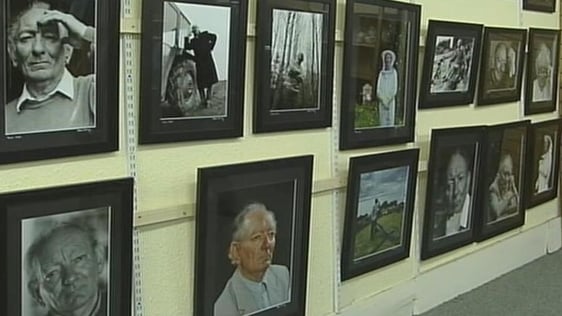
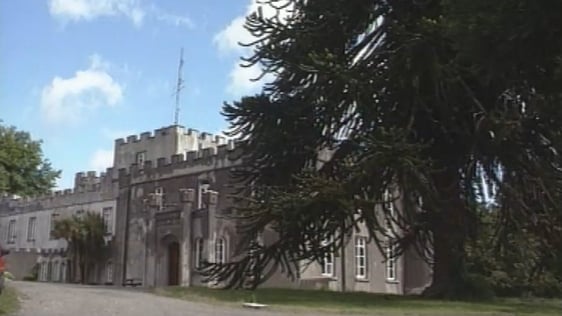
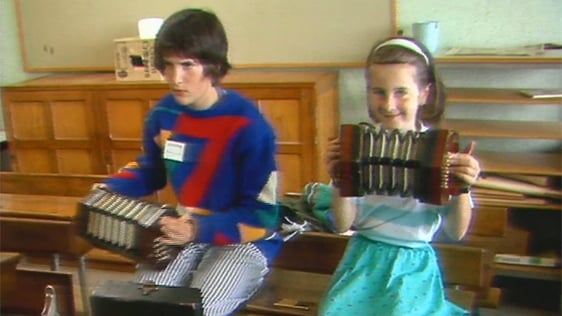
Glenties summer school honours Patrick MacGill and looks at the social conditions that made the writer.
This is the third year of the Patrick MacGill Summer School in Glenties celebrating the Donegal writer. The navvy poet Patrick MacGill was born in 1889 in Glenties.
His parents, like their neighbours, were dirt poor.
The eldest of 11 children. He walked barefoot to national school in Mullanmore, and at the age of 12 left education and began working for a farmer in Tyrone. Aged 14, he left for Scotland to work as a tattie howker picking potatoes. All of these early experiences provided inspiration for his most powerful writings.
I kept mucking about on farms and other places working a day here and a week there earning a guinea clear in one job and spending it while looking for the next.
Patrick MacGill often spent days in search of work sleeping in hay sheds, barns and ditches. His memoir-novel 'Children of The Dead End' expresses an anger at the exploitation of his fellow workers and the stranglehold the church held over the Ireland he had left behind.
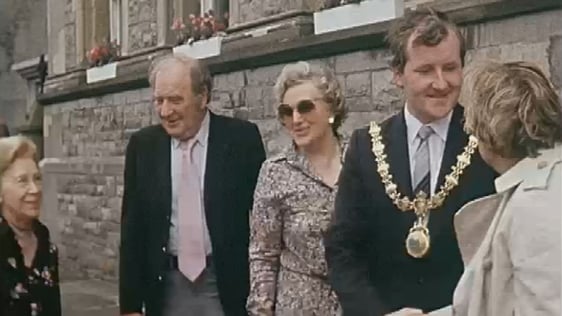
This year in Glenties, the local people witnessed a change in the attitude of the church to Patrick MacGill. The MacGill Summer School was officially opened by the Bishop of Raphoe Dr Hegarty.
Mary Clare O'Donnell, a niece of Patrick MacGill, was at the ceremony and thought her uncle would chuckle at the thought of the bishop opening a festival in his honour.
Changed times from seventy years ago when they disapproved of him.
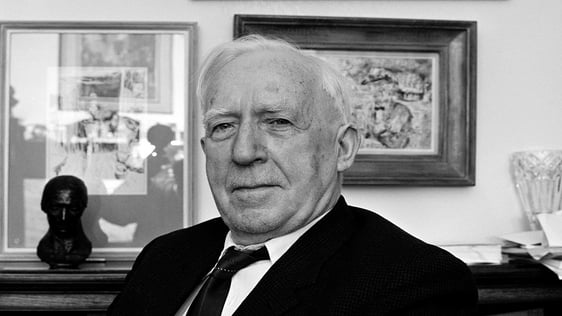
The MacGill Summer School, is a celebration of the work of Patrick MacGill. Joe Mulholland, director of the event, says that the festival wants to examine how the social and economic conditions influence The work of Patrick MacGill.
Joe Mulholland describes the writer as a man of his time and says his work is a great social document. Patrick MacGill called out landlordism, the native merchant class, and the church as the three main causes of economic and social inequality.
An RTÉ News report broadcast on 8 September 1983. The reporter is Tommie Gorman.