


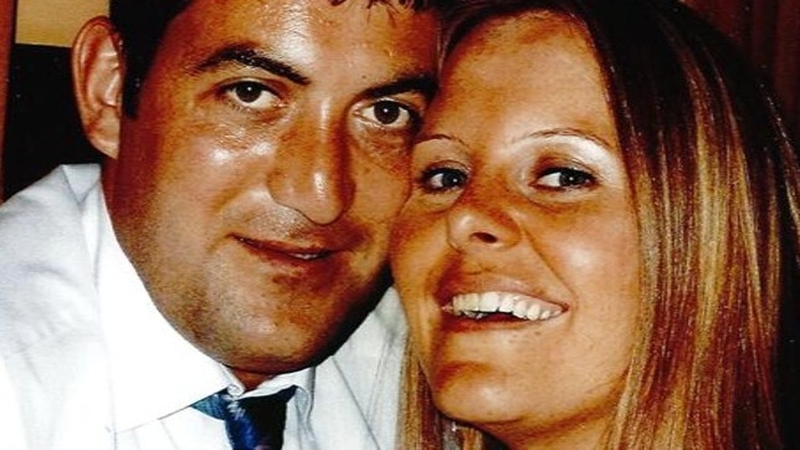
The jury at the inquest into the death of mother-of-four Sally Rowlette has returned a unanimous verdict of medical misadventure.
The 36-year-old suffered a massive stroke after giving birth in Sligo General Hospital in February 2013.
The jury of five men and four women deliberated for over two hours before returning a verdict of medical misadventure.
They issued a number of key recommendations to prevent such tragedies in the future.
The recommendations include counselling of women with a medical history of HELLP Syndrome and advising them with regard to future pregnancies and the risks involved.
The jury also recommended that the management of such incidents includes a senior consultant in attendance to advise, direct and monitor all procedures until the incident is resolved.
In the event of a tragedy, an in-depth review should be discussed and examined with all the personnel directly involved and all relevant personnel in the hospital department concerned.
The jury also highlighted the need for proper liaison with the families affected and careful monitoring in the event of blood pressure rising.
Speaking after the verdict was announced, Ms Rowlette's husband, Sean, said the family got their answers today after two years of waiting.
He said he wants the recommendations examined and used in the future, saying it would hopefully save the lives of other women.
Mr Rowlette said: "Our family's been turned upside down by what's happened here.
"The kids keep me busy, but the kids go to bed at night, you turn the key in that door and you're sitting there on your own."
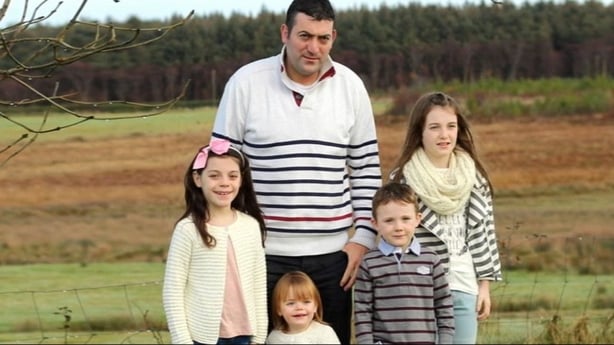
He added: "It's heartbreaking. It's not easy."
Earlier, the former Master of the National Maternity Hospital said Ms Rowlette's death was an absolute tragedy for her family and the staff at Sligo General Hospital.
Consultant Obstetrician/Gynaecologist Dr Peter Boylan said Ms Rowlette was failed by clinical and systemic deficiencies.
He said the mother-of-four represented a medical emergency when she was admitted to the labour ward on 4 February 2013.
Speaking on the third day of the inquest, Dr Boylan said urgent intervention was needed to control her high blood pressure and there was a delay in the management of her HELLP Syndrome condition.
HELLP Syndrome is a severe form of pre-eclampsia.
Ms Rowlette suffered a massive brain haemorrhage and died the day after giving birth.
Dr Boylan said she had developed a very aggressive, acute onset hypertension.
The inquest heard that it was over 40 minutes before she received blood pressure medication upon admission.
Dr Boylan said she should have been treated like someone who was having a seizure "before your eyes".
Ms Rowlette was transferred to the intensive care unit after the birth of her baby daughter to have her continued high pressure monitored.
The inquest heard that within hours she developed a "devastating intracranial bleed".
The inquest heard that there were no consultants in ICU for over four hours apart from a visit by obstetrician Dr Heather Langan at 4.30am.
Dr Boylan agreed it was very disappointing that there was not a consultant by Ms Rowlette's bedside continually monitoring her.
He went on to say it was an error of clinical judgement to leave a two-week interval between ante-natal visits when Ms Rowlette was showing signs of developing hypertension in late pregnancy.
He agreed that he would have induced Ms Rowlette before she went full term given her history.
Ms Rowlette had developed HELLP Syndrome on her second pregnancy.
Summing up, Dr Boylan said the over-reliance on locum doctors who may not understand the system is part of a wider problem in the health service.
He said the recruitment and replenishment of a high-quality service is facing shortcomings in every area, including emergency medicine, obstetrics and ICU.
