


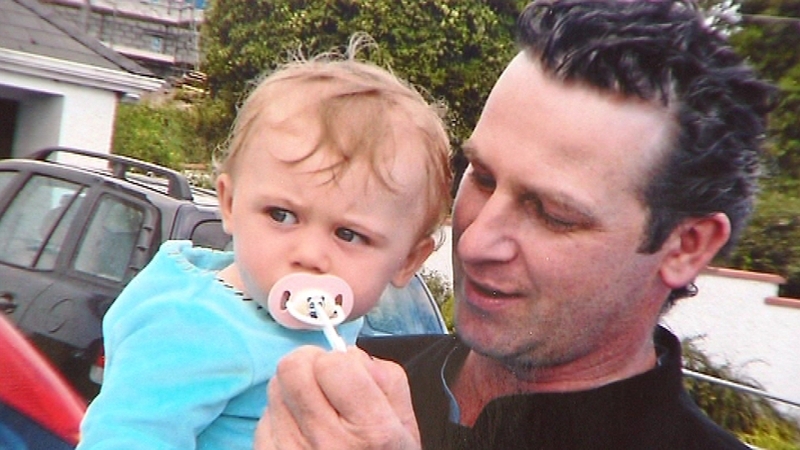
A woman whose husband took his own life after he killed their two daughters has called for changes in the way mental health patients are treated.
Una Butler from Ballycotton in Co Cork wants mandatory risk assessments to be conducted on the families and children of mental health patients.
She also wants the Mental Health Act to be changed to require medical personnel to involve the partners and families of mental health patients in their treatment.
In November 2010, John Butler killed six-year-old Zoe and two-year-old Ella at their home, before killing himself in his car a short distance away.
Mr Butler had been suffering from depression, for which he had received psychiatric treatment.
The 2001 Mental Health Act governs the treatment of patients with mental illness and the legislation is currently being reviewed.
An expert group appointed to review the Mental Health Act is due to issue its report by March of next year.
Minister of State with responsibility for mental health Kathleen Lynch said she has asked the expert group to examine calls by Ms Butler for changes to the law.
Speaking on RTÉ's Morning Ireland, Ms Lynch said she has forwarded all correspondence from Ms Butler to the expert group and to the Mental Health Commission.
The minister said she has met Ms Butler twice and was impressed by her obvious strength and determination that others will not suffer in the way she did.
She said she was not certain that you can put into law how clinicians treat people that come to them, and that it was a difficult area that may have to be dealt with by way of guidelines.
However, she pledged to listen to the recommendations of the expert group.
Experts warns against legal requirement
A legal expert has warned there are risks associated with the introduction of any legal requirement for doctors to share information given to them by a patient suffering from a mental illness, with the patient's family.
Speaking on RTÉ's Six-One, Barrister Simon Mills said that doctors are already entitled to share information told to them by a patient if they believe that that person poses a risk or threat to another, but that there was no obligation on them to do so.
"I think the family need to recognise the dilemma. If a person approaches a doctor concerned that anything they tell a doctor either may be disclosed, or perhaps, more disturbingly, a doctor would be under an obligation to disclose it, you're then in a situation where patients won't tell doctors things they might otherwise have told them." Dr Mills said.
"You may then create the ironic situation where out of concern to protect a patient from committing suicide or from harming another individual, by allowing disclosure to third parties, the fact that knowing that disclosure may occur might prevent a patient telling a doctor something they would otherwise have told them."
Helplines
HSE and Console 24-hour helpline: 1800-201-890
Aware: 1890-303-302 (Mon-Sun 10am-10pm)
