


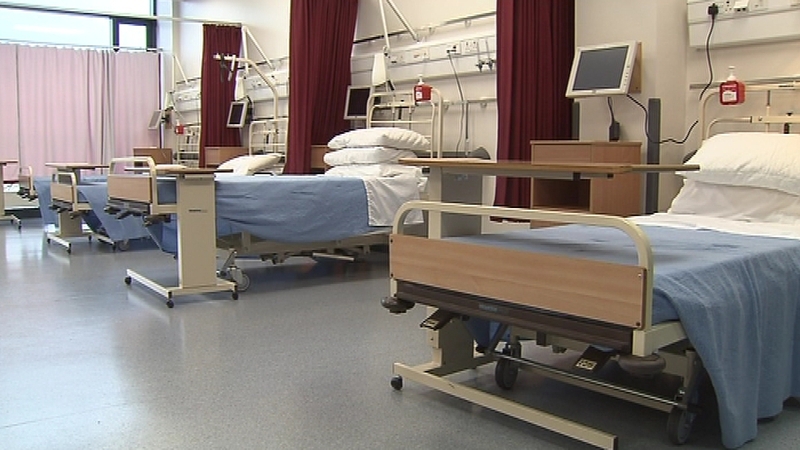
There were 492 patients waiting for a bed in hospital emergency departments this morning, down from yesterday's record high of 569, according to figures compiled by the Irish Nurses and Midwives' Organisation.
The worst affected hospitals are Beaumont and Tallaght hospitals in Dublin, which had 35 and 34 patients waiting respectively.
Cork University Hospital had 34 patients waiting and the Mid-Western Regional Hospital in Limerick had 33.
It has also been reported that some patients are having to wait on chairs, rather than trolleys, pending admission to a hospital bed.
A spokesperson for Beaumont Hospital said that having patients waiting on chairs was not a new development and that some patients do not need to be on a trolley.
The Health Service Executive is due to release its figures on the overcrowding crisis after it gathers statistics at 2pm today.
Meanwhile, the Irish Association of Emergency Medicine has said the overcrowding in emergency departments is putting patient safety at risk throughout the whole health system.
Mr John McInerney, secretary of the IAEM and a consultant at the Mater Hospital in Dublin, said overcrowding was potentially a matter of life and death for patients, as well as compromising their dignity.
He said that contrary to the line taken by the HSE, patients with seasonal flu have not contributed significantly to the current crisis.
Mr McInerney said much of the current problem arose from having over 1,500 acute hospital beds closed.
Crisis is 'appalling' - Reilly
Fine Gael’s Health Spokesman James Reilly has described as ‘appalling’ the number of patients on trolleys in hospital emergency departments because of overcrowding.
Yesterday, the Department of Health said hospitals had re-opened closed beds after 569 people were reported to be waiting in emergency departments across the country.
Speaking on RTÉ Radio, Mr Reilly said Health Minister Mary Harney should look to nursing home facilities in urban areas to make more beds available.
Deputy Reilly said the moratorium on hiring staff in the health service and the cuts on frontline services had made the trolleys crisis ‘inevitable’.
