


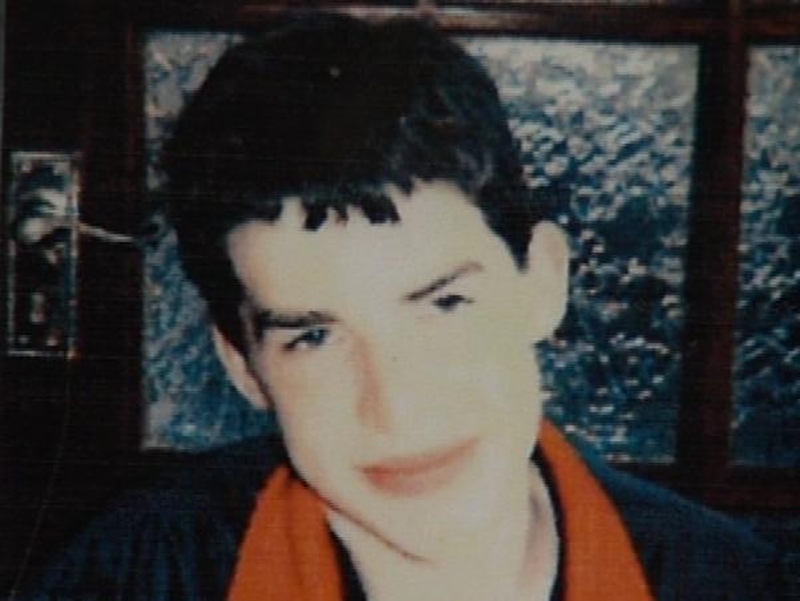
A Co Louth couple, who sought to overturn an inquest verdict into the death of their son just over ten years ago, have lost their High Court Case.
In judicial review proceedings Bernard and Viola Bingham from Blackrock in Co Louth had claimed that the verdict was based on inaccurate and fabricated medical evidence.
Mr Justice Hedigan ruled there was no basis to their claims and said the allegations were ‘wild and irresponsible’. However he said he would not award costs against the couple because of the distressing nature of the case.
Mr and Mrs Bingham's son Mirek, who had a neurological disorder, died aged 16 after undergoing a procedure at the Mater Hospital in Dublin.
His death was recorded as having been caused by epileptic seizures due to an underlying neurological disorder.
However, his parents claimed his death was caused by delayed diagnosis and treatment and sought to have the coroner's verdict quashed.
They took judicial review proceedings on nine grounds including that the coroner Brian Farrell failed to investigate all the evidence and failed call appropriate witnesses. They said the verdict was based on unreliable, inconclusive and fabricated evidence.
The coroner denied each of the claims and said the Binghams were effectively seeking an appeal and trying to reopen the inquest.
Mr Justice Hedigan said there was ample evidence before the coroner upon which he could base his verdict and his verdict was based squarely on that evidence.
He said allegations made against Professor Michael Farrell, who gave evidence to the inquest, were devoid of any substance whatsoever. He said they were wild and irresponsible allegations and were grounded on nothing other than a mistaken view.
It was not for the court to decide on the medical evidence, he said, that was the role of the coroner. He said the Binghams were fully and capably represented at the inquest and made no objection at that time.
Afterwards, Bernard and Viola Bingham said they would appeal the judgment to the Supreme Court.
Mr Justice Hedigan did not award costs against the couple. He said the case was too distressing for all and it was one of those rare cases where although they lost their case he would not make an order for costs against them.
