


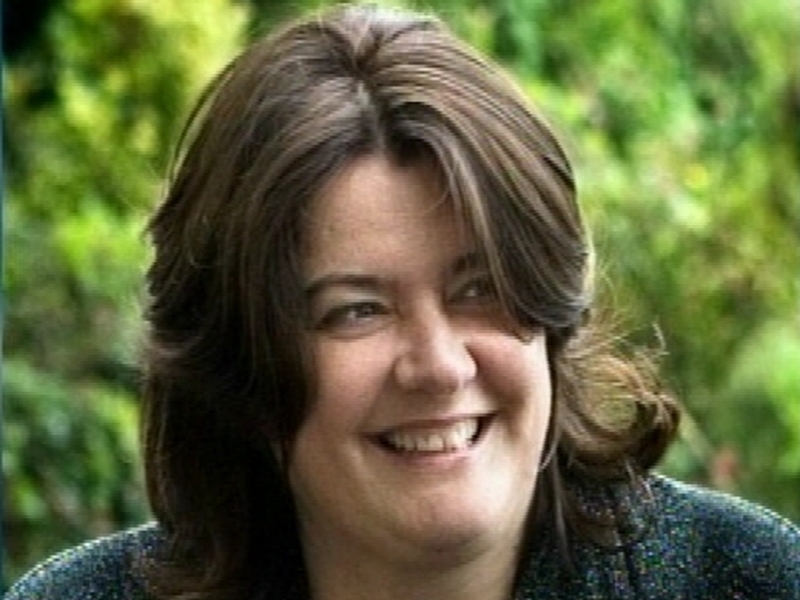
The jury in the trial of Eamonn Lillis has been told it must decide what happened in his home and that of his wife Celine Cawley when she died coldly, analytically and dispassionately.
Eamonn Lillis is pleading not guilty to the murder of his wife at their home on Windgate Road in Howth on 15 December 2008.
This afternoon, the trial judge, Mr Justice Barry White, reviewed evidence in the case and outlined to the jury its obligations.
Mr Justice White told the jury it must decide if the death of Celine Cawley was murder or unlawful killing in circumstances where excessive force was used whether in self defence, or as a result of provocation.
He said the jury must also consider recklessness on the part of the accused.
The trial judge also told the jury that if it believes Mr Lillis had no hand act or part in the death of his wife, he is entitled to an acquittal.
Mr Justice White said human emotions must be left outside the door of the jury room.
He recommended that jurors should engage in role reversal, put themselves in the shoes of the accused and ask how they would feel if convicted on the basis of the evidence, he said if they feel justice would have been served then the state has proved its case beyond reasonable doubt.
He said it is a matter for the jury how they view Mr Lillis and his ability to tell lies. He said that he had further embellished a lie about an intruder when he rang gardaí the day after his wife's death to say that he had blacked out and chased the intruder down the garden.
He said Mr Lillis continued to do so for sometime during Garda interviews.
Referring to a note found in Mr Lillis' room, the trial judge said the jury should consider if it had a more sinister meaning than the outline for a programme idea which Mr Lillis said he had.
In particular, Justice White referred to the final line, which read 'you are running out of time'.
Mr Justice White will continue his charge in the morning.
Closing speeches
Earlier, SC for the Prosecution Mary Ellen Ring said the jury of six women and six men are the sole judges of the facts of the trial to date.
'The obligation remains on the prosecution to prove the case beyond reasonable doubt,’ she said.
Ms Ring said the evidence given in the case from both professional and non-professional witnesses must be given the same weight.
She told the jury that it must consider the issue of intention, adding that it also must remember that remorse does not undo intent. She said non-lawful killing is not murder unless there is intent.
Concluding, she said Eamonn Lillis was not a man who went berserk.
She said he was rather a man presented with an opportunity and acted upon it causing the death of Celine Cawley.
Defence Counsel Brendan Grehan said that all the evidence suggests Mr Lillis is not someone capable of an opportunistic murder.
Mr Grehan said the evidence suggests there was a row and injuries resulted from it. He said the prosecution has put forward no alternative to what happened.
Mr Grehan said an objective evaluation of the prosecution case is what the jury must do, without any pre-conceived notion from infamous trials in the past.
He also said that if the jury finds a lack of intent, then manslaughter not murder is the appropriate verdict.
Mr Grehan also said that if the jury thinks Mr Lillis overreacted because of what was said or done then the appropriate verdict is manslaughter. He asked them to acquit Mr Lillis.
