


The European Parliament has given the go-ahead to the flagship Galileo satellite navigation project, which the EU aims to have up in space by 2013.
In an almost unanimous vote, members of the European Parliament set the legal basis for the system, which has been plagued in the past by delays and infighting among EU nations.
Transport Commissioner Jacques Barrot said the EU's executive arm and the European Space Agency would launch the public tender process by the summer in the hope that the first contracts could be signed before the end of 2008.
The €3.4bn budget will be divided into six segments with contracts for satellites, launchers, computer programmes, ground stations, control stations and the system's operation.
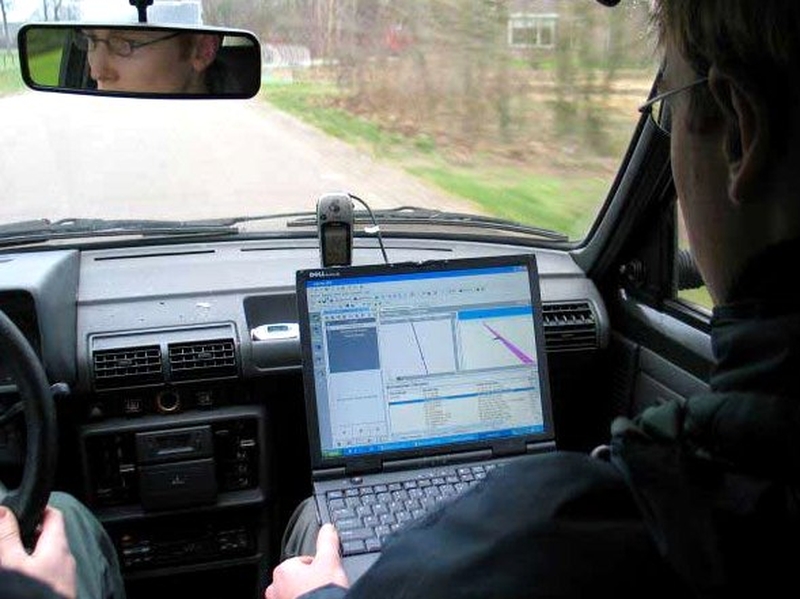
The long-delayed 30-satellite European project is meant to challenge the dominance of the US-built Global Positioning System (GPS), which is widely used in navigation devices in vehicles and ships.
Work on the scheme - already running five years behind the initial schedule - stalled last year as costs spiralled over the budget, private contractors bickered and member states lobbied for their own industrial interests.
