


The Department of Agriculture and the Irish Farmers' Association have reminded poultry-flock owners to remain vigilant and of the need to exercise the highest standards of biosecurity.
This follows the confirmation that the deadly H5N1 strain of birdflu has been found in three dead swans in the UK.
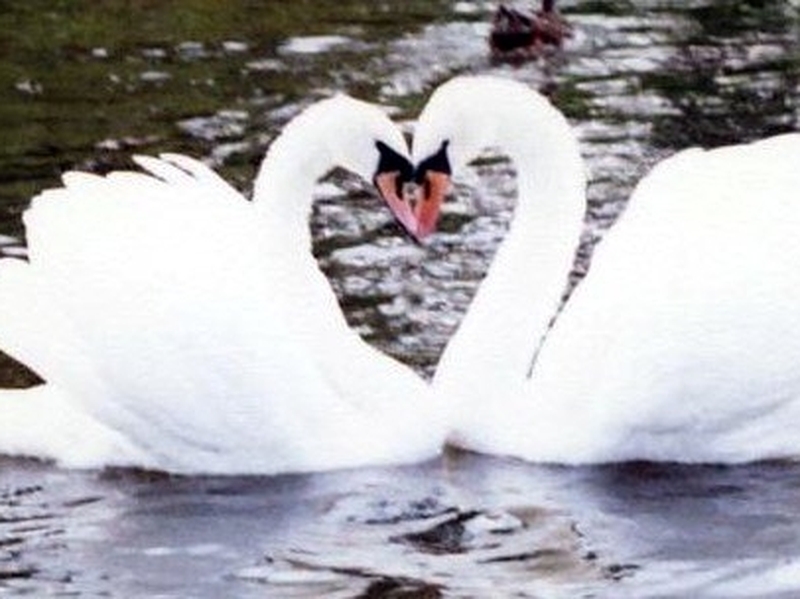
The UK's Department for Environment, Food & Rural Affairs yesterday confirmed avian influenza in the wild mute swans, a common, all-white breed, in Abbotsbury, near Chesil Beach, Dorset.
A surveillance programme is under way to determine whether the virus, which can pass to humans, has infected other wild birds and ducks at the bird sanctuary. So far no disease has been found in domestic birds nearby.
About 800 swans, as well as other birds, feed and breed in the nature reserve's wetlands.
The swannery, which was originally set up in the 11th century by Benedictine monks who regarded swan meat as a delicacy, is a popular visitor attraction.
Britain's first case of the deadly avian flu strain was in a wild swan found dead in Scotland in 2006. There have subsequently been outbreaks at poultry farms in eastern England, most recently last November.
The virulent H5N1 strain has killed more than 200 people worldwide since 2003 and millions of birds have either died from it or been killed to prevent its spread.
France's agriculture ministry today raised the level of risk for bird flu to moderate from low following the discovery in England.
France, Europe's biggest poultry producer, last adjusted its risk levels for birdflu on 12 October after no new cases of the H5N1 virus were detected in wild birds in the country for an extended period.
