Customers are dissatisfied with the telephone service and question the cost of their calls.
The price of a long distance telephone call is not cheap as the units add up fast. The Department of Post and Telegraphs track the number of units used on every telephone call. Each unit costs 8.5 pence. However, when a customer looks at their bill, it does not tell them who or where they rang. The number of units used depends on where the call is made from and to.
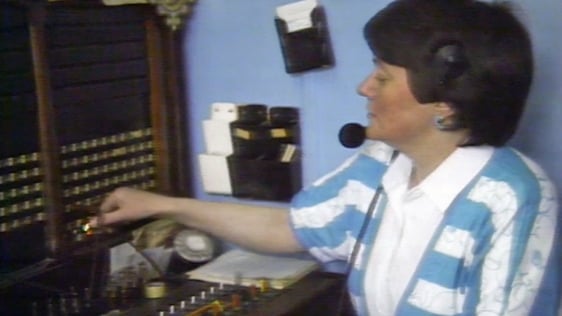
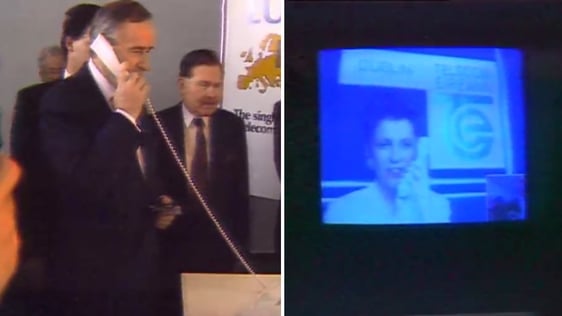
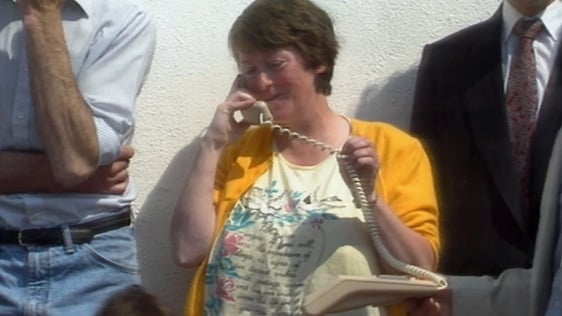
Good morning Australia. Dublin calling here. We're just checking the line.
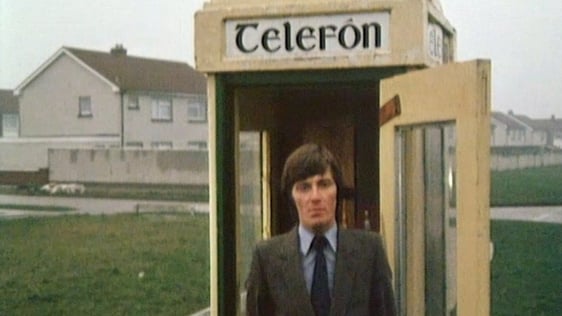
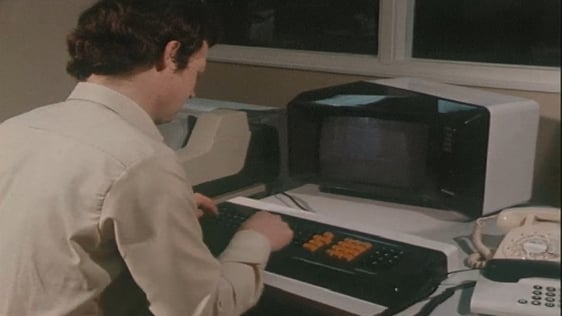
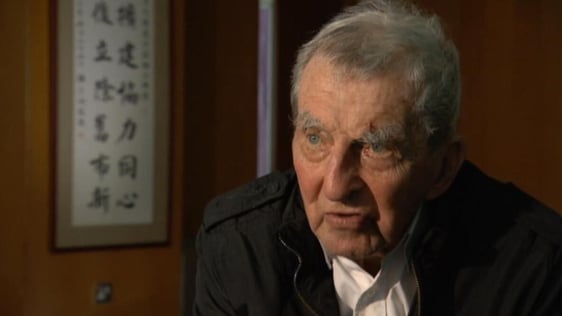
P&T official Alan Corbett explains how telephone charges are calculated and why a customer may receive a very high bill. The calls may have actually been made or there is the possibility that the system made a mistake. In the case of the latter, an investigation will be undertaken by P&T.
Reporter Jacqueline Hayden received a bill for £900. However, following an investigation it was discovered that a clerical error was responsible for the high total.
In 1982, the Department of Post and Telegraphs received 150,000 queries from members of the public about their telephone bills. Alan Corbett points out that call charges have been increasing in line with inflation so people have been receiving larger bills. As inflation rises, people are more conscious of the cost of everything and are more likely to query their bills. In addition, there has been a lot of publicity about errors on telephone bills and as such more customers are questioning what they are being charged. Despite the high number of bill queries, Alan Corbett maintains that the P&T billing system is both sophisticated and reliable.
An RTÉ News report broadcast on 11 January 1983. The reporter is Jacqueline Hayden.