


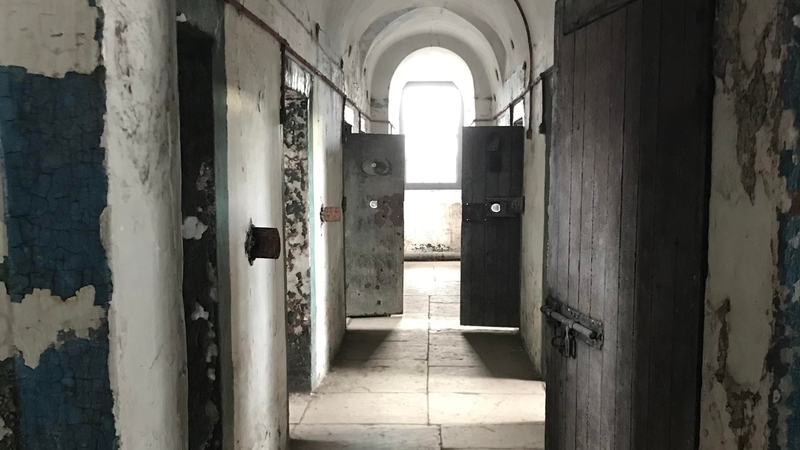
Sligo Gaol first opened its doors to prisoners in 1818 and now 200 years on it is hoped it will one day re-open, but this time to voluntary visitors to hear its fascinating history.
Built at a cost of £22,000, it is the only remaining polygonal shaped gaol to survive in Ireland.
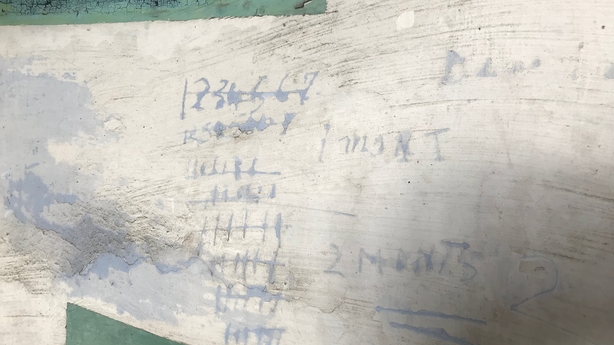
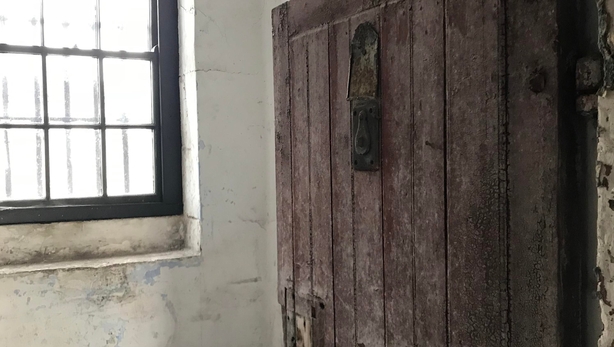
Following its closure in 1956, about half of the building was later knocked down and what remains is a step back in time with the original cells and their doors and graffiti on the walls left by prisoners.
The Friends of Sligo Gaol, a voluntary community group, has been working for a number of years to promote the gaol as an important part of Sligo's heritage and to campaign for its conservation and re-opening to the public.
This weekend they are hosting a conference on Crime and Punishment in 19th and 20th Century Ireland to mark the gaol's bicentenary.
The keynote speech by Dr Gillian O'Brien of Liverpool John Moores University will examine the growing trend of "dark tourism", which could be the perfect fit for the gaol.

Dr O'Brien said dark tourism is any site that people can visit that is associated with death, suffering and misery and there is enormous potential for this type of tourism in Ireland.
She said Sligo Gaol has an authenticity about it as people could walk in the footsteps of the inmates who had spent time there.
Watch:
Nationwide: Sligo Gaol
Another significant anniversary is also being marked this weekend - the centenary of the incarceration of Sligo's most famous prisoner, Michael Collins.
To mark this, a specially commissioned portrait of Collins by local artist Emma Stroude, will be unveiled in the gaol on Sunday by his grandniece Mary Clare O'Malley.
We need your consent to load this rte-player contentWe use rte-player to manage extra content that can set cookies on your device and collect data about your activity. Please review their details and accept them to load the content.Manage Preferences
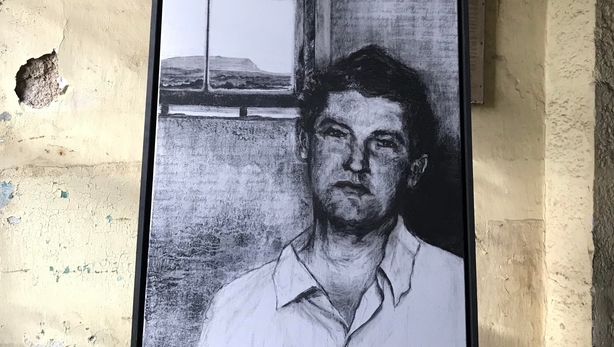
Collins was imprisoned in Sligo in April 1918 after making an anti-conscription speech in Longford.
He spent three weeks there and wrote a prison diary which remarked on the conditions, including the discomfort of his mattress, saying he could not sleep and "must get this wretched mattress changed".
Among other well-known names to spend time in the gaol were Michael Davitt, founder of the Land League, and Jack Doyle known as "the gorgeous gael", Hollywood actor, boxer and tenor.
