


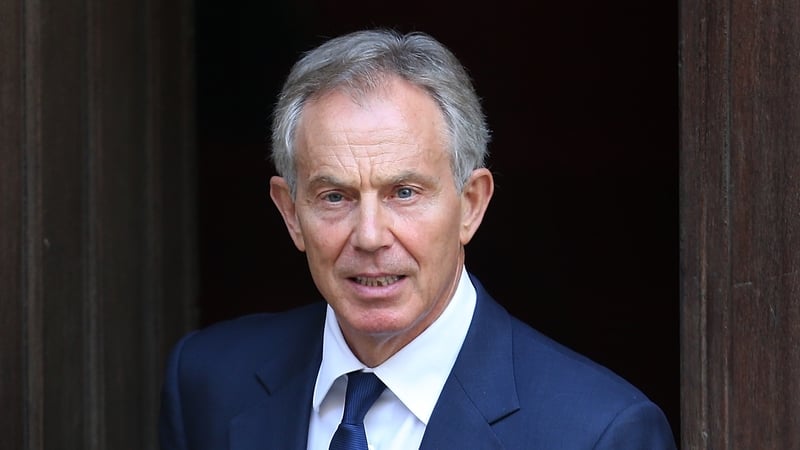
The Chilcot report is expected to share the blame for Britain's role in the Iraq War among a wider circle of ministers and officials than had been thought.
The Guardian said the inquiry, led by John Chilcot, would criticise senior figures beyond Tony Blair and the former prime minister's closest advisers.
Delays in the publication of the report due to the process of "Maxwellisation", which seeks responses from those who face criticism, had been lengthened because of the broad number of those under fire, the paper said.
Among those who could be in focus are Jack Straw, the foreign secretary at the time of the invasion; John Scarlett, chairman of the joint intelligence select committee; Richard Dearlove, then head of MI6; Clare Short, then international development secretary and Geoff Hoon, then defence secretary.
The delay in publication has been a growing source of frustration for families of British soldiers who died as well as Prime Minister David Cameron, who has demanded a timetable for publication be set out "pretty soon".
Mr Chilcot has insisted his inquiry - launched in 2009 - was making "significant progress" but has not set a date for the publication of his findings.
The Guardian said a source close to the inquiry suggested while military decisions after the invasion in 2003 will be called into question, "the bulk of the criticism would be directed less towards the military than others involved".
Meanwhile, Stanley Burton, lord justice of appeal between 2008 and 2012, said the risk of a judicial challenge was "exaggerated", as there was no appeal process by which the courts could rule on specific findings.
