


Local authority figures obtained by RTÉ show just 6% of private rental property across the country were inspected last year.
There are currently around 303,000 rental properties, with just 17,700 of these inspected in 2014.
More than 50% of the accommodation inspected failed to meet minimum standards set out in the housing regulations.
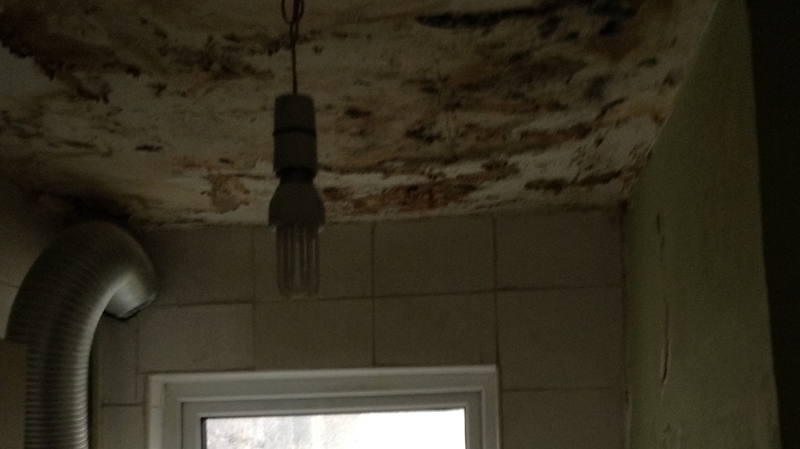
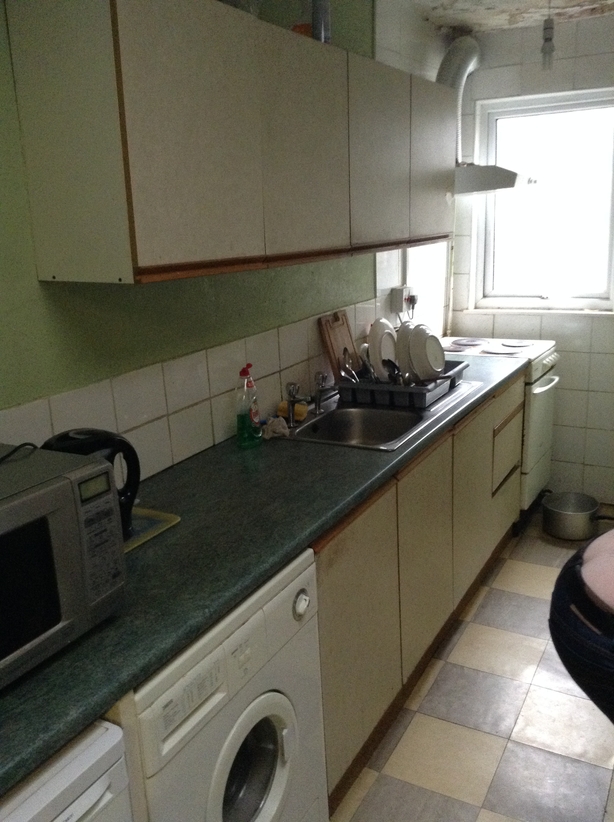
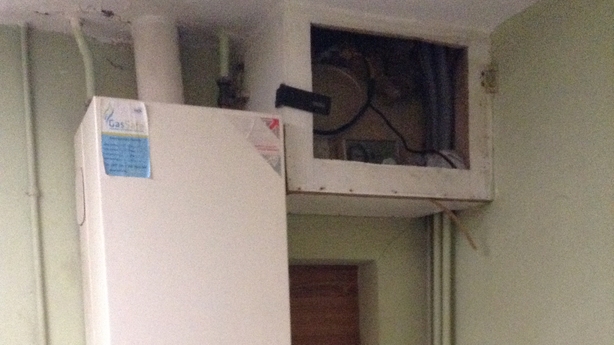 In one example, ‘Paul’ has been living for three years in accommodation that is in a state of disrepair and has been deemed a fire hazard by Dublin City Council.
He said: "Dublin City Council has been out to examine the conditions of the house and the environmental health officer said the housing conditions are atrocious. There is damp, mould, the ceiling is ready to fall in," he says.
"There is water coming down over the light so that's very serious. Dublin City Council was out to inspect that they have the report on that.
 "Any time it goes to rain the first thing you're looking at is the light, it's just a matter of when that's going to go up on fire."
His landlord was given three months to repair the house but that time expired last week and no work has been carried out.
Paul says that if he is forced to vacate his property he will not be able to afford the soaring cost of rent in Dublin.
"My main concern now is that I feel I'm going to be left homeless after this".
"I've never lived in conditions like this even in my student days so as it stands now a middle-class working person is the new homeless," he says.
Local authority figures show that in Dublin 63% of dwellings inspected failed, in Cork city 26% of properties inspected did not meet the standards required, while in Kerry 32% of rented properties inspected failed.
Some of the county councils contacted by RTÉ said they were not in a position to categorise the figures into minor and serious breaches of the regulations.
Dublin city was among the councils that did provide detailed figures, which showed that out of 3,500 inspections, 930 dwellings did not reach regulatory requirements and of these 65 legal actions were initiated.
In Waterford 90% of failures resulted from lack of proper smoke alarms and/or fire blankets, while in 10% of cases there were damp and mould issues.
Out of a total of 387 cases in Roscommon four of the breaches were categorised as “serious” while in Galway and Kilkenny most of the failures were due to minor breaches of regulations.
Housing charity Threshold’s Chief Executive, Bob Jordan, has raised concerns about the low level of inspections.
"There is huge anomalies within these figures... for instance if we take the example of Cavan carrying out 800 inspections compared with Galway City Council, which really is one of the centres of the private rented sector, and they’re carrying out less than 150.
"So there's a real issue about the number of inspections that are been carried out”.
"I think the other issue is around the quality of these inspections. The fact that Donegal carried out just under 600 inspections and found no properties to be substandard, Tipperary - 200 again found nothing.
"Nobody believes there is no sub-standard properties in those counties so there's a real question about what they're actually going out and looking at," he said.
Mr Jordan is calling for a certification scheme to ensure rented accommodation is up to standard: "I think the issue is this approach where local authorities inspected private rented properties was set up at a time when we had a very small private rented sector.
"Now one in five households live in the private rented sector and clearly local authorities in the main are not up to carrying out these inspections. So what we are saying is that the boot should be put on the other foot," he said.
"The responsibility should be on the landlord to prove that their property is up to scratch before a tenant moves in and that it would be the job of the local authorities that landlords have those certs because with the best will in the world local authorities are not going to get around to every single property."
However, the Residential Landlords Association is against a certification scheme - which it says would create another layer of bureaucracy for landlords.
"We're one of the most highly-regulated rented sectors now in western Europe. We're governed by a wide range of legislation and of course the private rented tenancies board is the overarching supervisory body of the rented sector.
"It's expensive for landlords to comply with regulations it is expensive for them to register with the PRTB as well as all of the other tax obligations they have."
He says the standard of rented accommodation in Ireland is high by international standards.
"I served on two international bodies and we routinely carried out comparative analysis of the standards and regulations applying to rented property in other jurisdictions and there is no question but we have been very high here.
"The figures listed by the local authorities don't surprise me but what is worth bearing in mind is that they include a wide range of issues bearing from the very minor to some quite serious."
"Many things that have been listed for improvement would be like dampness in a room or a fire blanket to be supplied but when told by the local authority to comply landlords are given three months to comply and by in large most of them do," Mr McNamara added.
