


The Canadian government is to ship 800 vials of its experimental ebola vaccine to the World Health Organisation in Geneva.
The WHO will consult with the health authorities in the countries most affected by the virus.
It will decide how the vaccine will be distributed and used.
Meanwhile, US President Barack Obama has urged Americans to avoid hysteria over Ebola.
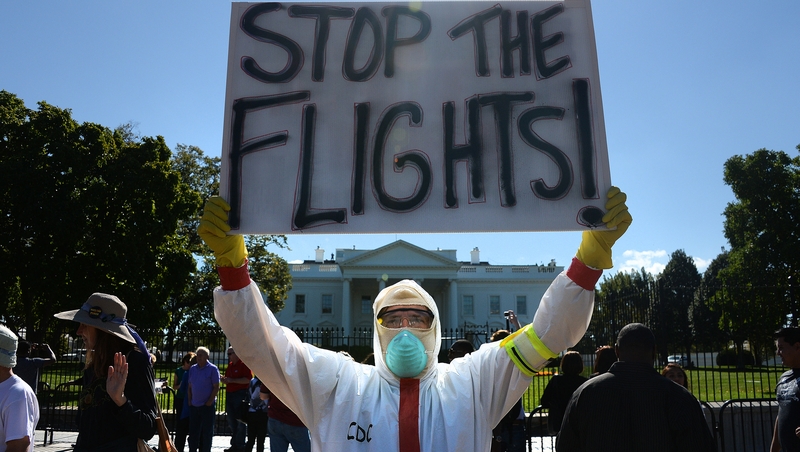
He played down the idea of travel bans from Ebola-ravaged countries in West Africa, explaining that restrictions could make things worse.
Politicians this week urged Mr Obama to bar people from Liberia, Sierra Leone and Guinea from entering the United States.
Mr Obama has said he is not philosophically opposed to travel bans, but in his weekly address made it clear that he is not leaning toward them.
He said it would take time to fight the disease, warning "before this is over, we may see more isolated cases here in America."
But he sought to put the disease in perspective, reminding Americans that only three cases have been diagnosed in the country, and that it is not easily contracted.
"What we're seeing now is not an 'outbreak' or an 'epidemic' of Ebola in America," he said.
"This is a serious disease, but we can't given in to hysteria or fear."
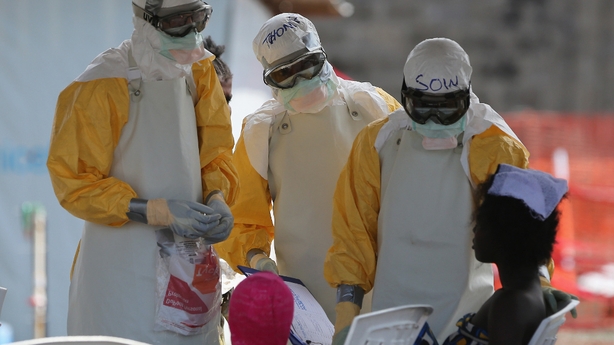 Meanwhile, the World Health Organisation has promised that it would publish a full review of its handling of the Ebola crisis once the outbreak was under control.
The move is in response to a leaked document that appeared to acknowledge it had failed to do enough.
The WHO said in a statement that it would not comment on an internal document cited in an Associated Press story yesterday, saying it was a first draft that had not been fact-checked and was "part of an on-going analysis of our response".
That review will come, but only after this outbreak is over," the organisation said.
The WHO has been widely criticised for its slow response to the epidemic and its early reassurances, despite repeated public warnings from the medical charity Medecins Sans Frontieres, which was leading the fight against the virus on the ground.
Ebola has killed at least 4,546 people in Liberia, Sierra Leone and Guinea, the WHO said yesterday.
However, with at least half the cases going unreported and a 70% fatality rate,by WHO estimates, the true toll is probably more than 12,000.
There is no sign of a slowdown in the outbreak, which was first confirmed in May but not declared to be an international public health emergency by WHO until 8 August.
