


A new report has found unemployed people who took part in a State plan to get them back to work were less likely to find a job than those who sought work by themselves.
People who sought employment on their own were 17% more likely to be successful than those who were referred for a FÁS interview under the National Employment Action Plan.
Under NEAP, people in receipt of Jobseeker's Benefit or Jobseeker's Allowance, and who were three months on the live register were referred to FÁS, for an 'activation' interview to be given job search assistance and possible training opportunities.
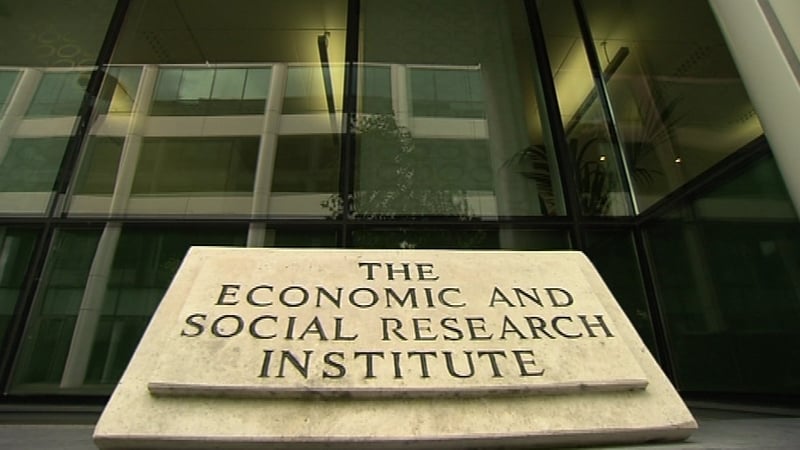
The study by the Economic and Social Research Institute found that the NEAP, in place since the 1990s, did not identify or refer to FÁS a quarter of the people it should have been trying to get off the dole.
The study also found that another 25% were not eligible for a NEAP referral because they had received some form of assistance during a previous spell of unemployment.
Speaking on RTÉ's Morning Ireland, Dr Philip O'Connell of the ESRI said he had been surprised by the findings.
Dr O'Connell has said unlike in other European countries, there was no follow-up of people who had a single interview and no attempt to meet clients regularly to encourage them in efforts to find a job.
In a statement this evening, FÁS said it will be studying the ESRI's report carefully in conjunction with the Department of Social Protection, to ensure that its key findings are understood and taken on board as part of the reforms that are currently underway.
FÁS said in its statement: ‘The report finds that the process of referring individuals for guidance interviews requires re-examination and more intensive job search assistance. It does not find that the interview itself and engagement with FÁS Employment Services reduces an individual's likelihood of gaining employment.’
