


BP Plc marked its first success at containing oil that is gushing unabated into the Gulf of Mexico and said it may be able to stop the flow permanently in about a week.
But reports of huge oil plumes in the Gulf - including one as large as 10 miles(16 km) long, three miles (5 km) wide and 300 feet (91 metres) thick - underscored the spill's environmental impact as the crisis moved into its 24th day.
Crude oil has been gushing unchecked into the sea from a ruptured well about a mile (1.6 km) under the ocean's surface, threatening an ecological and economic calamity along the US Gulf Coast.
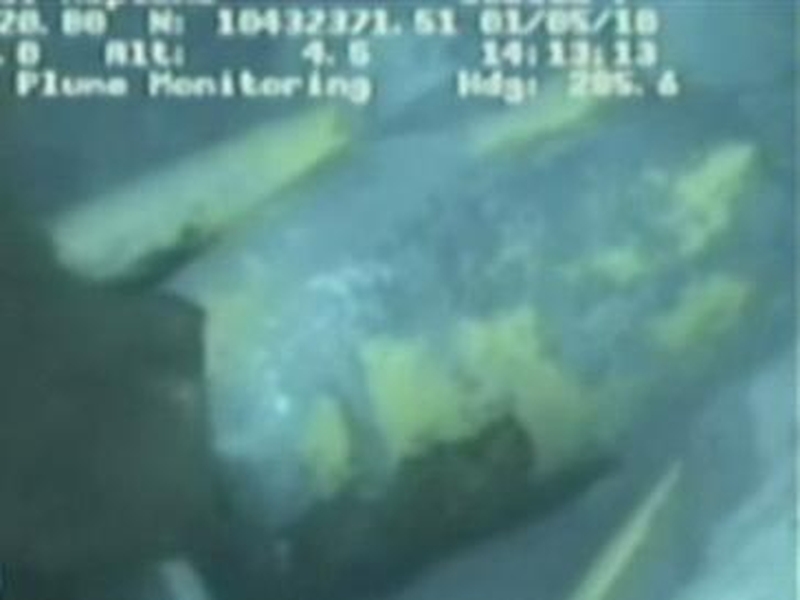
After other attempts to contain the spill failed, BP Plc succeeded in inserting a tube into the leaking well and capturing some oil and gas.
The underwater operation involved guiding robots to insert a small tube into a 21-inch (53-cm) pipe, known as a riser, to funnel the oil to a ship at the surface.
‘It's working as planned and we are very slowly increasing the rate that is coming from the riser tool up to the surface,’ BP senior executive vice president Kent Wells told reporters at BP's US headquarters in Houston.
The spill began after a 20 April explosion on the Deepwater Horizon rig that killed 11 workers. It threatens to eclipse the 1989 Exxon Valdez spill off Alaska as the worst US ecological disaster.
The success today followed a previous setback, when a cord taking the oil to the surface became entangled.
