


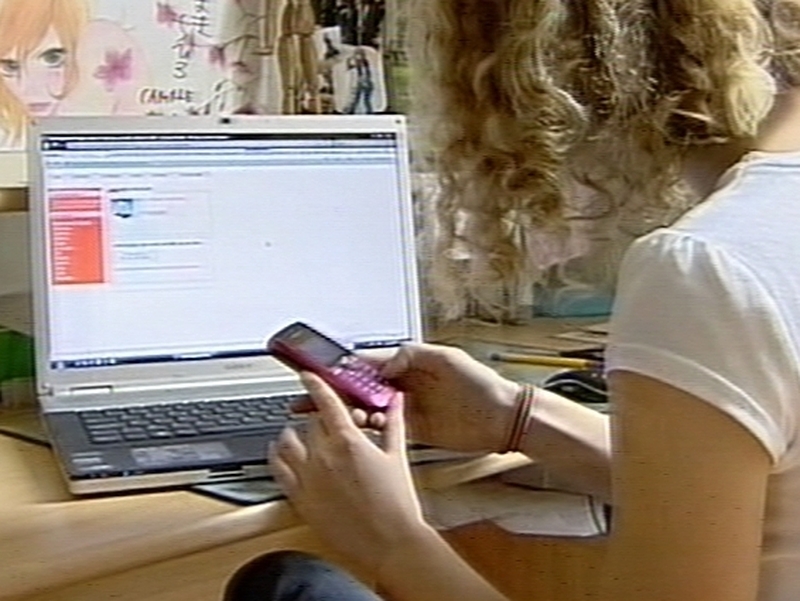
The European Commission has announced a crackdown on websites offering mobile phone content services.
An EC survey of over 500 websites across Europe found that 80% had possible violations of EU consumer protection regulations and required further investigation.
The regulators are expected to report back to EU Consumer Commissioner Meglena Kuneva in the first half of 2009.
The EU-wide effort is part of a new enforcement strategy called 'The Sweep' where member states carry out simultaneous, coordinated checks of webpages for breaches in consumer law in a particular sector.
The initial investigation covered websites providing ringtones, wallpapers, news feeds or videogames worth hundreds of millions of euros and found that most were ‘misleading’ consumers.
‘Far too many people are falling victim to costly surprises from mysterious charges, fees and ringtone subscriptions they learn about for the first time when they see their mobile phone bill,’ Ms Kuneva said.
‘We need to get a clear message out particularly to teenagers and children - be on your guard. It's all about the small print ... make sure you are not signing up for more than you bargained for.’
Failure by companies such as Jamba, jointly owned by News Corp and VeriSign, Vodafone, Aspiro and Wiking Mobile to address the commissioner's concerns could lead to hefty fines or closure of their sites.
The value of ringtone sales in 2007 across EU, Norway and Iceland was estimated to be worth €691m, or about 29% of the overall ‘content’ market for 495m mobile phones.
Among the irregularities found during the probe, carried out in June, were:
- unclear price information where prices were incomplete, did not include taxes, or where customers were unaware that they were signing up to a subscription.
- large numbers of websites did not provide some of the required contact information about the trader.
- ‘hidden charges’ where key information was hidden in very small print or hard to find on a website or the word ‘free’ was used to mislead consumers into a long-term contract.
Britain and the Czech Republic had the highest number of checked websites with 43 sites probed. 40 Czech operators will face further action while 39 British websites were found to have faults.
In 10 other member states - Denmark, Spain, Cyprus, Latvia, Lithuania, Hungary, Malta, Portugal, Finland and Sweden - all websites will also face follow-up action.
