

The Garda Commissioner has said that the force is determined to tackle gangland crime and that drug dealers will not be allowed any room to manoeuvre or flourish.
Commissioner Noel Conroy told delegates to the the annual conference of the Association of Garda Sergeants and Inspectors in Wexford that the number of drug-related shootings and deaths provided ample evidence of the threat cocaine posed to society.
He said that he wanted drug dealers to get the message loud and clear that the gardaí would meet them head on even in very hostile circumstances.
He also said that they were a new threat to be addressed and that the fight against terrorist activity, which absorbed much garda resources, is no longer the priority it was.
Noel Conroy added that he was concerned that investigations into organised crime were hampered by the unwillingness of people with knowledge of the crime, including surviving victims, to co-operate with the gardaí due to the threat of reprisals.
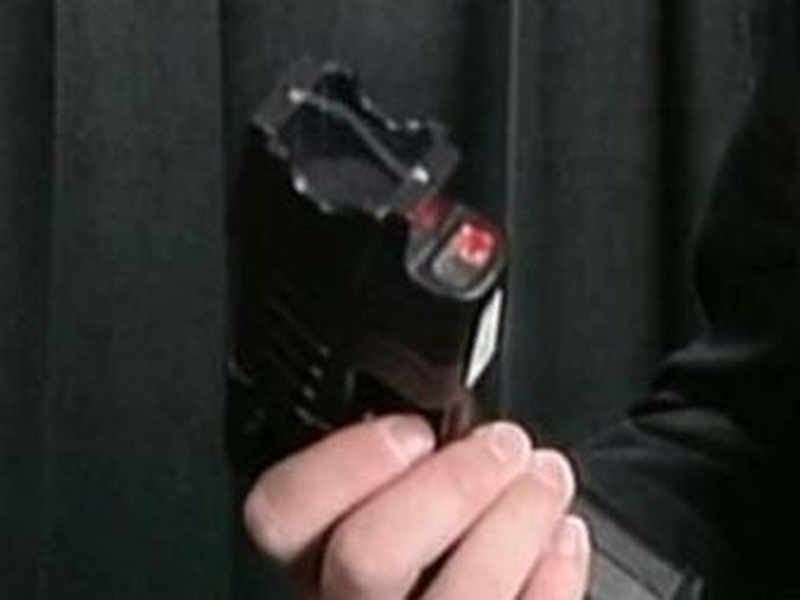
In another development, the Garda Emergency Response Unit, which can use firearms and a number of non-lethal weapons, has now been authorised by the Cabinet to use the stun devices known as Tasers.
Today's Government meeting was also briefed by the Tánaiste on the decision to establish regional response teams outside Dublin to provide the initial response to critical incidents pending the deployment of the ERU.
'Stand up to criminals'
The Chief Inspector of the Garda Inspectorate, Kathleen O'Toole, has called on communities to stand up to gangland criminals and help officers with their investigations.
Speaking at the AGSI conference, Ms O'Toole also called for patrols to be equipped with more sophisticated technology.
Ms O'Toole said she is generally supportive of the Minister for Justice's Criminal Justice Bill, saying that serious crime required serious measures.
She said she wants to see gardaí on the street supplied with more sophisticated technology, such as PDAs in garda cars and mobile data computers to enhance their policing and protect themselves.
She also said that in relation to gangland crime, a greater culture of intimidation had developed and that this was frightening.
However, gardaí needed to focus on the key players, map out the areas and develop more intelligence on the drugs gangs, she added.
Ms O'Toole said that people could give information anonymously to enable gardaí to tackle gangland crime.
McDowell accused of controlling gardaí
Earlier, gardaí accused the Minister for Justice, Michael McDowell, of controlling the running of An Garda Síochána on a day-to-day basis.
The President of the AGSI, Paschal Feeney, said this was brought about by weak garda management, and was having an adverse affect on frontline policing.
Mr Feeney was addressing the annual conference in Wexford.
Mr McDowell told the conference last night that he shared the AGSI's concern over criminals directing gangland crime from prison.
He said such prisoners would in future be segregated and have their visits taped.
He said that 600 mobile phones had been confiscated in prisons and a blocking system is being installed in the Midlands Prison, which when tested will be installed in all prisons.
