The long‑standing practice of moving our clocks forward and back each year is once again under scrutiny.
As we approach the switch to summertime, Cian McCormack explores proposals to change the practice altogether.
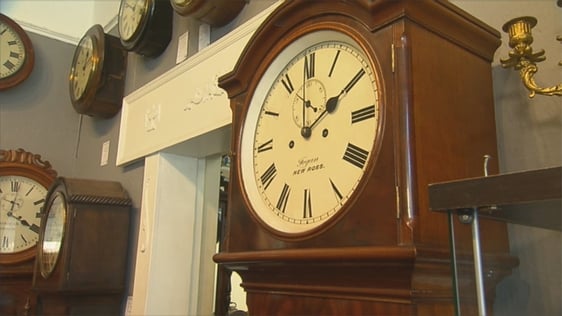
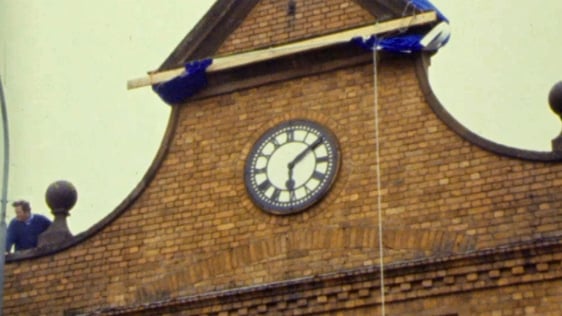
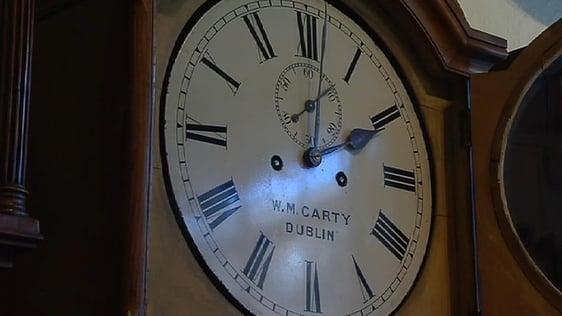
Clockmaker William Lawless has run his workshop in Dublin's Stoneybatter since 1983. But as more people rely on modern digital devices, he worries that the clockmaking trade may be running out of time. This weekend will be particularly busy for him: he is responsible for adjusting the clocks at the former House of Lords in the Bank of Ireland building on College Green, as well as those in the Mansion House. For William, moving clocks forward and back is simply part of life.
Putting the clocks forward marks the start of brighter evenings and the arrival of summer time. Before Ireland joined the EEC in 1973, the country did not revert to winter time. As a result, from 1968 to 1971, children went to school in darkness. Fine Gael TD David Stanton clearly remembers those mornings, watching dawn break from his classroom. He now chairs an Oireachtas Committee considering whether Ireland should once again change its timekeeping system. Independent TD Tommy Broughan has also pushed for reform, having introduced the Brighter Evenings Bill in 2012. His proposal would keep the clocks from going back in October and then move them forward again the following March.
We'd be one hour forward in the winter and two hours forward in the summer and we'd have an extra, maybe, two or three hundred hours of light.
Both Mr Stanton and Mr Broughan agree that any change to Irish time would require coordination with the UK and with Europe. Fianna Fáil TD Timmy Dooley adds that Ireland must also consider the impact on transatlantic trade and its strong commercial ties with the United States.
For most people, however, the arrival of summertime means losing an hour’s sleep and remembering to change any analogue clocks.
'Morning Ireland' reports on 28 March 2014. The reporter is Cian McCormack.