Music and poetry on a day known as Women's Christmas.
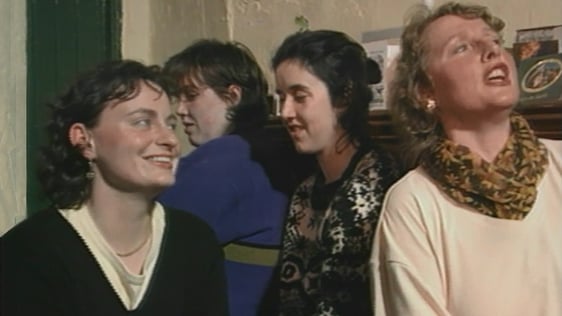
Nollaig na mBan or Women's Christmas takes place on 6 January, the twelfth and final day of Christmas and the feast of the Epiphany in the Christian calendar.
A day traditionally celebrated by the women of Ireland who take a day off from household tasks and family care to celebrate with relatives, friends and neighbours.
In the Gaelic literary tradition, Ireland has been personified as a beautiful woman suffering under colonial rule. The poem 'Róisín Dubh' (meaning ‘little black rose’ in English) is attributed to Antaine Raiftearaí (1779-1835). Here Ireland is assured that better days lie ahead, with help coming from overseas and a pardon from the pope in Rome.
A Róisín, ná bíodh brón ort fé'r éirigh duit,
Tá na bráithre ag teacht thar sáile is iad ag triall ar muir,
Tiocfaidh do phárdún ón bPápa is ón Róimh anoir
Is ní spárálfar fíon Spáinneach ar mo Róisín Dubh.
An English version of this poem by nineteenth-century poet James Clarence Mangan (1803-1849) titled ‘My Dark Rosaleen’ is also well known.
The often unacknowledged work carried out by women in the home is the subject of ‘A Tired Woman's Epitaph’, penned by an anonymous poet,
Here lies a poor woman who always was tired,
She lived in a house where help wasn’t hired.
Her last words on earth were: "Dear friends, I am going
To where there’s no cooking, or washing, or sewing...
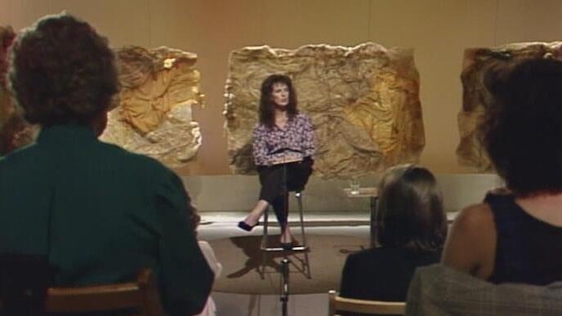
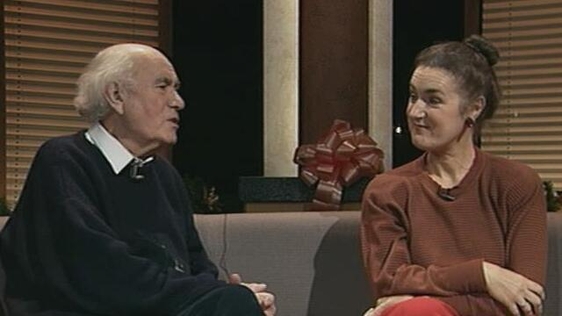
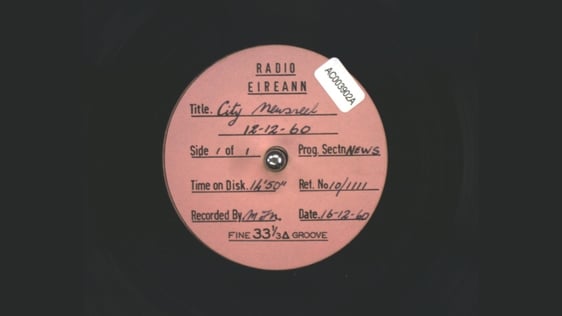
This episode of ‘Mo Cheol Thú’ was broadcast on RTÉ Radio 1 on 6 January 1991. The presenter is Ciarán Mac Mathúna.
'Mo Cheol Thú' was programme consisting of a selection of poetry, song and music, broadcast on RTÉ Radio 1 every Sunday from 1970 to November 2005.