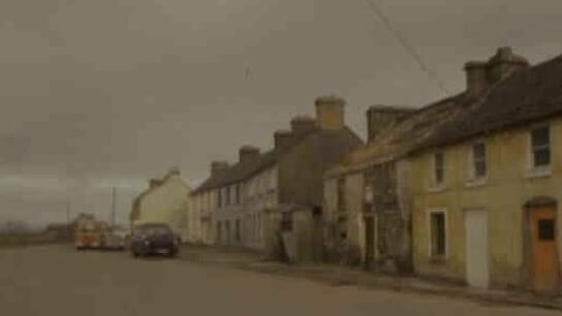
Apprehension and uncertainty as IRA violence and Brtiish Army activity increase in Derry.
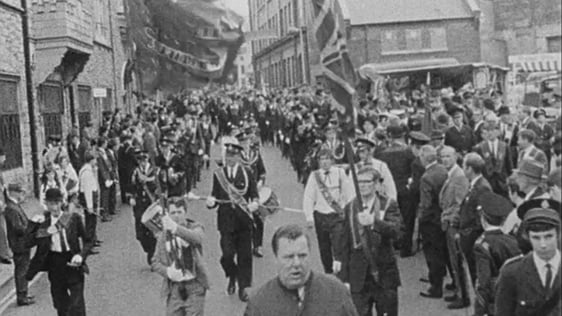
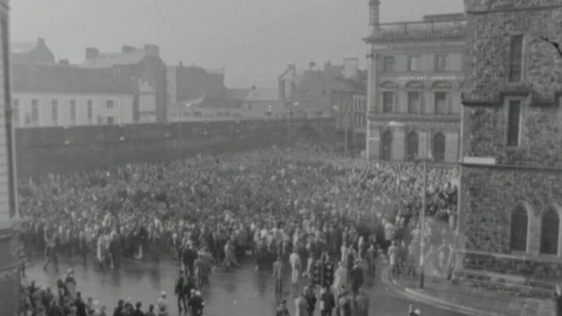
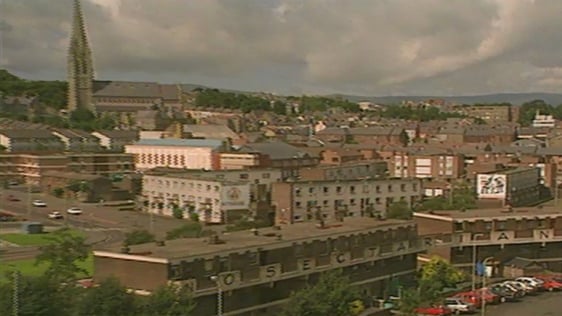
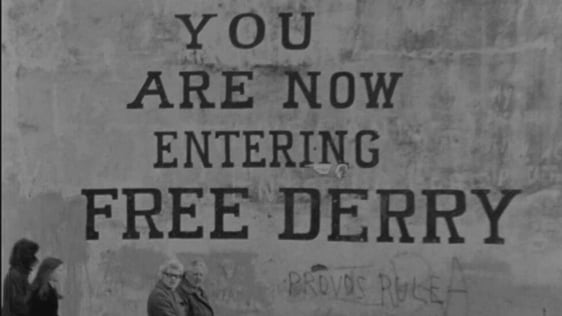
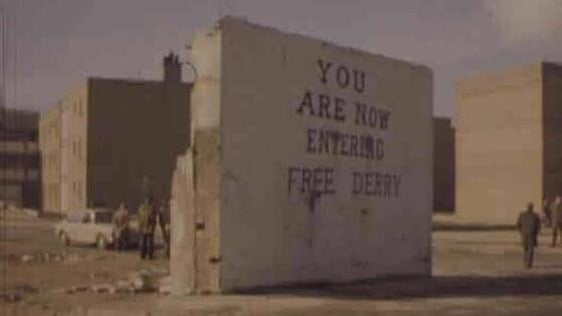
Divided by the River Foyle the city of Derry is a geographic symbol of disunity in Northern Ireland. The majority of the Protestant community live on the east bank of the river. On the west bank lives the largely Catholic population, looking away from Northern Ireland towards the Republic. In total, two-thirds of the population of Derry is Catholic.
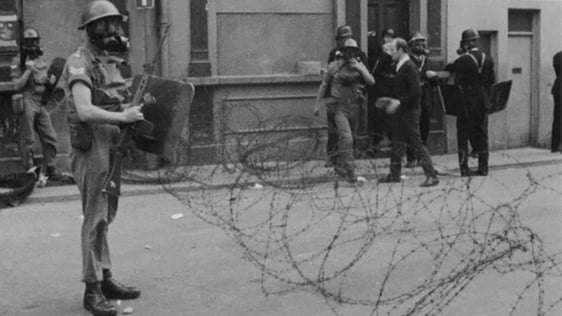
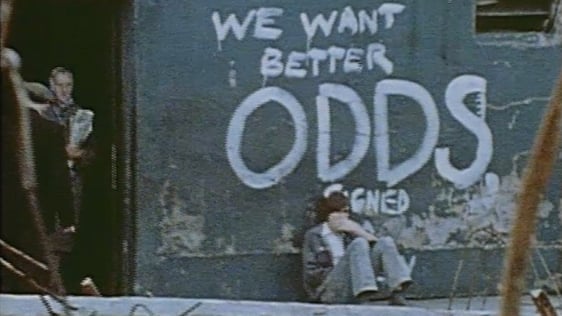
There has been concern among the people of the city following a renewal of violence since September. This week there were two cold blooded killings. During the summer and the Provisional IRA ceasefire the people of Derry experienced a return to a form of peaceful normality. That peace has now dissipated with the renewal of IRA bombing that has seen British army security tightened and the city is fenced in by a series of military checkpoints. There is a changed mood among Derry Catholics.
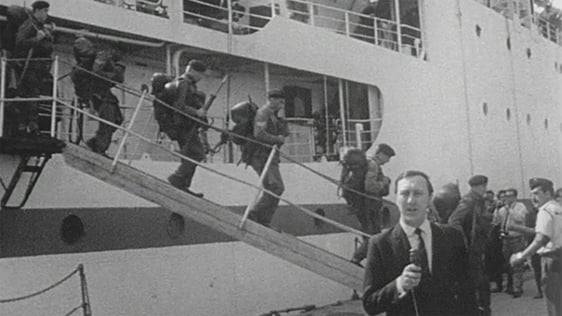
In the summer, soldiers carried rifles over their shoulders. Now, they are alert expecting trouble and the searching of republican areas has increased.
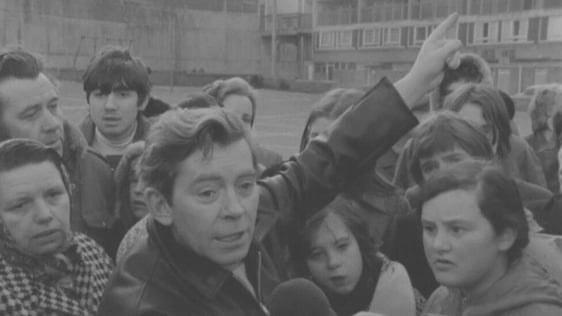
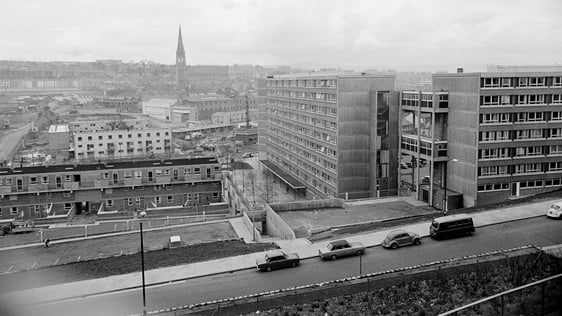
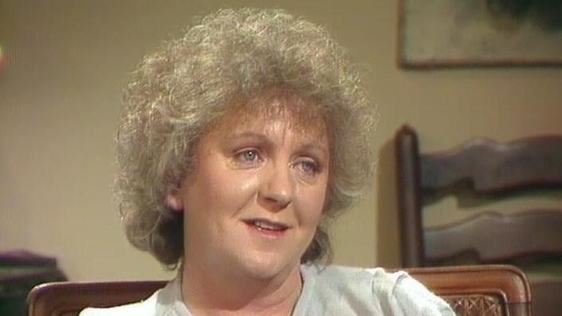
Residents of the Creggan area share their thoughts on a situation in the city that has seen a return to a vicious circle of violence. During the ceasefire, there was a general feeling of normal life among the people and on the streets of Derry. This has all changed.
Col. Richard Sharpe says that British army activity in the area with a return to a policy of search and arrest is a response to the increase in the level of violence.
John Johnston, Provisional Sinn Féin, describes the harassment experienced by people at the hands of the British army. Young people walking on streets of Derry have been verbally and physically abused by British patrols. Col. Richard Sharpe refutes any claims of harassment.
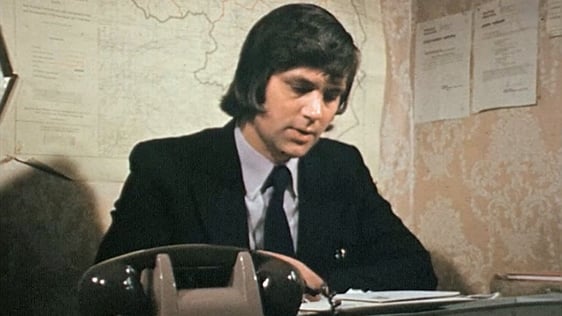
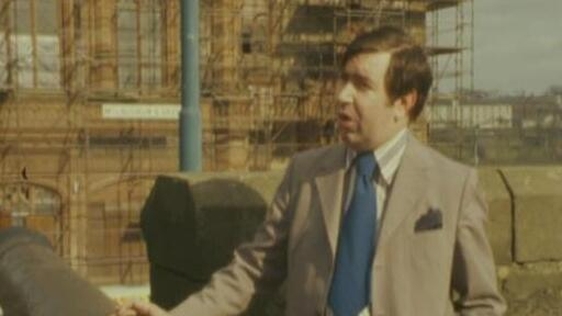
This episode of 'Seven Days' was broadcast on 5 December 1975. The reporter is Forbes McFall.