Irish election campaigns are well-known, if not notorious, for their local focus, writes Michael Marsh, Emeritus Professor, Trinity College Dublin.
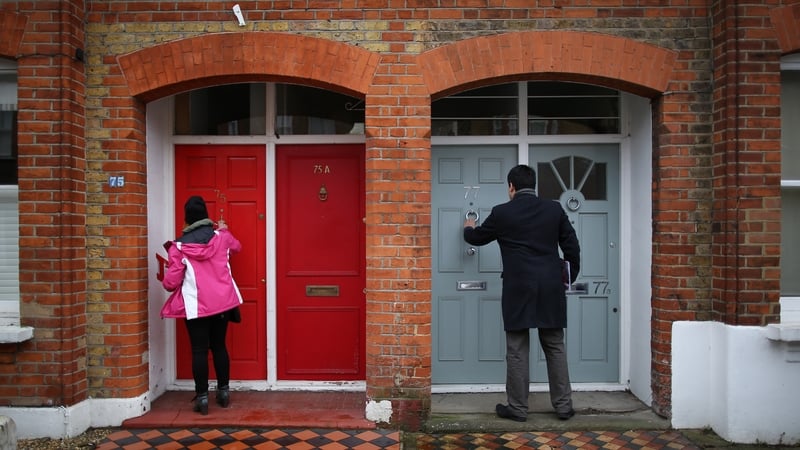
When the official one starts – perhaps next week – parties will devote their time in the 'air war' fought in the national media telling us what they can do for the country, while candidates fighting in the 'ground war' will be going door-to-door telling us what they can do for ‘this area’, and assuring us of their dedication to the importance of ‘local’ issues.
The 2011 version of the Irish National Election Study, carried out after the last election, explored in some detail what voters expected from their TDs: what sort of people they should be and what should they spend their time doing.
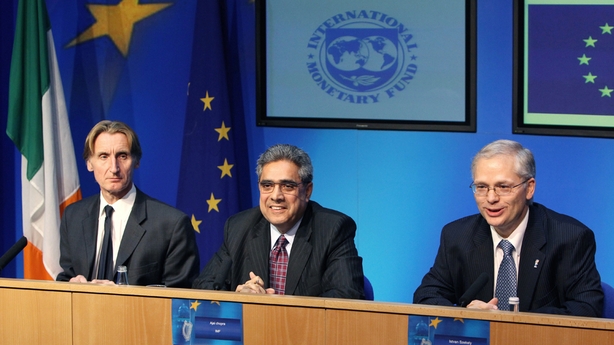 The last election was of course fought in the middle of a major economic crisis, with the Troika effectively camped (in comfort) in Merrion Street and the economy as the dominant election issue.
One senior politician told me of the unusual nature of the 2011 canvass as voters demanded conversations on international finance, while another spoke of a constituent telling him he should be up there in Dublin sorting things out rather than being in his constituency.
If there was ever a time for a national focus perhaps it was 2011.
We asked voters first what sort of person a TD should be, exploring the importance of different forms of representation.
One element of representation is that the social diversity of voters should be directly represented in the Dáil: so there should be a balance in terms of gender, or age, or occupational background so as to represent in a very direct way all types of voters.
A second element is the representation of opinions, regardless of social characteristics: voters have different views on issues and these should be reflected in the opinions held by and put forward by TDs.
Voters did feel that the Dáil was unrepresentative. In particular, two out of three voters thought that there should be more women, and four out of five that there should be more young TDs and that there were too many TDs of pensionable age.
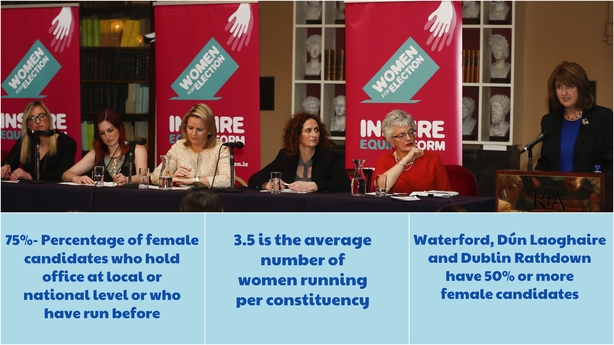
With all parties likely to ensure that they nominate more women this time the next Dáil is likely to have a better gender balance, but it may not be much younger.
Voters, perhaps surprisingly, also felt there should be more TDs who live in the area – only a handful of voters thought there should be fewer.
And most also thought that there should be more ‘working class’ TDs.
None of this is to say that where voters are offered a choice they will favour women candidates, or younger candidates, but that they do see politicians as a whole as less representative than they should be, and perhaps – when it comes to class – a little remote.
Indeed, voters were also asked about the relative importance of some of these aspects of representation: how important is it that your TD has the same opinions, is from the same area, is of the same sex as you, or the same social class?
Easily the most important for most voters were opinions and area, with over 60% saying a TD with the same opinions was the most important, with over 40% saying said a TD from the same area was most important (many people ranked more than one aspect equally).
We sometimes see Irish politics as unusual in as much as local roots are normally critical if a candidate is to be successful, but voters in the UK seem to have very similar concerns to those here when it comes to what they want from a TD.
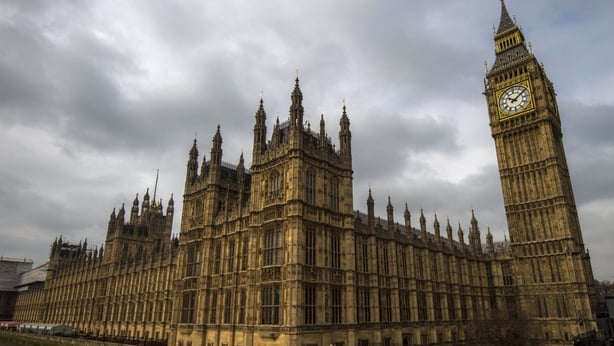 UK voters thought Westminster was too male and too grey, but what was most important for them was to have MPs who shared their opinions and who lived in the area.
When it comes to what TDs should do, even in 2011 there was a tendency to think that TDs did not spend enough time on local matters.
Voters were asked what percentage of time they thought their TD spent on local matters, and also what percentage of time they thought their TD should spend on local affairs.
The key point from this is that voters do tend to want a fairly even balance between the two, and think national affairs should predominate, but that local affairs should get more attention.
On average, voters thought TDs spent 40% of their time on local matters (and 60% on national affairs).
Their ideal share – on average – was 45% local to 55% national.
This is a small difference, but this actually conceals a huge diversity.
While almost 50% wanted a more local focus, almost a quarter of voters thought that TDs should spend more time on national matters.
This pattern is essentially a national one, running across parties, regions and social groups with no very significant differences.
If this study were to be repeated now, arguably the concern for a more local focus would be greater.
Arguments about who was to blame for the economic crisis have been replaced with arguments about the uneven nature of the recovery.
Social and regional inequalities can strengthen the demand for politics to address the needs of 'people around here'.
It is common in Ireland to see our politics as different, most notably in its localism.
Commentators are apt to bemoan the endemic nature of so-called 'clientelism', and complain that the average TD’s focus on their own area distracts them from their 'primary' role as legislators, or as watchdogs, ensuring that the government remains honest.
International evidence suggests this is overstated. Even in the UK, often held up to be so different, MPs spend very considerable amounts of time on constituency matters and voters place a real value on having a ‘local’ MP.
Politicians themselves will argue that national issues manifest themselves locally, and a keeping their feet on the ground in the constituency informs their take on national issues.
Be that as it may, as another politician once claimed, candidates who want to win elections need to wear out their shoes in the constituency. The 'ground war' will matter.
By Michael Marsh, Emeritus Professor,Trinity College Dublin