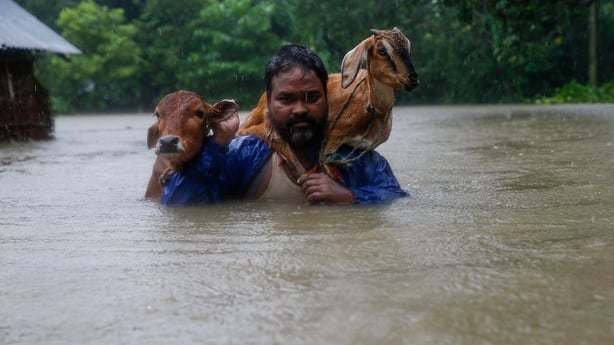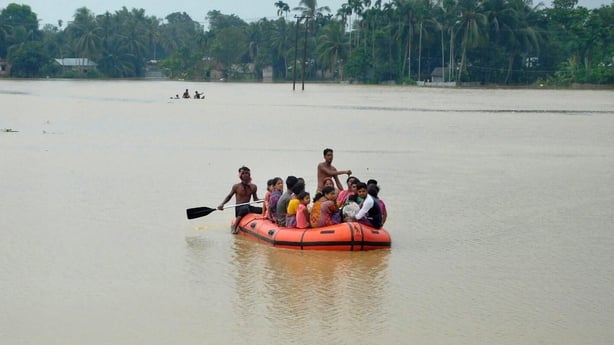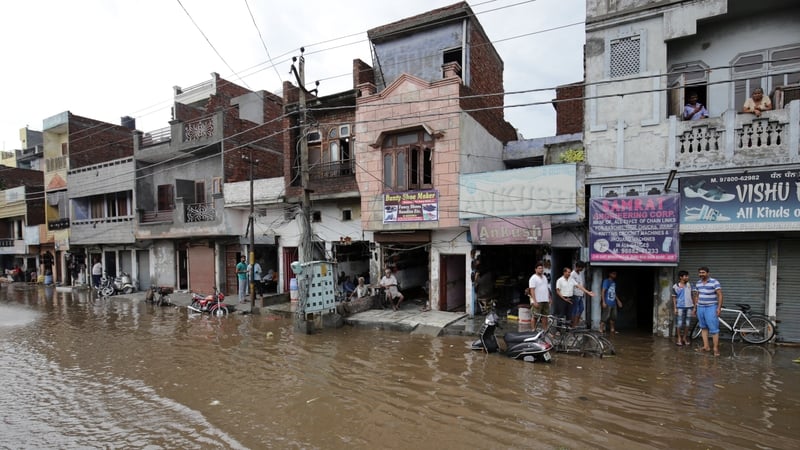
Thousands of people are suffering from an outbreak of malaria and dengue in Bangladesh and Nepal as the waters from the worst floods in a decade recede, officials and aid agencies have said.
More than 1,400 people have died in the floods that have swept South Asia over the past two months, and tens of thousands are living in tents, schools and even under tarpaulin sheets.
"These people need our help, and we are doing all we can to meet their needs," said Martin Faller, deputy director of the International Federation of the Red Cross in the Asia-Pacific region.
Around 13,000 people are ill with respiratory infections in densely populated Bangladesh after floods in its north, where the Brahmaputra and Jamuna rivers broke their banks.
"Diseases such as malaria and dengue are on the rise in some areas and we need support to prevent further death and suffering," said Mozharul Huq, secretary general of the Bangladesh Red Crescent Society.
Nearly 27,000 cases of illness have been reported in Nepal by district health facilities, while 39,712 people had been treated in health camps by 30 Aug, the health ministry said.
However, no epidemic has yet been reported, although health officials were monitoring conditions in flood-affected areas to spot possible outbreaks
Save the Children have said some communities had been entirely wiped out in India's eastern state of Bihar, just over the border from Nepal, with not a single building left undamaged.
The agency estimated over 17 million children needed help with protection, health care and basic nutrition in India alone.