


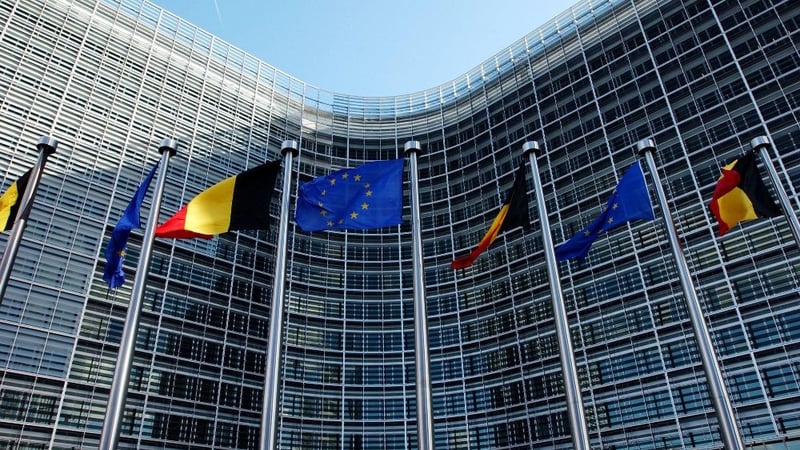
The EU has unveiled plans to force the world's biggest multinationals to fully report earnings and pay their fair share of taxes, saying the Panama Papers scandal added to the need for change.
The European Commission said under the new rules big companies operating in Europe would have to make public what they earn in each member state of the 28-nation bloc.
Country-by-country reporting has for years been a major demand of tax activists who accuse big corporations of secretly shifting profits from major markets to low tax jurisdictions.
This is often done through the use of shell companies such as those exposed in the Panama Papers leaks.
"The Panama Papers have not changed our agenda but strengthen our determination to make sure taxes are paid where profits are generated," EU Financial Services Commissioner Jonathan Hill said.
"This proposal is a simple, proportionate way to increase large multinationals' accountability on tax matters without damaging their competitiveness," the Commission said in a statement.
The Brussels-based Commission said corporate tax avoidance in Europe cost an estimated €50-70 billion a year in lost tax revenues
The EU plan closely follows recommendations by the OECD agreed by G20 leaders last year. They would apply to all global companies with sales worth €750m or above worldwide and with activities in the EU.
The EU said this amounts to about 6,000 companies - including 1,000 Asian firms.
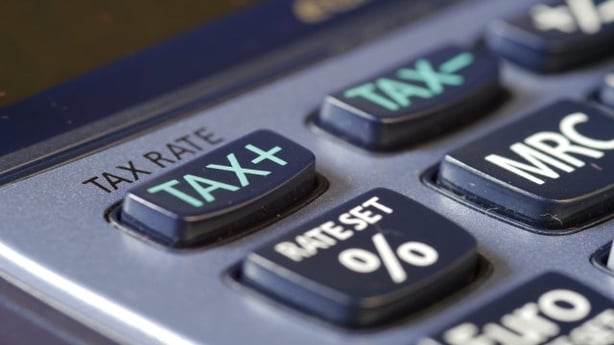
Under the new conditions, companies will need to disclose information such as total sales, the nature of their business activity, profit before tax, tax actually paid and accumulated earnings. The data would be posted on a company's website.
"The proposal has been carefully calibrated to ensure that no confidential business information would be published," the commission added.
The plans also include a commitment to establish an EU-wide blacklist of tax havens.
But in a disappointment to tax campaigners, the EU plan is largely limited to activity in Europe, except if earnings come from a black-listed tax haven.
