


US Secretary of State John Kerry has told Russian Foreign Minister Sergei Lavrov that Moscow and pro-Russian separatists in Ukraine must implement a ceasefire or face "consequences" that could further hit Russia's faltering economy.
Mr Kerry said the ceasefire must be respected in all "key strategic areas" including the town of Debaltseve and outside the Sea of Azov port of Mariupol.
"If that does not happen, if there continue to be these broad swathes of non-compliance ... then there would be inevitably further consequences that would place further strain on Russia's already troubled economy," Mr Kerry told a news conference in Geneva.
Earlier today the UN human rights office said that the death toll in eastern Ukraine had passed 6,000 since April 2014.
The release of the report coincides with a meeting between Mr Kerry and Mr Lavrov.
Mr Kerry said he hoped that Organization for Security and Co-operation in Europe (OSCE) monitoring and the ceasefire deal could be implemented "in the next hours, certainly not days", and he had raised the issue with Mr Lavrov at the meeting that lasted around one hour and 20 minutes.
Mr Kerry said: "He assured me that they are intent on seeing to it that the agreements are in fact implemented. He said he would get back to me with respect to a number of the issues that I raised."
Mr Lavrov told Russian journalists in Geneva he had presented Mr Kerry with a list of examples showing the separatist rebels were sticking to the provisions of the agreement.
"From the (Ukrainian) government forces' side there is wavering, attempts to find excuses to push back or stall the implementation of agreements linked to the political process," he said.
The meeting comes only days after Mr Kerry accused Russian officials of lying "to my face" about Moscow's involvement in the Ukraine conflict, which has triggered the worst post-Cold War crisis between the US and its European allies, and Russia.
A senior State Department official told reporters travelling with Mr Kerry that he had been referring to "the Russian propaganda machine."
What Moscow says is happening in Ukraine "doesn't correspond to the facts on the ground," the official said.
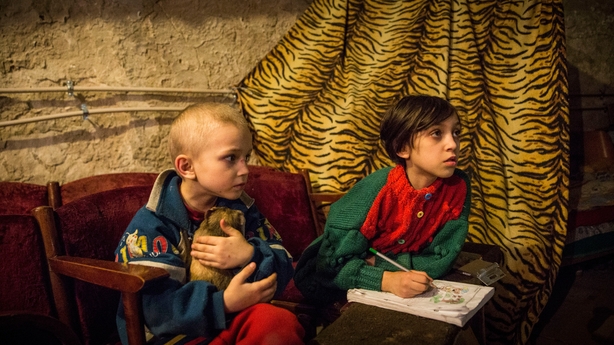
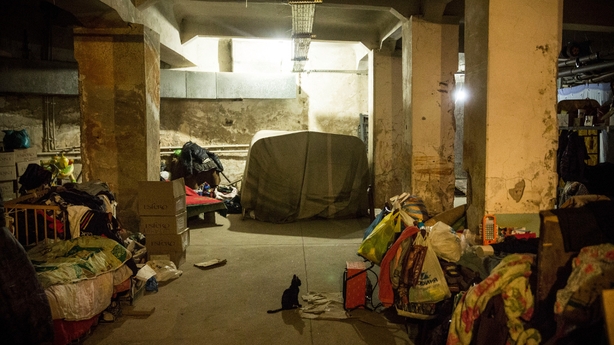
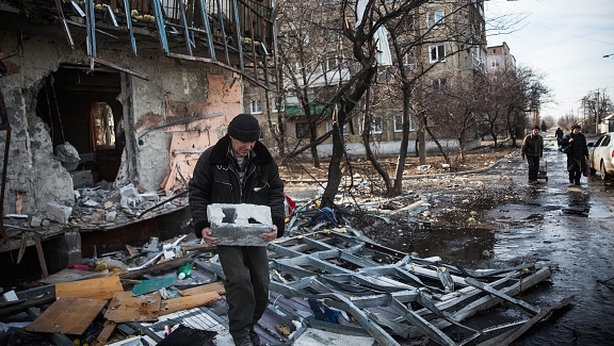
Weeks of heavy fighting, particularly around Donetsk airport and the Debaltseve area cost hundreds of lives, the UN report said, with vulnerable groups including women, children and the elderly particularly affected.
Public institutions have been badly damaged in the fighting, with power outages and shortage of supplies affecting hundreds of thousands of people.
More than 400,000 people have been left without power, heating, water and food in various settlements of the conflict for more than a month.
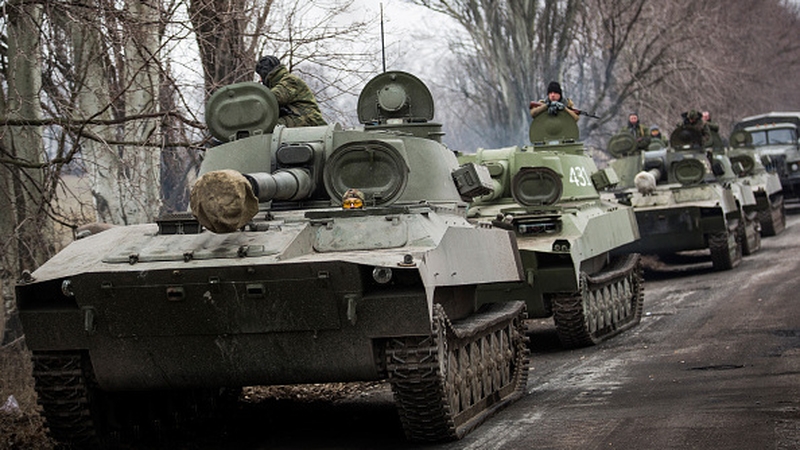
A fragile ceasefire has been in place since 15 February with a drop in violence and moves by both sides to withdraw heavy weapons from the front line raising hopes that it could hold.
But Ukraine's military said yesterday that it thought pro-Russian rebels were using the truce to regroup for new attacks on government positions.
UN Human Rights Chief Zeid Ra'ad Al Hussein called on all sides to respect a fragile peace deal, and "halt the indiscriminate shelling and other hostilities that have created a dreadful situation for civilians."
Meanwhile, Ukraine's military said today that one Ukrainian serviceman was killed and four wounded in separatist eastern territories in the past 24 hours, underscoring the fragility of the ceasefire deal.
Nonetheless, Ukraine reported a sharp drop in attacks from pro-Russian separatists over the weekend and said it was continuing to pull back heavy weapons from the front line.
But it warned that rebels were using the truce to regroup for new attacks on government positions.
