

Germany's government and the two major opposition parties have said they will jointly nominate former East German human rights activist Joachim Gauck to be the country's next president.
The 72-year-old Mr Gauck is a former Lutheran priest who opposed East Germany's then-communist regime and became head of a federal agency dealing with the painful past of the Communists' ubiquitous domestic intelligence service after Germany's reunification in 1990.
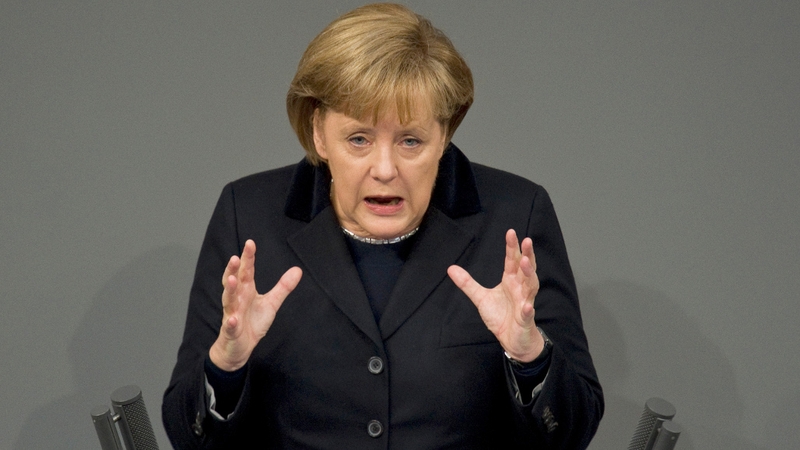
Chancellor Angela Merkel said at a hastily called news conference that her centre-right coalition government and the center-left opposition were behind Mr Gauck, who was initially proposed by the opposition Social Democrats and Greens. He is not a member of any political party.
"What moves me the most, is that a man who was still born during the gloomy, dark war, who grew up and lived 50 years in a dictatorship...is now called to become the head of state," Mr Gauck said. "This is of course a very special day in my life."
Ms Merkel, who also grew up in then-communist East Germany or the GDR, said their life stories strongly connect them. "We have both spent a part of our life in the GDR and our dream of freedom has become true in 1989," she said.
The chancellor stressed that clergymen such as Gauck were at the forefront of the protests that eventually brought down the Communist regime.
Christian Wulff, 52, quit as president Friday after prosecutors asked parliament to strip him of his immunity from prosecution over accusations of improper ties to businessmen.
The move followed two months of allegations he received favours such as a favourable loan rate, and hotel stays from friends when he was state governor of Lower Saxony.
Mr Wulff was Merkel's candidate when elected less than two years ago, triumphing at that time over Mr Gauck in a messy election.
