


Greece will miss a deficit target set just months ago in a massive bailout package, according to government draft budget figures, showing that drastic steps taken to avert bankruptcy may not be enough.
The dire forecasts came while inspectors from the International Monetary Fund, EU and European Central Bank were in Athens scouring the country's books to decide whether to approve a loan tranche. Without that instalment, Greece would run out of cash as soon as this month.
The 2012 draft budget approved by cabinet today predicts a deficit of 8.5% of gross domestic product for 2011, well short of the 7.6% target.
The 2012 deficit is set to meet a nominal target of €14.6 bn, but at 6.8% of GDP it falls short of a target of 6.5%, because the economy will shrink further.
"Three critical months remain to finish 2011, and the final estimate of 8.5 percent of GDP deficit can be achieved if the state mechanism and citizens respond accordingly," the Finance Ministry said in a statement.
European officials are scrambling to avert an abrupt Greek bankruptcy, which would wreck the balance sheets of European banks, jeopardise the future of the single currency and potentially plunge the world into a new global financial crisis.
European Union officials say the troika's assessment of Greece's future prospects could determine whether it needs to demand more debt relief from private creditors, a measure that could effectively amount to default.
Health
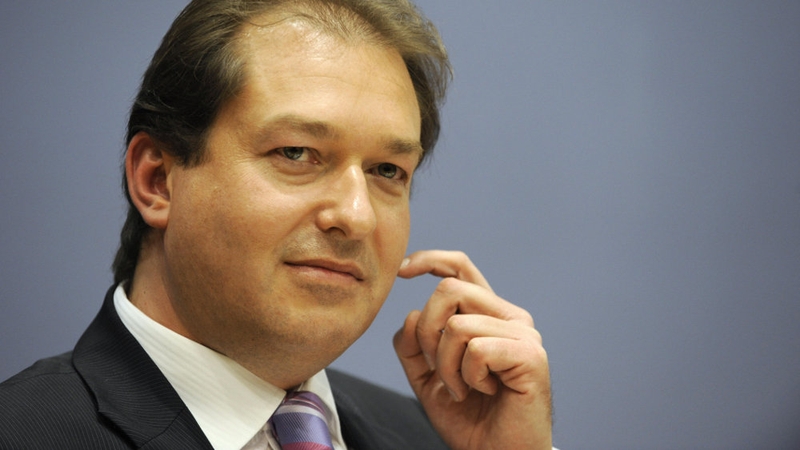
The deputy leader of the Christian Social Union - one of the three parties in Germany's coalition government - has said that Greece may be better off leaving the eurozone, if it cannot restore its fiscal health.
In an interview with a German radio station, Alexander Dobrindt said that a Greek exit from the euro would be a last resort and that Greece would find it easier to recover outside the currency bloc.
His comments contradict those of the German Chancellor, Angela Merkel, who has repeatedly spoken out against Greece leaving the eurozone, saying that a Greek default could trigger a domino effect.
"I think it is a solution, if you want to bring Greece back to stable competitiveness, that they do so outside the eurozone," Mr Dobrindt said.
The 17 countries that share the debt-challenged euro currency will meet in Luxembourg tomorrow in an effort to reach an agreement on releasing the bailout tranche which has been blocked by the International Monetary Fund for the past month.
