


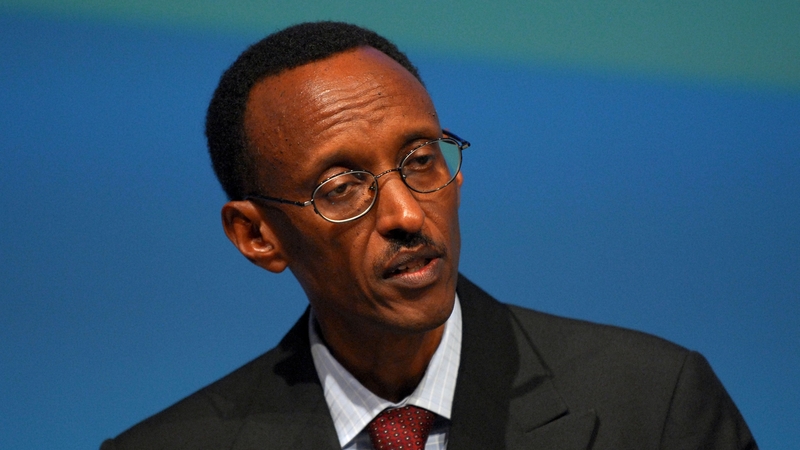
President Paul Kagame is expected to win re-election in Rwanda as citizens vote in the central African nation’s second presidential election since the 1994 genocide.
Some 5.2m Rwandans are eligible to vote.
Rwanda's electorate is expected to vote overwhelmingly for Mr Kagame, partly because of the growth and stability he has delivered during his decade in power and also because of a crackdown on rivals and critics.
Human rights groups said the election campaign was marred by repression and violence against Mr Kagame's opponents.
Mr Kagame has been the de facto leader since his rebel group turned political party, the Tutsi-dominated Rwandan Patriotic front (RPF), routed Hutu extremists after the genocide which claimed 800,000 lives.
He is running against three candidates who all backed him in 2003.
Three new parties, two of which have not been registered by the authorities, were all excluded from the vote and have denounced the election process as a sham, describing Paul Kagame's challengers as stooge candidates.
His government, thanks partly to generous international funding, has turned around the economy of a mountainous country with few natural resources, focusing on services and new technology as well as modernising agriculture.
Critics, however, say that is just a facade for a repressive regime.
Human Rights Watch noted over a period of six months 'a worrying pattern of intimidation, harassment and other abuses.'
Several senior army officers have been arrested in recent months and one general, Faustin Kayumba Nyamwasa, narrowly survived an assassination attempt in exile in South Africa.
An opposition journalist who claimed to have uncovered the regime's responsibility in the attempted murder was shot dead days later.
