


The US intelligence network created after the 11 September 2001 attacks is now so unwieldy that even principal actors within it are unable to grasp its size, according to a Washington Post investigation.
The newspaper's two-year probe found that nine years after the attacks on New York and Washington, the bureaucracy has become 'so secretive that no one knows how much money it costs, how many people it employs, how many programmes exist within it or exactly how many agencies do the same work.'
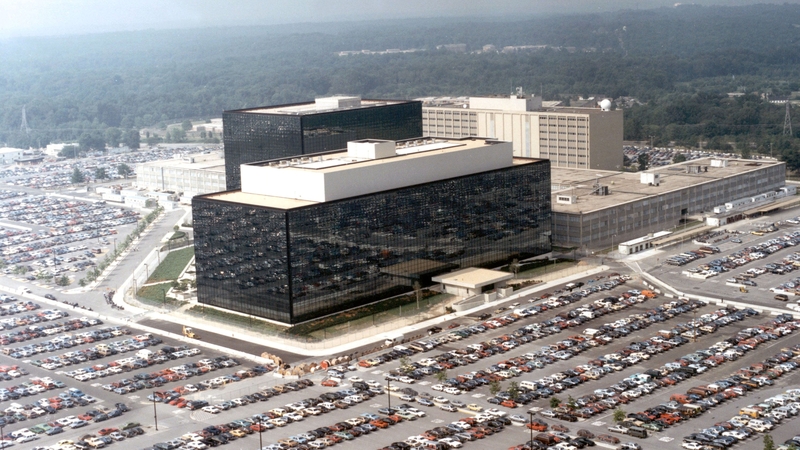
Among the findings were some 1,271 government organisations and 1,931 private companies working on counterterrorism-related programmes, and 33 building complexes built or under construction to house top-secret work - the same amount of space as nearly three Pentagons or 22 US Capitol buildings.
'There has been so much growth since 9/11 that getting your arms around that - not just for the DNI 1/8Director of National Intelligence 3/8, but for any individual, for the director of the CIA, for the secretary of defence - is a challenge,' US Secretary of Defense Robert Gates told the Post.
The investigation also pointed out that the bureaucracy's magnitude results in enormous redundancy and waste, with homeland security and intelligence programmes carried out in some 10,000 locations across the country.
51 federal and military commands located in 15 US cities are now dedicated to tracking the flow of money to and from terrorist networks, and with various agencies producing a massive 50,000 intelligence reports each year, the volume is so large the Post said 'many are routinely ignored.'
Retired army lieutenant general John Vines, who was once in command of 145,000 troops in Iraq and last year tasked with reviewing the Pentagon's top secret programmes, said the 'complexity of this system defies description.'
In an interview with the Washington Post, he was 'not aware of any agency with the authority, responsibility or a process in place to coordinate all these interagency and commercial activities.'
