

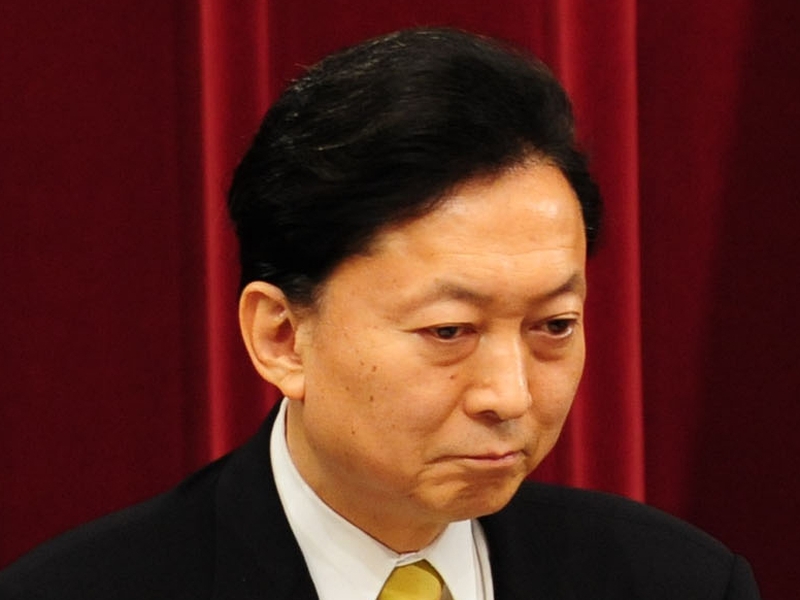
Japanese Prime Minister Yukio Hatoyama and his deputy have resigned to try to boost the party's fortunes in an election next month.
The resignation of the prime minister and his party secretary-general, Ichiro Ozawa, comes less than a year after sweeping to power with promises of change.
The political turmoil could delay efforts to thrash out plans due this month to cut the country's public debt, which stands at about 200% of GDP, and a strategy to engineer growth in an ageing society.
But if, as many expect, fiscally conservative Finance Minister Naoto Kan takes the helm, that could raise the chances of bolder steps to rein in debt, including a pledge to consider raising the 5% sales tax.
Mr Hatoyama's Democratic Party of Japan (DPJ) made history with a landslide election win last year.
The party promised to change how Japan is governed after more than 50 years of cosy ties among bureaucrats, companies and lawmakers under the Liberal Democrats.
But after eight months of indecision and broken promises, the 63-year-old prime minister bowed to pressure from his party to quit ahead of an election for the upper house of parliament expected in July that it must win to smooth policymaking.
An election loss would not oust the DPJ-led government given its majority in the more powerful lower house, but the ruling bloc needs a majority to keep legislation from being stalled.
With tears in his eyes, Mr Hatoyama told party lawmakers that he and Mr Ozawa would resign.
'In order to revitalise our party, we need to bring back a thoroughly clean Democratic Party. I would like to ask your co-operation,' he said.
Mr Hatoyama's ratings had nosedived on voter doubts about his leadership, while Mr Ozawa's image as an old-style powerbroker pulling strings behind the scenes had also eroded public support.
