

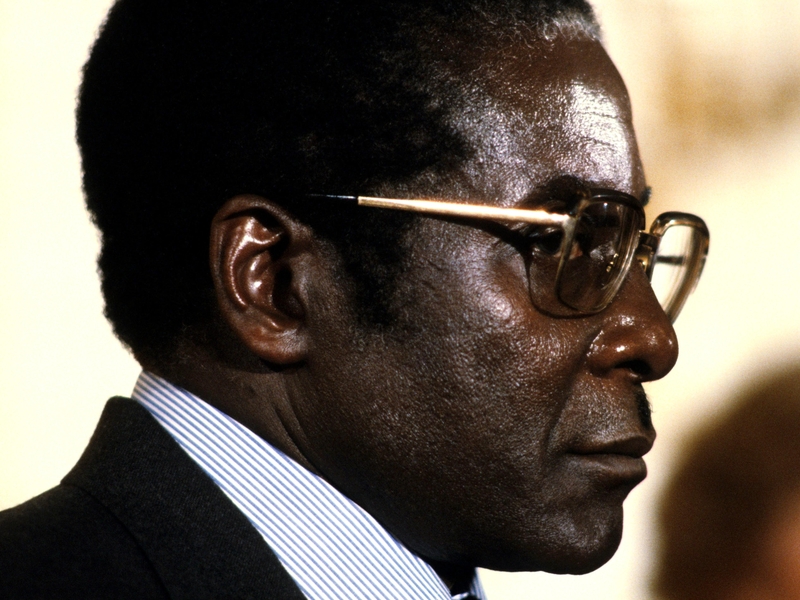
Zimbabwean President Robert Mugabe has announced that the troubled country’s general election will be held on 29 March 2008.
Mr Mugabe will seek a sixth term in office.
The parliament will be dissolved a day before the election is scheduled .
The main opposition, Movement for Democratic Change, which has been negotiating with Mr Mugabe's party over the framework for the elections, denounced the move as an ‘act of madness’ but stopped short of calling a boycott.
The opposition wants Mr Mugabe to postpone the polls until a new constitution is in place, an idea that the Zimbabwean leader has shown no sign of entertaining.
The joint parliamentary and presidential election will be held against a backdrop of an economic meltdown with the annual rate of inflation officially put at nearly 8,000%. Economists believe the actual figure is closer to 50,000%.
Unemployment is running at around 80% while basic foodstuffs such as cooking oil and sugar are now a scarce commodity in the one-time regional breadbasket.
Zimbabwe has also been plagued by political violence with several senior MDC figures, including its leader Morgan Tsvangirai, assaulted by members of the security forces as they tried to stage an anti-government rally last March.
The opposition was given permission to hold a rally earlier this week but only after challenging a police ban in court.
Mr Tsvangirai was briefly detained ahead of that rally when he was picked up by police at his home, prompting him to question whether elections could take place on a level playing field.
‘If this is the reaction of this dictatorship, then the elections are a farce,’ he told supporters.
The 83-year-old Mr Mugabe, who has ruled the former British colony since independence in 1980, was confirmed as his Zimbabwe African National Union - Patriotic Front (ZANU-PF) candidate at a party conference in the capital Harare last month.
