

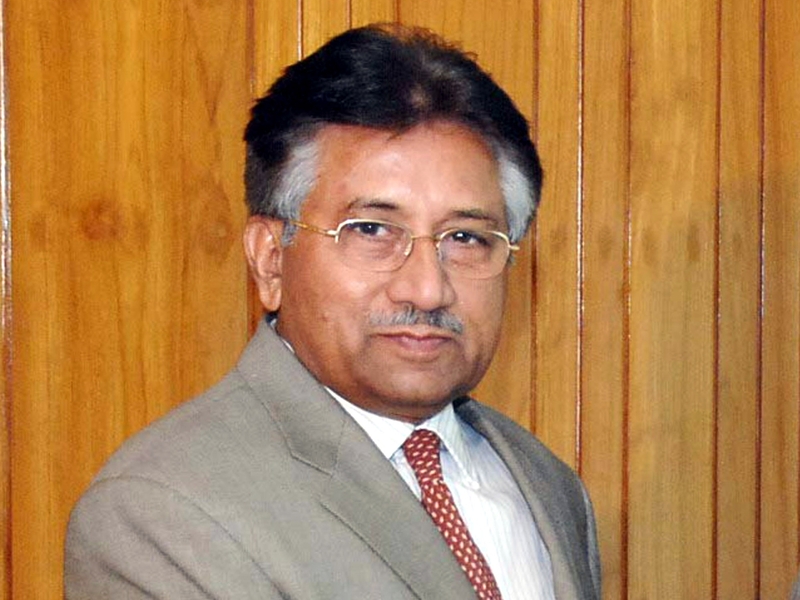
Pakistan has angrily rejected its suspension from the Commonwealth, but leaders of the group of mainly former British colonies said the sanction was justified and would stand until democracy was restored.
A special ministerial group set up to safeguard democratic standards harshly criticised Pakistan President Pervez Musharraf for his three-week-old state of emergency and suspended Pakistan's membership late on Thursday.
Pakistan is not attending the Commonwealth's Uganda summit but Foreign Ministry spokesman Mohammad Sadiq told Reuters the decision 'is unreasonable and unjustified. Pakistan will review its association and further cooperation with the organisation.'
Commonwealth Secretary-General Don McKinnon told a news conference: 'This wasn't a desire to heap retribution on Pakistan, this was a determination to live up to our principles.'
This view was echoed by British Prime Minister Gordon Brown, who said: 'Pakistan has obligations to meet. Pakistan has got to end the state of emergency...Pakistan is suspended until the point at which free and fair elections take place and all of the conditions are met.'
While Commonwealth suspension has few immediate practical effects, analysts say it could further isolate Mr Musharraf, a key U.S. ally in the war against Islamic militancy, discourage foreign investment and undermine him domestically, where he is trying to fend off major opposition challenges.
