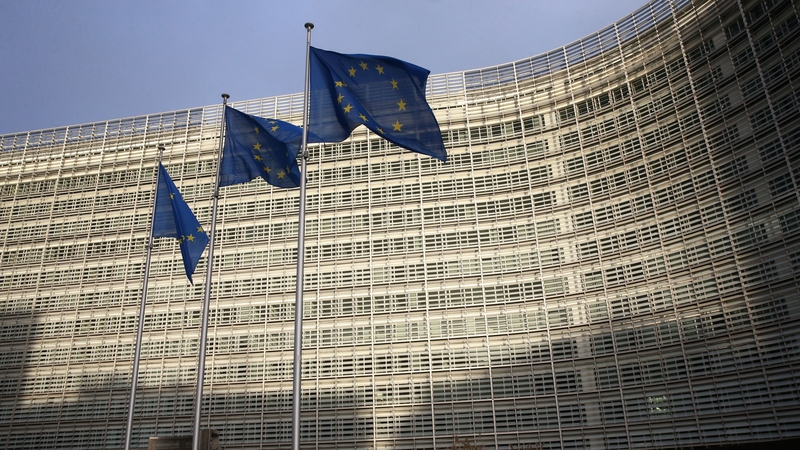

The European Commission has launched a series of measures designed to tackle the short and medium-term impacts of the energy crisis triggered by the US-Israel war on Iran.
The measures will include a relaxation of EU state aid rules to allow member states to spend public funds to cushion the worst impacts of higher energy prices on consumers and industry.
These could include price controls, income support schemes and tax incentives, and will be aimed at households, SMEs and energy intensive industries.
Member states will be able to further tax the windfall profits of energy companies to encourage "social fairness".
The commission will also work with countries to develop targeted tax cuts to bring down energy bills.
Elsewhere, the so-called Accelerator EU proposal seeks to speed up the implementation of existing legislation aimed at enhancing cross border grid sharing, boosting renewables, facilitating greater choice for consumers when procuring electricity from energy providers and encouraging the adoption of green home appliances.

There will be guidance on protecting vulnerable customers from disconnections, fast-tracking and simplifying energy supplier and energy contract switching, participation in energy communities and self-consumption, and improving supplier risk management and protection for consumers during the energy transition.
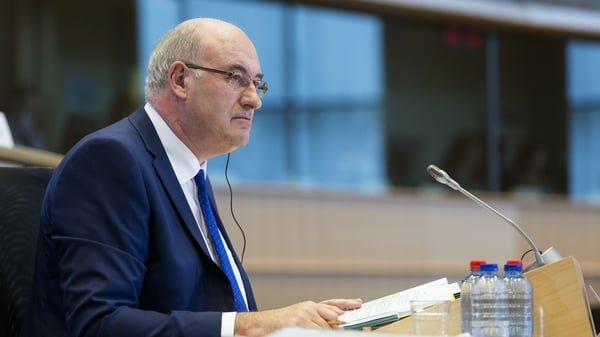
Ireland's EU Commissioner Michael McGrath said there had been close coordination between the Irish Government and the European Commission on today's measures.
"We must recognise that the conflict in the Middle East has caused significant disruption to energy markets, placing real pressure on households and businesses of all sizes," he said.
"The Irish Government has taken action, and there has been close coordination at European level on the measures adopted.
"We are working in partnership with Ireland and other member states, with a clear focus on ensuring that support is temporary, targeted and timely, while staying firmly on course towards decarbonisation.
"Reducing our dependence on imported fossil fuels is in all our shared interests," Mr McGrath said.
"These measures will equip Member States with additional tools to support citizens and businesses who are shouldering a heavy burden - something that must be fully acknowledged."
We need your consent to load this rte-player contentWe use rte-player to manage extra content that can set cookies on your device and collect data about your activity. Please review their details and accept them to load the content.Manage Preferences
In a statement, the commission said it "stands ready to support any member states that need, in the short term, to apply energy tax rates below the current EU minimum levels, while avoiding increasing fossil fuel demand and exacerbating imbalances of supply and demand".
The commission described the measures as a "toolbox to bring immediate relief to European households and industries, especially the most vulnerable ones, while putting Europe on a steady pathway to energy independence".
According to a statement, the Gulf conflict has forced the EU to spend an additional €24 billion on energy imports due to higher prices "without receiving a single extra molecule of energy".
It added: "The current geopolitical situation is a stark reminder that accelerating the transition to clean, secure and affordable energy is an economic and security imperative."
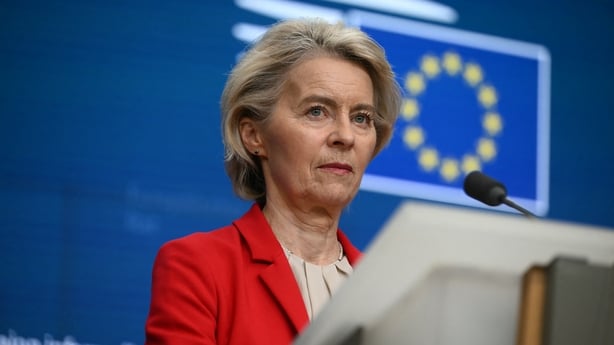
European Commission President Ursula von der Leyen said: "The choices we make today will shape our ability to face the challenges of today and the crises of tomorrow.
"Our Accelerate EU strategy will bring both immediate and more structural relief measures to European citizens and businesses.
"We must accelerate the shift to homegrown, clean energies. This will give us energy independence and security, and mean we are better able to weather geopolitical storms."
Under the plan, member states will have to increase coordination on the refilling of underground gas storages and any exceptional releases of oil stocks, to prevent the inadvertent boosting of prices due to competition between member states in procuring reserves.
The Commission has proposed a so-called Fuel Observatory to track production, imports, exports and stock levels of transport fuels within the EU.
"This will enable swift identification of potential shortages and, in the case of emergency stock releases, inform targeted measures to maintain balanced fuel distribution," the statement said.
The commission will also "provide clarity" on existing flexibilities within EU rules to alleviate high fuel prices and possible fuel shortages in the aviation sector.
A new Electrification Action Plan will be introduced by the summer which will include an electrification target and measures to remove barriers to the electrification of the industrial, transport and building sectors.
The Commission also called for the swift implementation of the Sustainable Transport Investment Plan in order to accelerate the rollout of sustainable aviation fuels as well as the European Grids Package, which is designed to speed up cross border grid sharing in order to reduce long term electricity prices.
EU leaders meeting in Cyprus tomorrow and Friday will assess the commission's proposals.
Meanwhile, Minister for Foreign Affairs Helen McEntee has welcomed the launch of EU measures designed to address the impact of the energy crisis.
However, she added that upcoming budget discussions will also look at "ways in which we can permanently make changes that leave us less reliant, less impacted by these types of shocks in future".
Speaking at Iveagh House alongside Germany's Federal Foreign Minister Johann Wadephul, Ms McEntee said that Ireland will look at potential EU measures it can avail of should the situation persist. But she added that the "quickest and fastest way to respond to the crisis is for the war to the end, and the Strait of Hormuz to open up".
Read more: Govt downgrades growth forecasts but predicts higher surplus
Additional reporting Gavin O'Callaghan