Bernard Falk opts to go to prison rather than reveal the identity of a man he interviewed for a BBC programme.
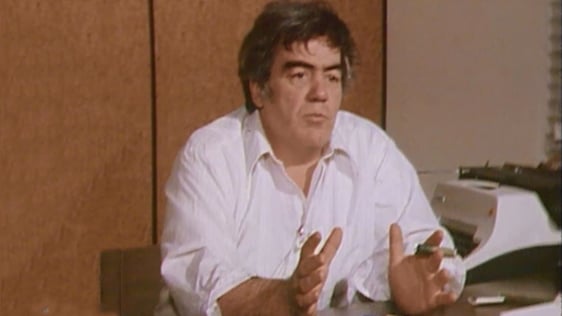
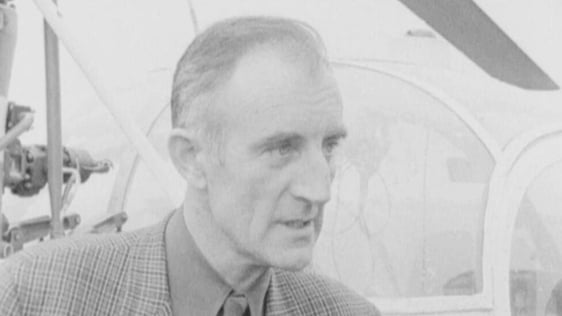
On 22 April 1971, Bernard Falk, a journalist with the British Broadcasting Corporation (BBC) current affairs television programme '24 Hours' was called as a prosecution witness at Belfast Magistrates' Court. He received a four-day sentence for contempt of court for refusing to answer questions about a man he interviewed who claimed to be a spokesperson for the Irish Republican Army (IRA).
The case, brought under the Special Powers Act, was adjourned for five days to allow Bernard Falk to reconsider his position, but when he persisted in his refusal, the sentence was imposed.
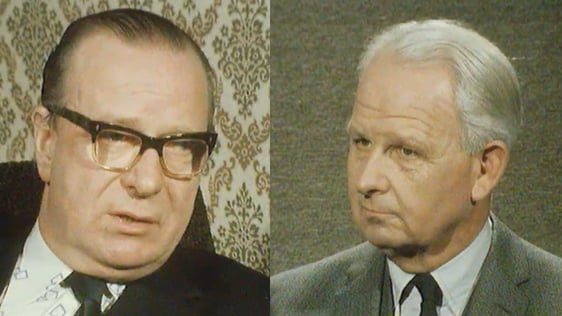
Bernard Falk was released on bail to appeal against his sentence. He has decided to abandon the appeal. He explains that the past few weeks have been stressful for him and his family. The lengthy appeal process would only add to this strain. The situation has left Bernard Falk unable to work. By drawing a line under the matter, he also hopes to return to his journalistic duties.
By serving the sentence, I hope that it would be a first step to resuming a perfectly normal life.
Bernard Falk is heartened by the expressions of solidarity he has received from journalists all over Britain and Ireland. They support his stance, which upholds a basic principle of journalism,
That a journalist should not disclose his source of information or should, in fact, betray a confidence, we do not waver on that basic principle.
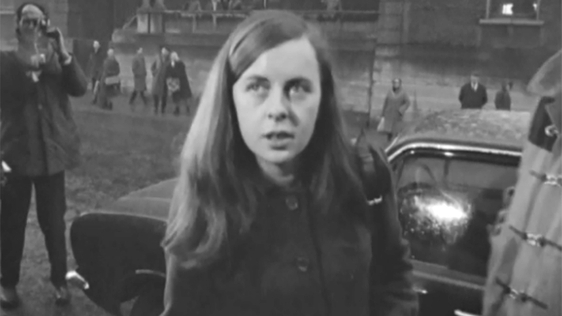
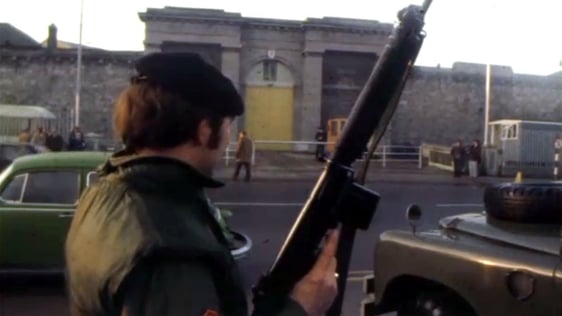
Bernard Falk goes to Crumlin Road Jail to begin his sentence.
An RTÉ News report broadcast on 4 May 1971. The reporter is Martin McAleese.