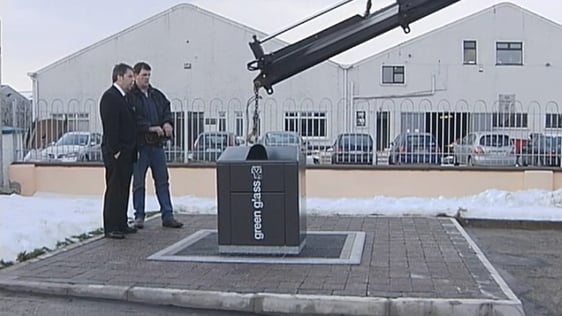
The German city of Freiburg has become a model for reducing an recycling waste.
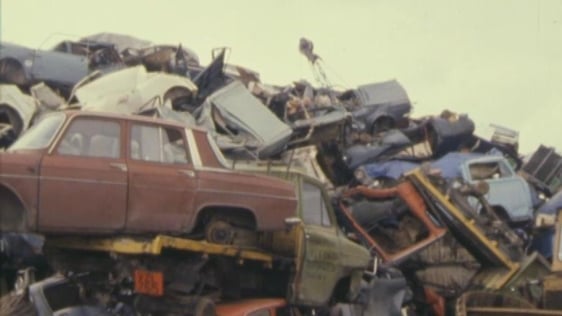
Over a decade ago, Freiburg was facing a serious rubbish problem with a landfill dump that was almost full. Ten years on the city dump holds only one sixth of the landfill. The city had already fought off the construction of a nuclear power plant and became a centre for environmental activism.
Today, Freiburg is a leader in waste management.
What can Ireland and other countries learn from this approach? Dr Dieter Wörner, Director of Environment Service in Freiburg, says the clean up began with a waste avoidance and recycling policy. Plants were established so that anything that can be recycled is recycled. The success of the project begins with how households and businesses dispose of their waste. Reprocessing costs are paid for by the citizens at a cost of around £100 a year for a family of four. The recycled paper, plastic, wood and glass are then reprocessed and reused.
In Ireland, material like this is simply thrown into a hole in the ground and buried.
The latest venture in Freiburg is a plant that processes organic waste. Households separate their food scraps from other waste. This organic waste is brought to a bio-energy plant. After a month in a bio-reactor, the material breaks down, releasing methane gas, which is collected and used to power two turbine generators, which can provide energy to 14,000 homes. The processed waste is used as compost by local farmers.
The amount of waste that now goes to landfill in Freiburg has been dramatically cut as a result of these measures. By 2005, the city's landfill dump will be full and there are plans to build an incinerator to deal with this excess waste. Due to the treatment of the waste, the levels of emissions will be very low.
An RTÉ News report broadcast on 25 January 2001. The reporter is Sean Whelan.