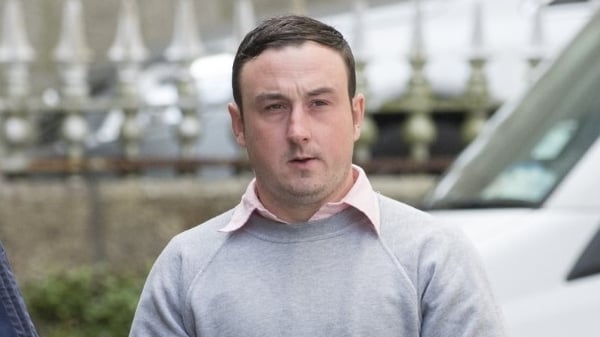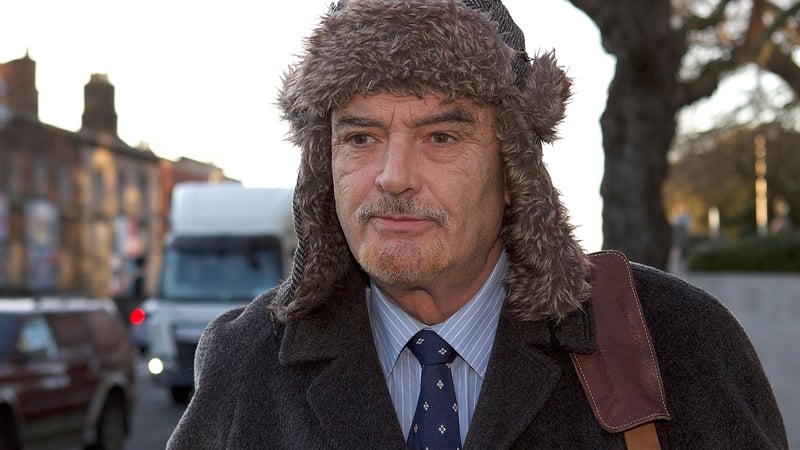

A date has been provisionally fixed for the extradition hearing of Ian Bailey to France, where he has been convicted of the 1996 murder of Sophie Toscan du Plantier.
Mr Justice Donald Binchy has set aside three days for the hearing, which is scheduled to begin on 5 May.
Lawyers for Minister for Justice Charlie Flanagan told the High Court that they had received a "voluminous" affidavit from Mr Bailey's solicitors last week, and needed further time to assess its contents.
This is the third time that French authorities have sought Mr Bailey's surrender in relation to the death of the 39-year-old filmmaker, whose body was found outside her holiday home in west Cork in December 1996.
Mr Bailey, with an address in Schull, Co Cork, was present in court for this morning's brief hearing.
He was convicted in absentia of the murder of Ms Toscan du Plantier at the Cour d'Assises in Paris last May, and sentenced to 25 years in prison. The 63-year-old denies any involvement in her death.
Mr Bailey did not attend the French court and had no legal representation during the proceedings, which he has described as a "farce". He was arrested by gardaí on foot of a European Arrest Warrant last December.
After this morning's hearing, Mr Bailey was remanded on continuing bail.
The case is due for mention again on 30 March. The judge said it would not be necessary for Mr Bailey to be present in court on that date.
The Supreme Court refused to extradite Mr Bailey in 2012 holding that surrender was prohibited because the alleged offence was committed outside French territory, and Irish law did not allow prosecution for the same offence when committed outside its territory by a non-Irish citizen.
Lawyers for the Minister for Justice have argued that while two previous extradition attempts were unsuccessful, in the intervening period Mr Bailey had been convicted of the French woman's voluntary homicide.
They also say that provisions introduced in the 2019 Criminal Law (Extraterritorial Jurisdiction) Act could raise two possible interpretations of the Supreme Court's majority finding on extraterritoriality in 2012.
The second French extradition request in respect of Mr Bailey was dismissed as an "abuse of process" by the High Court in 2017, with Mr Justice Tony Hunt holding that the "unique features" of the case justified "termination" of the proceedings.