


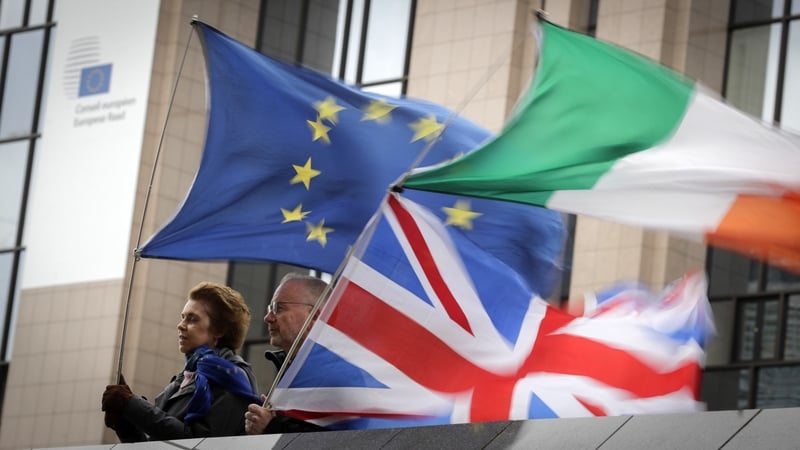
Milestones on Britain's rocky road out of the European Union as the British parliament votes on the new divorce agreement struck by Prime Minister Boris Johnson with Brussels.
Vote to leave
In an advisory referendum on 23 June 2016, Britons choose to leave the 28-nation EU by 52% to 48%.
The shock outcome prompts Conservative Prime Minister David Cameron, who had led the campaign to preserve Britain's four-decade membership of the bloc, to resign the next day.
May becomes prime minister
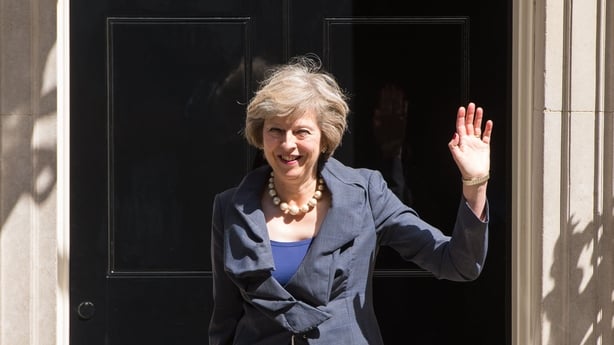
Theresa May, the interior minister who also backed remaining in the EU, becomes prime minister on 13 July.
On 17 January 2017 she sets out her Brexit strategy, saying Britain will leave Europe's single market and control EU immigration.
Exit process triggered
On 29 March 2017 the government starts a two-year timetable for withdrawal with a letter to the EU Council formally announcing Britain's intention to leave.
The Brexit deadline is set for 29 March 2019.
Lost majority
To strengthen her hand in Brexit negotiations, Mrs May calls a snap election for 8 June 2017.
But the Conservatives lose their parliamentary majority and, to stay in power, strike a deal for support from Northern Ireland's hardline Democratic Unionist Party (DUP).
Draft deal agreed
On 13 November 2018 British and EU negotiators reach a draft divorce agreement. EU leaders approve the accord on November 25.
But Mrs May faces an angry backlash from her own party over the deal's terms amid fears it would leave Britain interminably trapped in EU trade rules.
Rejected three times
In the first parliament vote on the deal on 15 January 2019, MPs vote 432 to 202 against - the biggest government defeat in British parliamentary history.
The next day the government narrowly survives a vote of no confidence.
The House of Commons rejects the deal again on 12 March by 391 to 242.
On 27 March, Mrs May promises to resign if her Brexit deal is adopted.
Parliament votes against it for a third time on 29 March - by 344 to 286.
Deadline delays
The EU agrees to delay Brexit until 22 May and then - at a 10-11 April summit - until 31 October, the current deadline.
The delay means Britain is obliged to organise European Parliament elections on 23 May, which are won by the Brexit Party of anti-EU populist Nigel Farage.
May resigns, Johnson elected
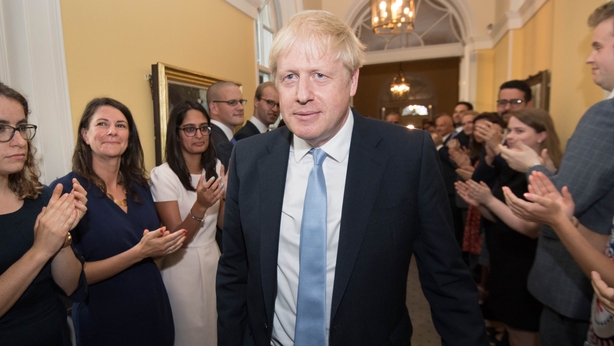
On 23 July Brexit figurehead Boris Johnson is voted in as new Conservative leader, becoming prime minister the next day.
He promises to take Britain out of the EU on 31 October with or without a deal.
Queen backs delay law
On 9 September Britain's Queen Elizabeth gives her approval to a law that would force the government to delay Brexit if it is not able to strike a divorce deal with Brussels.
On 2 October Mr Johnson publishes his "final" Brexit proposals, which are rejected by the EU.
On 10 October he and Taoiseach Leo Varadkar say they see a "pathway" to a deal after talks over the main sticking point - how to keep open the border between Northern Ireland and the Republic.
New draft deal agreed
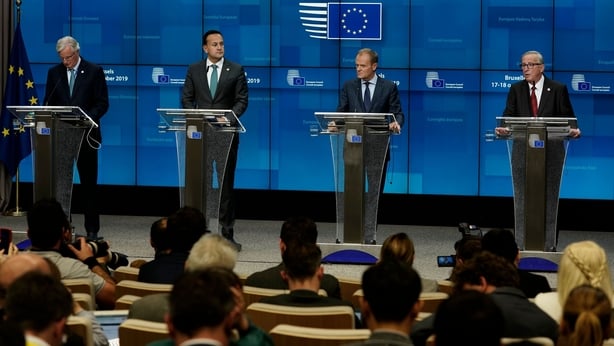
On 17 October, the European Union and Britain announce their agreement on a new draft Brexit accord. It is then endorsed at a key EU summit by the other 27 EU members, but also needs approval by the British and European parliaments.
Parliament votes
On 19 October, the British parliament sits for the first time in 37 years to vote on the agreement.
We need your consent to load this rte-player contentWe use rte-player to manage extra content that can set cookies on your device and collect data about your activity. Please review their details and accept them to load the content.Manage Preferences
