
Analysis: The story of Ireland's nightlife is an important history of the spaces young people sought out for socialising, experimenting and dancing
A 2025 report from lobby group Give Us the Night found that there were just 82 active nightclubs in Ireland, down 84% from 2000s when 522 were in operation. This huge collapse in the industry has led to much debate about 'the nighttime economy' and how Irish society is socialising after dark. We know from research figures that alcohol consumption by young people dropped significantly (though it is again rising), but where are we socialising? And what has happened to all the nightclubs?
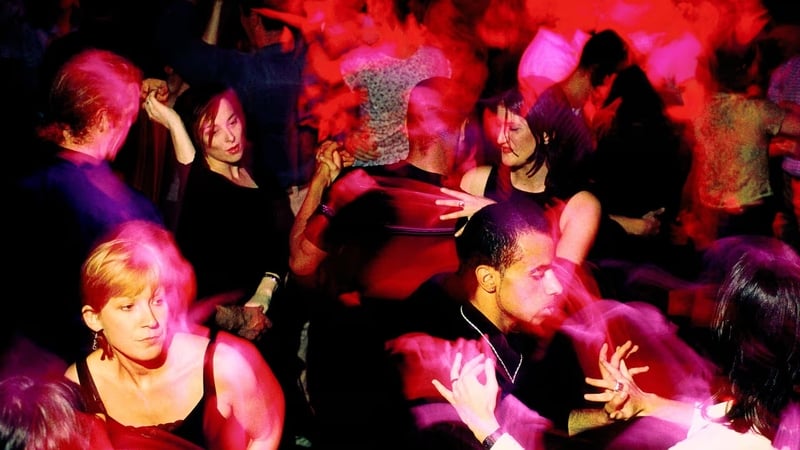
Nightclubs means different things to different people. They were once a key attachment to finding your tribe. What club you went to and on what night said much about your personality and cultural taste. The club is also a huge repository of memories and nostalgia of younger days, music, late nights, loves and break-ups.
We need your consent to load this rte-player contentWe use rte-player to manage extra content that can set cookies on your device and collect data about your activity. Please review their details and accept them to load the content.Manage Preferences
From RTÉ Radio 1's Morning Ireland, campaigners call for nightclubs to stay open longer as the number of clubs in operation continue to fall
Dublin in the 1960s had a varied nightlife offering for a city that was increasingly seeing a younger population and one which was travelling more internationally, seeking out new and freer forms of entertainment and expression.
The beat clubs were one early example. By the mid-1960s it was reported that over 100 beat clubs operated in Dublin city alone. Club Arthur, one of the largest neat clubs in Dublin had members numbering in the hundreds. Michael Ryan, a band member and operator of Club Arthur, described older people as "squares" and said that beat clubs offered a new exciting alternative to the more formal dancehalls where teenagers could dress how they wanted and listen to live bands.
From RTÉ Archives, Cathal O'Shannon reports for Newsbeat from Club Arthur in 1966
The policy of these clubs insisted on strict admittance, with new members being proposed, vetted, and seconded for membership. The location of these beat clubs was primarily basements and cellars and often attracted the interest of the Gardaí who inspected seeking evidence of drug taking and sexual misconduct. The clubs were even denounced from the pulpit by one Dublin priest condemning them as 'dens of iniquity'.
Youth tastes continued to be influenced by pop culture internationally. By early 1970s, go-go dancers in clubs with the latest US and British pop music were popular in Dublin. This pushed boundaries of social norms further in a still conservative Irish society. From Swinging London to Free-loving San Francisco, Dublin youth were experimenting more and finding their own nightlife and entertainment. As one regular at the Go Go Clubs said, pop music captures the excitement and all the enthusiasm of youth. It’s something which compels you onto the floor and makes you want to dance.
From RTÉ Archives, John O'Donoghue reports for Seven Days in 1970 on the arrival of go-go girls in swinging Dublin clubs
As youth and social tastes continued to change, Sloopys on Fleet Street is regarded as having brought the DJ and electronic music 'Club Night' era to Dublin nightlife in the late 1960s. Zhivagos, off Baggot Street was among a new proliferation of clubs that followed and promised revellers it was where "Love Stories Begin".
By 1979, Dublin had reached peak Roller-Disco craze. These clubs were influenced by the American trend of roller-discos. Twice weekly the Olympic Ballroom in Dublin city-centre was transformed to become the Olympic Roller Drome while the Laurel Park catered for roller disco fans in Bray, Co. Wicklow. These discos catered for teens as well as older revellers, with enthusiasts saying instead of coyly asking someone to dance you could literally bump into them, such was the closeness on the roller disco floor.
As city clubs continued to grow in prominence in Dublin city, some residents grew less tolerant. A resident's association on Leeson Street staged a protest in 1979 about the saturation of late night clubs in the area, citing anti-social behaviour as well as planning and legislative issues which saw clubs stay open until 4am.
From RTÉ Archives, Roberta Wallace reports for RTÉ News on a protest by residents over a stretch of noisy nightclubs in Lower Leeson Street Dublin in 1979
From the first beats of Donna Summer's I Feel Love in 1977, and the birth of electronic disco through Giorgio Moroder, nightclubs across Europe would be filled with a new wave and Ireland would prove no different. Outside of Dublin, Sir Henry's in Cork city holds a major place in wider Irish club culture and history. It hosted the biggest names in house and trance music through the late 1980s and 1990s and earned a reputation for packed dancefloors and late nights filled with the latest house beats from renowned Irish and international DJs, from Carol Cox to Laurent Garnier.
An exhibition on the club's history was held at in 2014 and an archive of memories, ephemera, and oral history established at University College Cork. A new play, Deep, written by Raymond Scannell, premiered at the Cork Midsummer Festival in 2013 and was later made into an RTÉ radio drama. Set in 1988, Deep tells the story of Cork boy Larry Lehane and his family. Like many other people at the time, Larry is fighting emigration, but is instead are drawn to the sound of the city's most famous night club night, 'SWEAT@Sir Henry’s’. Sir Henry’s eventually closed in 2003 ending a fabled chapter of one of Ireland’s legendary nightclubs.
We need your consent to load this rte-player contentWe use rte-player to manage extra content that can set cookies on your device and collect data about your activity. Please review their details and accept them to load the content.Manage Preferences
From RTÉ Radio 1's Drama On One, Deep by Raymond Scannell
The Dublin club scene evolved through the 1980s and the 1990s. Flikkers was one of the first and best-known gay nightlights in Dublin, run by the National Gay Federation at the Hirschfield Centre. Opening its doors on St Patrick’s Day 1979 was a fitting act of subtle activism as social stigma and homophobia towards Ireland’s queer community was still widespread then.
To socialise openly risked abuse or at worst physical violence. Operating as a private club meant it could open until 6am and monitor attendance. The building suffered a devastating fire in 1987 but Flikkers holds a vital space in Ireland’s social cultural history.
The POD opened its doors in the vaults underneath Harcourt Station in 1993 and became a long-established site of house and club nights in the capital. In 1994, celebrity and nightclub culture found a crossover in the form of The Kitchen, which was opened by U2 at the Clarence Hotel in the heart of the capital. Reports from the glitzy launch proclaimed that "here is where the young and the beautiful will mingle."
From RTÉ Archives, Colm Connolly reports for RTÉ News on the razzmatazz at the opening night of U2's nightclub The Kitchen in the Clarence Hotel, Dublin in 1994
During the Celtic Tiger years, Dublin club nights were more associated with venues such as Lillie's Bordello, where so-called A-list celebs, film stars, singers, models and property developers all mingled and the music took a backseat. When Lillies closed in 2019, it was a stark reminder of how the global economic crash and end of the Celtic Tiger had taken a toll on nightlight entertainment. POD, Renards, and many other venues had closed.
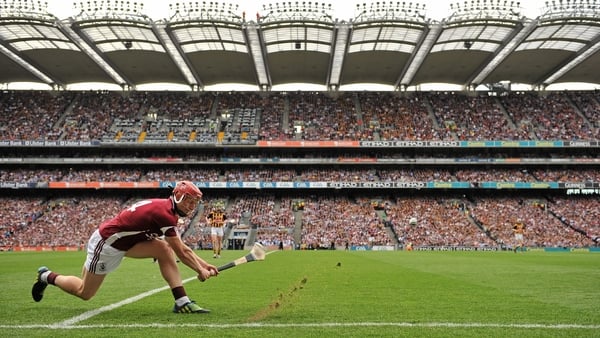
One perennial survivor was Copper Face Jacks on Dublin's Harcourt Street. Traditionally the preserve of the 'culchie raver' and a melting pot of romance for guards and nurses, its reputation saw it reverentially namechecked by an All Ireland-winning captain on the steps of the Hogan Stand and even a short-lived (if critically panned) musical in its honour.
We need your consent to load this rte-player contentWe use rte-player to manage extra content that can set cookies on your device and collect data about your activity. Please review their details and accept them to load the content.Manage Preferences
From RTÉ Archives, Anna Murphy reports for RTÉ News in 20024 on unhappiness in clubland that venues in the capital are forced to shut on Sunday nights
The story of Ireland’s nightlife and its nightclubs present a fascinating and important social history. It reveals the spaces that young people sought out to socialise in, experiment, explore love and sexuality, find romance or dance away heartbreak. The soundtrack to the clubs were fuelled by the beats of leading national and international DJs who could build the atmosphere in the entire venue and fill the dancefloor with the latest music.
After a pandemic that saw young and old confined to our houses and bedrooms, and where the streaming platforms are still winning a cultural battleground, there are signs that an appetite persists to take back the night and to seek out Ireland’s club nights once again.
Follow RTÉ Brainstorm on WhatsApp and Instagram for more stories and updates
The views expressed here are those of the author and do not represent or reflect the views of RTÉ