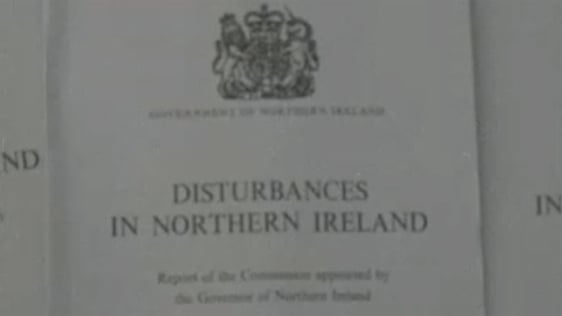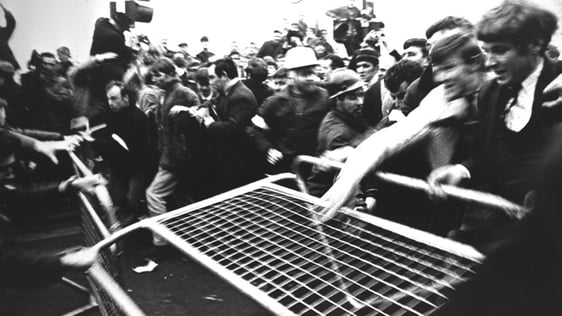
On 15 January 1969, the Government of Northern Ireland announced the establishment of a commission:
“to hold an enquiry into and to report upon the course of events leading to, and the immediate causes and nature of the violence and civil disturbance in Northern Ireland on and since 5 October 1968; and to assess the composition, conduct and aims of those bodies involved in the current agitation and in any incidents arising out of it.”
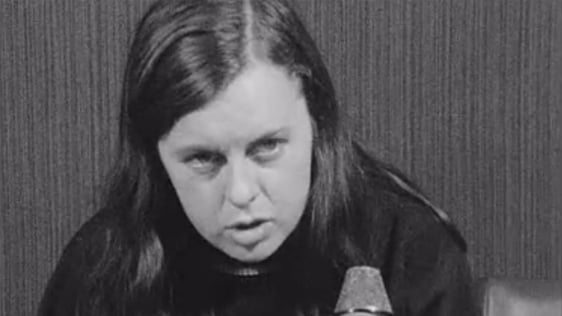
This became known as the Cameron Commission and consisted of Lord Cameron, Sir John Biggart, and James Campbell. By the time the report was published in September 1969, much had changed in Northern Ireland. Key events include the following: a Stormont election resulted in a split in the Ulster Unionist Party (UUP). The Ulster Unionist Parliamentary Party voted for "one man, one vote". Terence O'Neill resigned as Prime Minister. Unity candidate Bernadette Devlin became the youngest woman ever to be elected to Westminster. A loyalist bombing campaign targeted electricity and water plants. Increased sectarian strife across Northern Ireland resulted in the "Battle of the Bogside", the deaths of six people in a Belfast riot and the deployment of British troops in Northern Ireland.
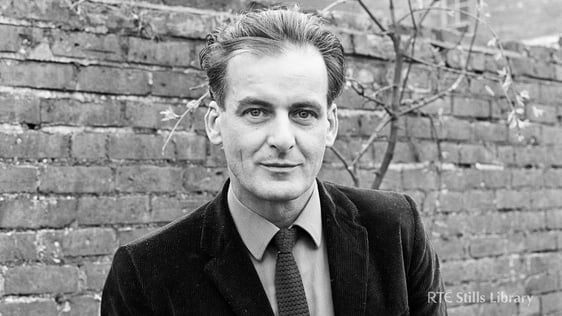
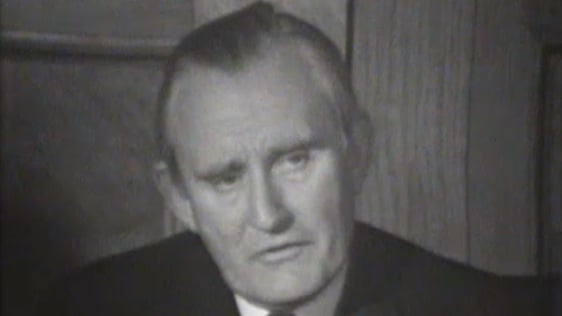
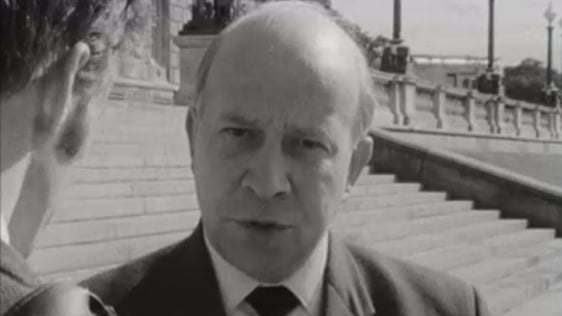
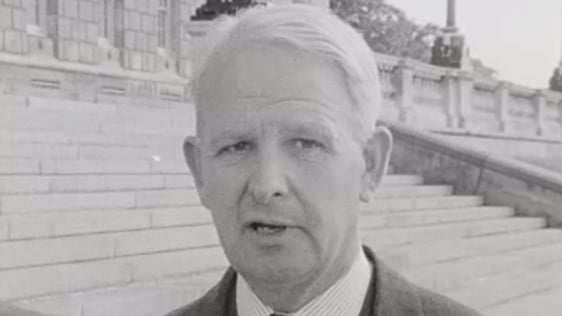
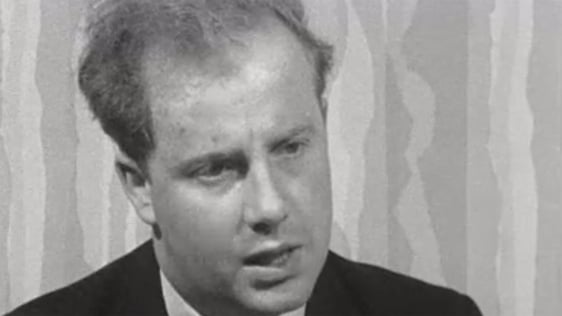
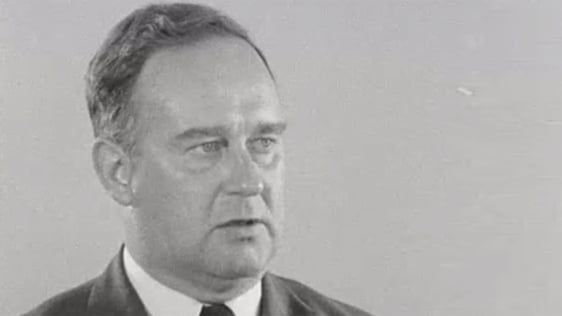
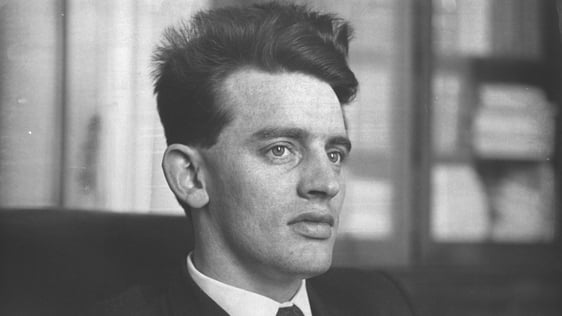
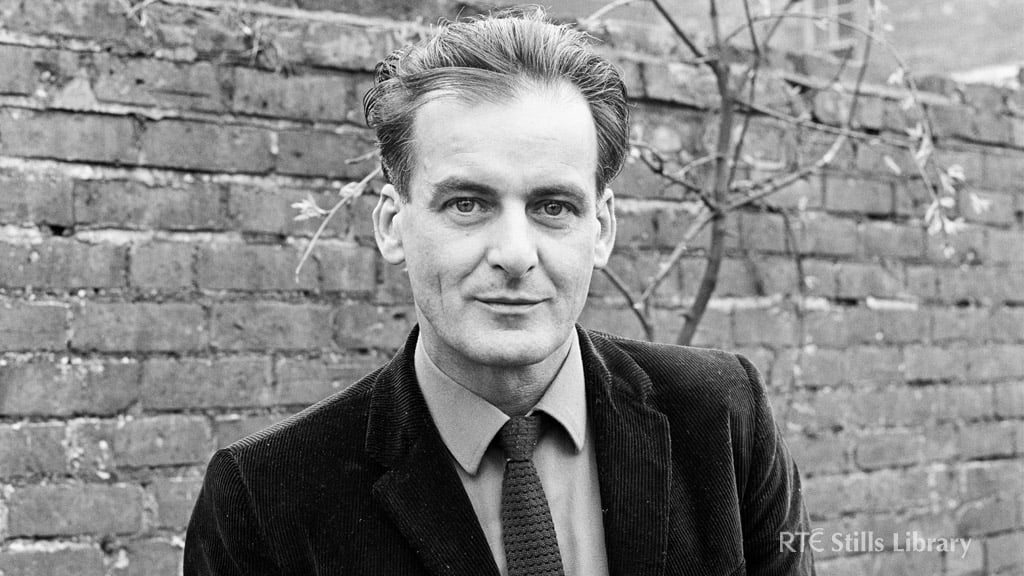
The accompanying image shows Frank Gogarty of the Northern Ireland Civil Rights Association, one of many who spoke to RTÉ in reaction to the Cameron Report.
© RTÉ Stills Library 2142/055
A commission is set up to investigate the violence and civil unrest that has been going on in Northern Ireland over the past months.
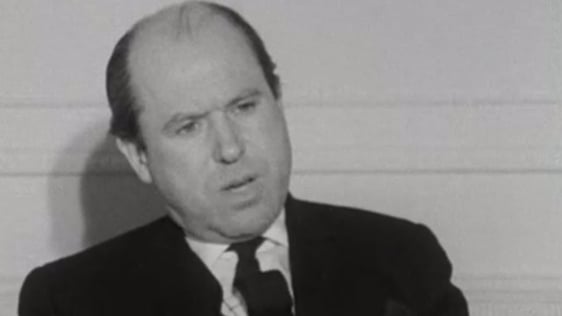
The Northern Ireland Chief Whip Roy Bradford talks to RTÉ reporter Ronnie Turner about the commission established by the Government to examine the causes of unrest in Northern Ireland.
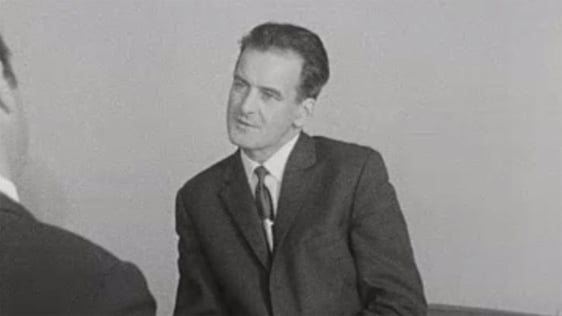
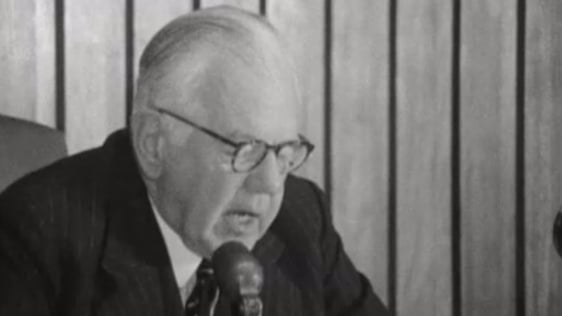
Lord Cameron explains why the sittings of the commission of enquiry will be held in private.
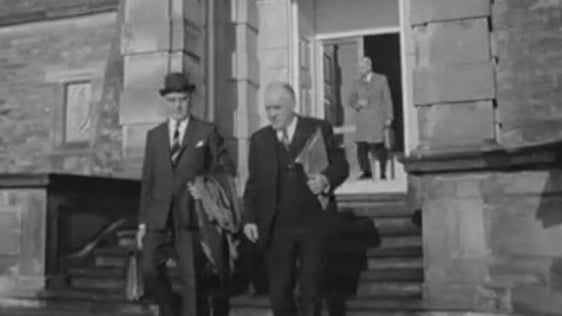
Following the publication of the Cameron Report on 12 September 1969, the Prime Minister of Northern Ireland James Chichester-Clark, Minister of Development Brian Faulkner and Minister of Home Affairs Robert Porter answer questions from the media.
Martin Wallace reports on the publication of the Cameron Report and the initial reaction from the Northern Ireland Government.
The Northern Ireland Minister for Home Affairs, Robert Porter, on what, if any, impact the Cameron Report will have on the police force and the Special Powers Act.
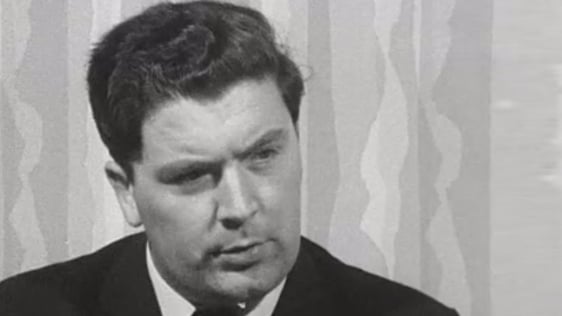
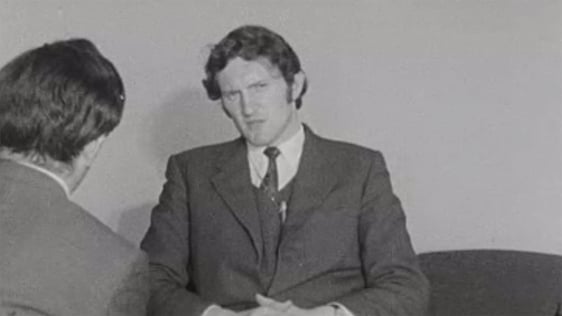
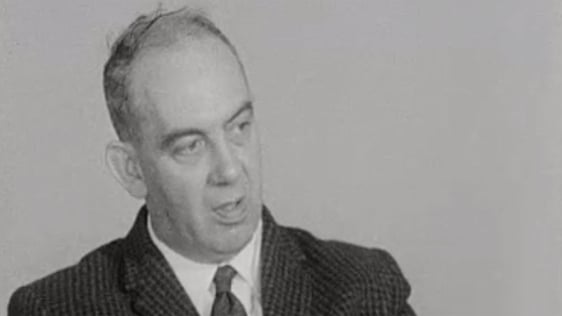
RTÉ Radio gets reaction to the Cameron Report from William Craig, John Hume, Ronald Bunting, Bernadette Devlin, Eddie McAteer and Gerry Fitt.
Bernadette Devlin gives her reaction to the Cameron Report. Devlin identifies basic social deprivation, lack of jobs and lack of housing as central to the unrest that took place 5 October.
Brian Faulkner gives his reaction to the Cameron Report and says that the findings of the report justify the government's line.
Eamonn McCann describes his disappointment with the report and describes it as "under-researched" and "over-written" and contains factual inaccuracies about the injury toll.
Nationalist Party MP Eddie McAteer on the Cameron Report.
On his return from America, Ian Paisley talks to Eddie Barrett about the Cameron Report and his trip abroad.
Ivan Cooper gives his reaction to the Cameron Report. Cooper describes the findings of the report as "revealing".
John Hume gives his reaction to the Cameron Report and points the finger at the unionist supporters as the cause of the trouble.
Michael Farrell talks to Pat Sweeney about references to the People's Democracy in the Cameron Report.
Ronald Bunting gives his reaction to the Cameron Report.
William Craig gives his reaction to the Cameron Report.
Frank Gogarty of the Northern Ireland Civil Rights Association (NICRA) gives his reaction to the Cameron Report.
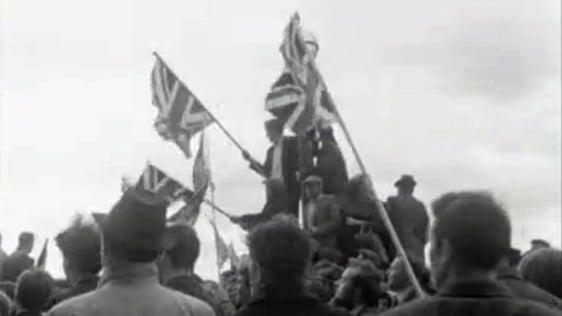
As the parliament meets at Stormont to debate the Cameron Report, thousands of loyalists join Ian Paisley in a protest outside.
Martin Wallace reports from outside Stormont on the Cameron Report debate, which has continued into a second day.