


The UN has just delivered the most complete scientific overview yet of the links between the land we live off and global warming. It was compiled by more than 100 climate scientists, drawing on thousands of data sets. Here are some of the key points:
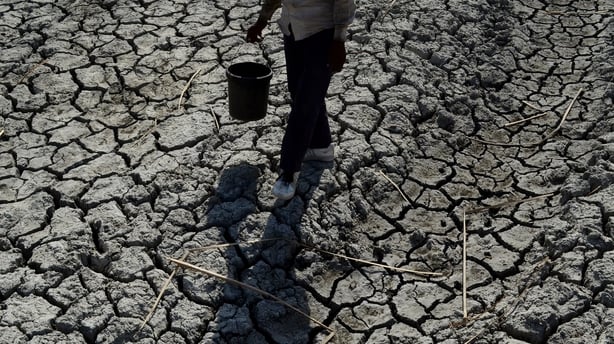
1) Sucking Earth dry
The report found that farming activity uses 70% of the planet's freshwater and, at the same time, human activity is leading to a growth in the world's deserts, with the amount of land area experiencing drought increasing by around 1% each year.
Land, with its soil, vegetation and ability to reflect much of the Sun's heat, sucked up as much as 29% of mankind's CO2 emissions in the decade to 2016. But as temperatures rise across the globe, there are fears that absorption rate will slow.
Land is also a source of greenhouse gases, with agriculture, forestry and other activities accounting for 23% of total man-made emissions.

2) Risen above 1.5C
The Panel for Climate Change received global attention in 2018 following its assessment on how to limit global warming to 1.5C - as provided for in the Paris climate deal.
It showed the need for robust greenhouse gas emissions cuts, which have to be achieved by an immediate fall in fossil fuel consumption.
Earth's surface has already heated 1C since pre-industrial times, but temperatures on land rise faster than in the ocean.
This UN climate change report suggests that compared to the pre-industrial average, land temperatures have already risen to 1.53C.
It also warned that the risk of food insecurity would go from "high" at 1.5C of warming, to "very high" at 2C.

3) Combatting climate change
The report looks at ways that we can use land to combat climate change. It stresses the value of maintaining and even restoring forests to suck carbon from the atmosphere.

4) Overweight and underfed
The report finds that between 25-30% of all food produced is currently lost or wasted.
This waste comes in the middle of a period of heightened meat and fat consumption among wealthy nations.
Meanwhile, around 2 billion adults are classified as overweight or obese, while at least 820 million people go to bed hungry every night.
To improve climate change, the report suggests that we must move to a more plant-based diet.
