
Using artificial intelligence (AI) for disease control, monitoring the burps of cattle to reduce methane emissions and replacing plastic packaging with a grain-based alternative were among the innovative projects to receive funding from the Department of Agriculture today.
The funding is part of a €37.5 million investment in research for agri-food, forest and bioeconomy - which is aimed at improving efficiency and resilience in the sectors.
A total of 30 projects across 19 institutes were allocated funding, ranging from around €170,000 to €3 million per project.
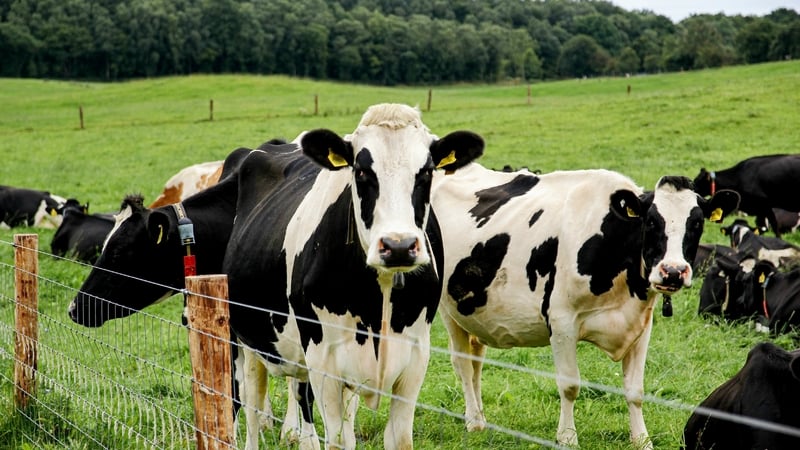
One project investigating impacts of feed additives on reducing methane emissions from the burps of beef cattle over their lifetime was allocated almost €1.5 million.
The research will look at ways of reducing methane emissions in Irish beef systems through strategic use of feed additives and early-life interventions.
The vast majority of methane - a greenhouse gas - released by cattle during digestion is by belching, rather than flatulance.
They included research aimed at developing functional foods to meet the protein needs of older people and those on weight loss treatments.
Led by Teagasc Researcher Noel McCarthy and receiving €732,000, another project hopes to find ways of finding accessible proteins that can be easily phased into people's diets as they age.
Another project will look at using AI to improve disease surveillance and control among livestock in the country, which is particularly relevant amid the heightened threat from diseases such as bluetongue and bird flu.
Professor Conor McAloon from UCD is leading the initiative, which received €1.5 million.
Meanwhile, a project investigating impacts of feed additives on reducing methane emissions from the burps of beef cattle over their lifetime was allocated almost €1.5 million.
The research will look at ways of reducing methane emissions in Irish beef systems through strategic use of feed additives and early-life interventions. The vast majority of methane released by cattle during digesti
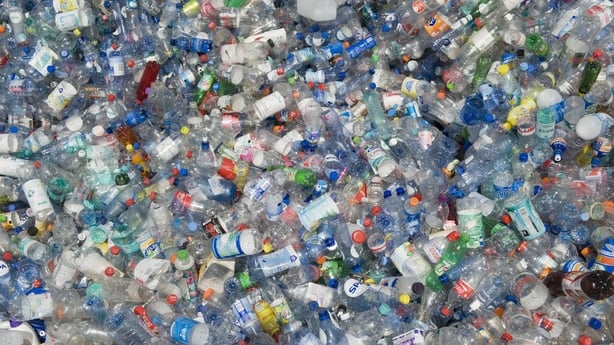
Reducing packaging waste is also a focus of some of the projects, including one from TUD that is investigating developing compostable, fibre-based packaging from brewers' spent grain (a byproduct of the brewing process).
Researchers are also exploring the use of seaweed-derived biopolymers to extend the shelf life of horticultural produce by 30-60%.
Other areas of focus include innovation and value-add in the food sector while addressing healthy diets, improving water quality, enhancing biodiversity, tackling climate change, strengthening animal health and welfare, and advancing farm safety.
Commenting on the funding, Minister for Agriculture Martin Heydon said it is "an investment in the future of Ireland’s agri-food, forest and bioeconomy sectors".
"Cutting-edge research and innovation are essential to ensuring that these sectors remain competitive, resilient and sustainable in the years ahead," Mr Heydon added.
Minister of State for Research and Development Noel Grealish added that "collaboration is at the heart of this investment".
"I am delighted to see that the projects will involve the education and training of over 90 postgraduate students and over 60 contract researchers, thus ensuring a continuous stream of highly skilled scientific talent coming through to our industry."