
The Environmental Protection Agency has reported that Ireland has complied with all its EU air pollution reduction targets for 2024, and is on track to meet its targets for 2030.
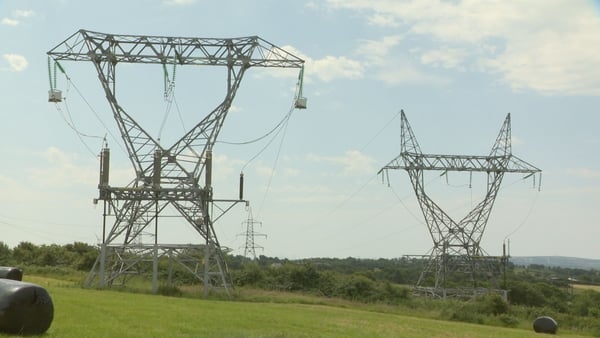
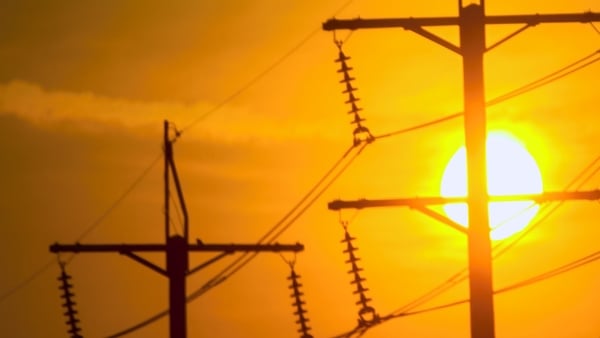
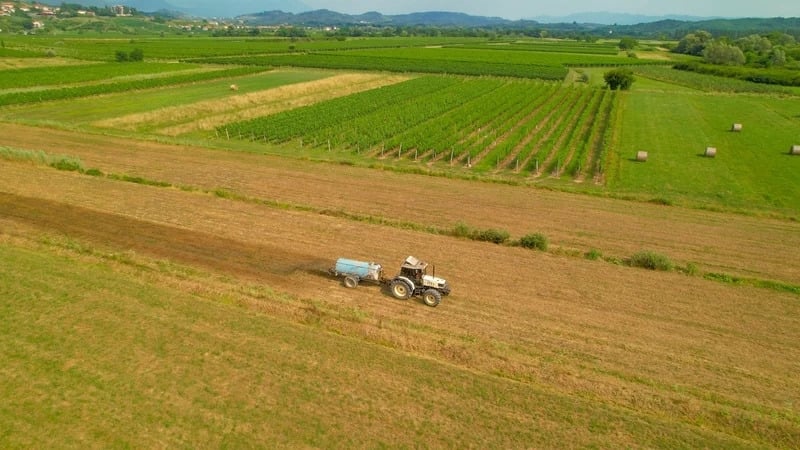
The agency said reducing the use of fossil fuels to generate electricity, and adopting low-emission slurry-spreading techniques on farms, have been key to achieving the targets and improving air quality.
Five key air pollutants impact on air quality, human health and the environment.
Sulphur dioxide, from burning coal and oil, acidifies soil and water and accelerates the external corrosion of acid rain.
Nitrogen dioxide pollution, from power plants and diesel engines, aggravates diseases like diabetes, hypertension, stroke, COPD and asthma.
We need your consent to load this rte-player contentWe use rte-player to manage extra content that can set cookies on your device and collect data about your activity. Please review their details and accept them to load the content.Manage Preferences
Ammonia emissions are associated with acid deposition and other pollution that damages health.
Non-methane volatile organic compounds, from the likes of paint strippers, cleaning agents, animal manure, and spirit production cause respiratory issues and allergic reactions.
Fine particulate matter, or PM2.5, is made up of tiny combustion particles and compounds from using fossil fuels in transportation and homes. Breathing in these particles over long periods of time aggravates heart and lung conditions and contributes to premature deaths.
Today's report from the EPA confirms that the trends in all these five major pollutants is going in the right direction and Ireland satisfied the EU pollution targets for 2024.
"This is good news. We can hit our 2030 air pollutant reduction goals if we stay on course with the National Air Pollution Control Programme," Dr Tomás Murray, Senior Manager of EPA Emissions Statistics said.
"By moving away from fossil fuels to generate our electricity and continued adoption of a range of good farming practices, we aren't just achieving targets but also actively protecting our health and our environment."
The Director of the EPA Office of Enforcement and Assessment, Roni Hawe, said there are clear benefits for air quality, human health and sensitive ecosystems.
Agriculture accounts for over 99% of ammonia emissions in Ireland and was previously non-compliant with EU targets in 2020 and 2021.
Since then, however, the ongoing adoption of low-emission slurry spreading, in combination with a reduction of dairy and other cattle numbers, has reduced ammonia significantly, preventing about 8,526 tonnes being released to the atmosphere.
Ms Hawe said that is 7% of the national total, making it one of the most effective actions in reducing national ammonia emissions.
The figures for 2024 also show reductions of 4.4% in sulphur dioxide emissions, 1.9% in fine particulate matter, 1.3% in nitrogen oxides, and 1% in non-methane volatile organic compounds.
In addition, the report highlights very notable long-term improvements in air quality.
Since 1990, particulate matter pollution in Ireland is down 67%, sulphur dioxide pollution is down by 96%, and nitrogen oxide pollution is down by 67%.
Speaking on RTÉ's Morning Ireland, Programme Manager of the EPA's Climate Action Programme Dr Conor Quinlan said that the huge reductions in emissions since 1990 have led to a significant improvement in air quality, not withstanding the increase in development and population.
"We are on the right track here," he said. "The scale and pace of change probably has to accelerate, but we are moving in the right direction for that.
"What happens post 2030, that's still being discussed."
Mr Quinlan said that changes to slurry spreading on farms was a significant behavioural change which required investment while there has been a significant shift towards cleaner fuels and electrification.
He said that better insulated homes and the replacement of solid fuel with gas, as well as a move towards electrification using solar panels has also helped.