The World Weather Attribution group of climate scientists has warned that extraordinary extreme weather is likely this year and said 2026 could turn out to be the second warmest, if not the warmest year, on record.
It notes that sea surface temperatures are approaching the highest level ever and that wildfires have already burned more than 150 million hectares in the first four months of the year.
This is 50% higher than the recent wildfire average and double the amount burned in 2024.
It expects these trends will be added to by the growing impacts of a potentially very strong naturally occurring El Nino warming event now taking shape in the tropical Pacific Ocean.
The scientists said we could be heading towards an unprecedented year of global fire and record-breaking weather events.
They said records will continue to break and extreme weather will worsen until the world drastically cuts fossil fuel use and reaches net-zero emissions.
Dr Daniel Swain of the California Institute for Water Resources, UNCAR, said strong El Nino events, even on their own without global warming, cause regional to continental disruption in precipitation patterns and so increase the risk of floods.
"This effect will be amplified considerably by the now nearly 1.5C of global warming experienced as of 2026," Dr Swain said.
"In modern human history, we've never experienced a strong or very strong El Nino event amid pre-existing conditions that were this warm globally, therefore, it would not be surprising to see some unprecedented global impacts by later in 2026 into 2027 in terms of flood, drought, and wildfire-related extremes", he added.
There is considerable concern that potential drought in tropical rainforest regions this year, including the Amazon, Oceana and parts of Southeast Asia could increase the risk of widespread or unusually intense fires in normally damp regions where such fires are not common.
This could seriously impact ecosystems and human societies via choking smoke pollution.
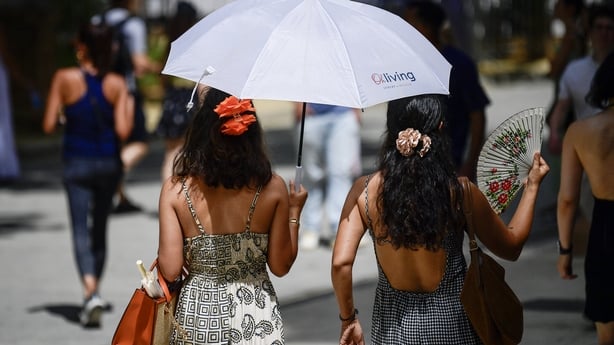
Dr Jemilah Mahmood, Executive Director of Sunway Centre for Planetary Health warned that excess heat is a major killer.
"It doesn't make headlines the way disasters do. It doesn't produce images that trigger emergency funding. It doesn’t arrive with a named storm or a visible flood line."
"It kills quietly, in homes, in open fields, in the bodies of workers who have no choice but to be outside. Officially 546,000 people die every year from heat-related causes. But that is almost certainly an undercount because heat deaths are systematically misclassified, particularly in low and middle-income countries" she said.
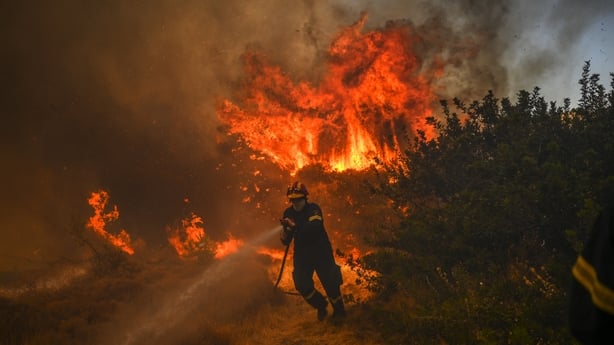
The tiny particulate pollution, Pm2.5, caused by wildfires can be 10 times more harmful to human health than traffic emissions.
In addition, heat worsens air quality, amplifies respiratory illness, and drives cardiovascular events.
A 2024 Lancet study found 1.53 million deaths every year were linked to air pollution from wildfires, more than four times higher than previous estimates.
In Australia's 2019 fires, 33 people died directly in the flames but the smoke from the wildfires killed 417 more.
In the Los Angeles fires of January 2025, researchers found nearly 50% additional deaths from smoke exposure beyond the direct fire fatalities.
Dr Mahmood said she is concerned that governments have quietly stepped back from their climate commitments over the past couple of years.
"The language has softened, the ambition has retreated, and some have behaved as though the climate crisis was a chapter we should choose to close. Or at least defer until the next election cycle.
"Nature, of course, does not read political memos. The World Meteorological Organization now tells us that our planet is more out of balance than at any time in observed history", she said.
Dr Friederike Otto who is the co-founder of the World Weather Attribution group said:
"While El Niño could lead to very extreme conditions later this year, it's not the reason to freak out. El Niño is a natural phenomenon. It comes and goes. Climate change on the contrary gets worse as long as we do not stop burning fossil fuels."
"So, climate change is the reason to freak out. And ideally, in a constructive way, by doing something about it - and we do know what to do about it. We have the knowledge and technology to go very, very far away from using fossil fuels," Dr Otto added.