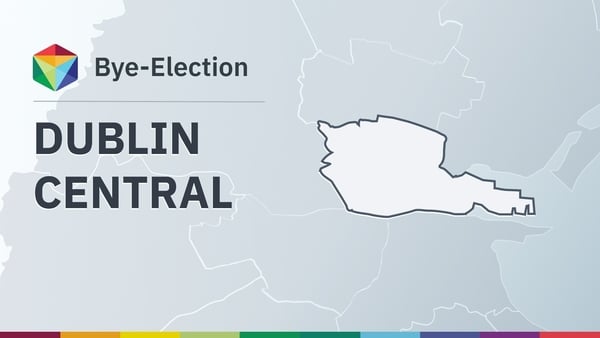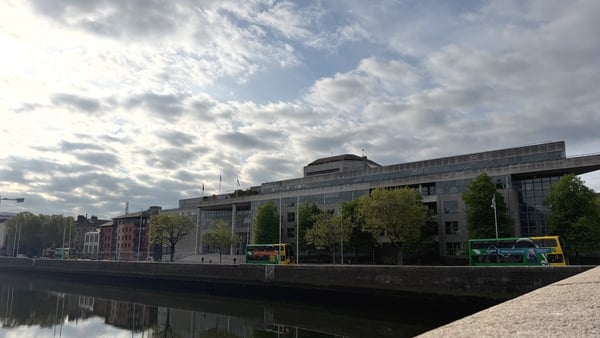

Dereliction in Dublin and the impact that it has on housing supply, along with concerns about safety and security, are among the issues on the minds of voters in the Dublin Central constituency as they go to the polls next week to cast their vote in the bye-election.
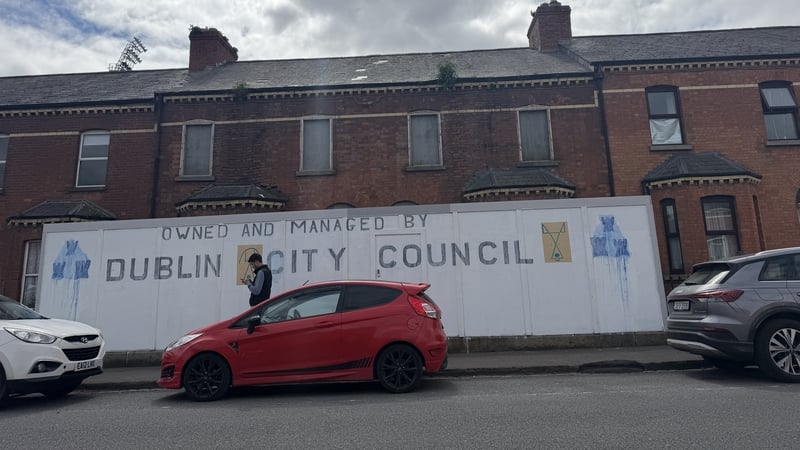
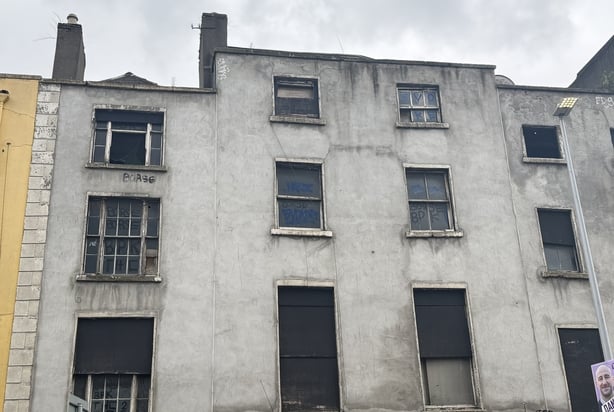
There are currently 138 properties on the Derelict Sites Register in the Dublin City Council area, but experts said this is only a fraction of the buildings that are vacant around the capital's core, as there are around 800 more currently under consideration to be added to the register.
Architectural technician Robert Cross, who monitors the rate of dereliction in local authority areas across the country through his website www.derelictsites.com, said that Dublin 1 is one of the blackspots for dereliction in the capital.
"It's not a good thing for the local residents and in general, especially when there's a housing crisis, rents are rising, house prices are rising, for everyone to be just walking past, seeing these houses. I think it's an outrage, and I think it should be resolved."
He said he believes early intervention is key to Dublin City Council tackling the issue and returning these properties to use, citing the examples of two redbrick Victorian houses on Connaught Street in Phibsborough in Dublin 7, which have been on and off the Derelict Sites Register for 17 years.
The council acquired them under Compulsory Purchase Order seven years ago in 2019 and intended to redevelop them for social housing, but recently abandoned those plans because it said the estimated cost of redeveloping them had now reached €1.7m.
"What happened was actually because of extensive rain, a cascade of water was coming down, damaging the front facade, but also undermining the actual foundations causing subsidence. At this stage, it's too late. Before it becomes derelict, that's when the local authority, needs to come in and help the landlord with grants, advice - is there loans available, sustainable energy grants? I think that needs to be more proactive and then we will avoid this situation."
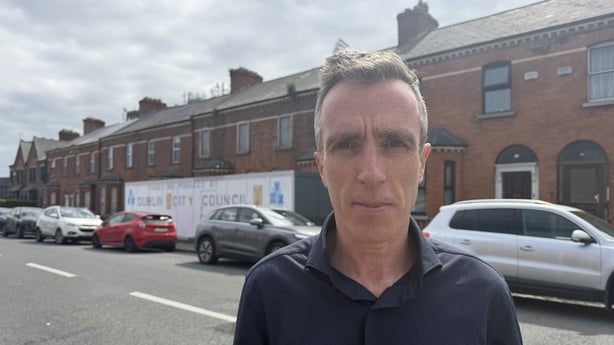
Mr Cross said he believes that better use of mapping and databases could help the councils identify derelict properties earlier and see the full extent of dereliction.
"They need to map all the properties, and especially the vacant properties, and actually to see what we're dealing with. Because if you can't, you can't measure, you just can't manage it. We have the tools now. We have these databases, we have AI to analyse.
"I think [what] they should do is tie in with the databases for Irish Water, the gas networks and also delivery companies, they can see what properties actually are vacant and then, then you can actually focus all your resources on that. We need to be more proactive."
While some areas feel they are suffering because of a lack of occupancy, other areas are feeling the strain of too much.
On Gardiner Street, not far from O'Connell Street in the north inner city, there are more than 1,700 homeless beds.
That means one in 10 people who are homeless in Ireland are living on that street, and locals said the high concentration of homelessness and the related support services are putting pressure on resources.
Security and safety concerns
Two and a half years after the Dublin riots, there are also ongoing security and safety concerns in Dublin city centre, in particular relating to groups of young people.
But CEO of Belvedere Youth Club Jenny Courtney said that there is no easy fix to some of the issues in the Dublin Central area because they are a result of decades of neglect.
"We work with children and young people from the ages of seven to 24. A lot of... young people will be in direct provision centres, they're also in homeless accommodation, and they struggle for space to be children and young people.
"The community is plagued by decades of systemic failures. There's lack of opportunity and I see every day through the work that I do, the amount of poverty that still exists for children and young people in the north east inner city."
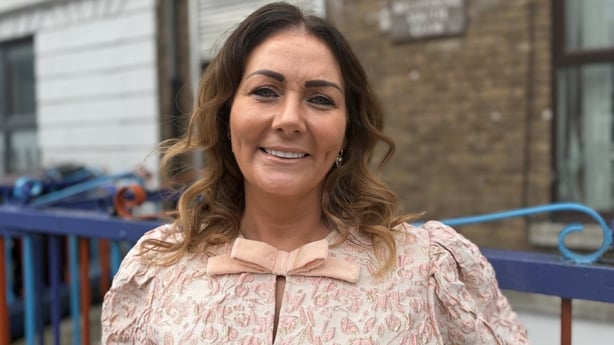
She said there is a lot of trauma in the north east inner city and that longer-term solutions are required to tackle the issues, which she said are complex and multi-layered.
"We have a community here that's been promised endless promises and are still waiting for things to come through. And they're losing faith and they're losing hope. I don't think money alone can change or can tackle the deep-rooted complexities and level of need.
"That level needs co-ordination, it needs long-term investment, it needs accountability. Short-term investment and short-term pilot projects don't allow the time to bring about the transformative change or bring about the impact that's needed in this community."
Housing availability, supports and integration
Among the other issues coming up on the doorsteps of Dublin Central is housing availability and the cost of rent for those who work and want to live close to the city centre or stay in their home areas.
For those who live in council housing and flats, the recent increase in rents to now include the incomes of children who live with their parents has been a major issue, as have the conditions of many of the very old complexes, which are plagued with problems such as damp, mould and broken windows.
There are also concerns about the ability of children with disabilities and additional needs to access assessment and supports, and there are problems with the availability of childcare places, particularly for young babies when their mothers are returning to work.
The lack of sports facilities for young people in the area is also an issue, while the development of a long-awaited new school planned for Dominick Street is currently stalled.
A lack of cultural and arts spaces and the loss of some of those places, along with the erosion of the night-time economy, are also of concern.
Meanwhile, the ongoing debate about the regeneration plans for the city as part of the Dublin City Taskforce is a concern for businesses in Dublin Central.
The cost of living and working in the capital was brought into sharp focus when the recent fuel protests blockaded O'Connell Street and curtailed public transport for most of the week after Easter.
And as one of the most diverse areas of the country, integration is an ongoing issue, with the scale of the new communities in Dublin Central and the lack of an integration strategy for the capital also recently being highlighted.