Trust was shattered between the United States and Iran last February when negotiations over Tehran's nuclear programme were blown up by the Americans following the launch of their joint operation with Israel, known as Epic Fury.
As Washington and Tehran work with Pakistan to hammer out a deal to end the violence, confidence-building has been a core part of those efforts.
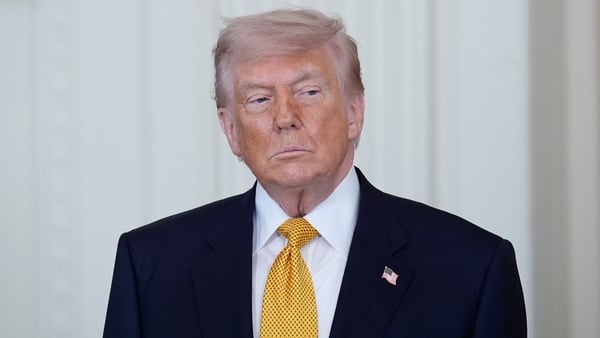
The Vice President's addition to the US negotiating team could signal an effort to advance talks, given JD Vance’s long-standing scepticism of foreign wars.
And in the past 12 hours, both sides appear to be extending olive branches, with parts of a checklist to a deal being ticked off.
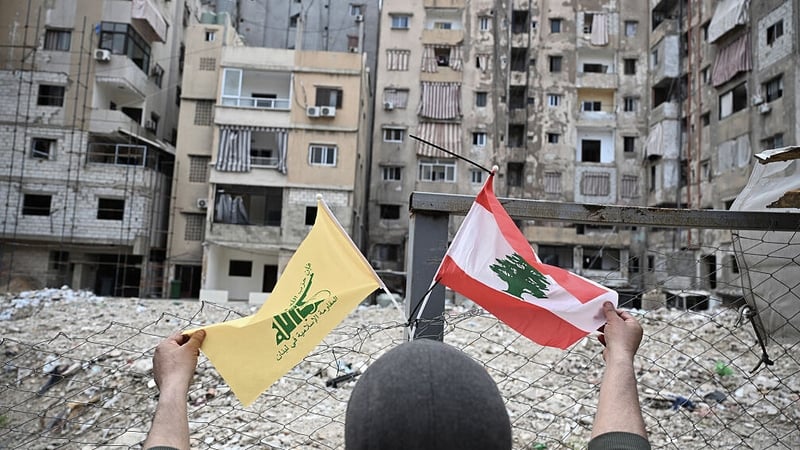
Ceasefire in Lebanon: Check
Reopening the Strait of Hormuz: Check
Confidence-building between the US and Iran: Check
After weeks of fighting, the world appears closer than ever to this conflict being over. As French President Emmanuel Macron said it appears to be going in the right direction.
But questions remain about the substance behind these announcements and agreements.
Oil prices have sunk 10% since the announcement of the strait reopening.
However, this does not guarantee that oil will come flowing fast back into the market.
Concerns over safety of passage still exist. Will the crew of vessels feel comfortable transiting through a strait that reportedly has mines laid in parts of it?
Iran's Foreign Minister Seyed Abbas Araghchi said the Strait of Hormuz is completely open for the remaining period of ceasefire in Lebanon.
How long can that truce hold? Hezbollah has called for the complete withdrawal of the IDF forces as Israeli forces continue to occupy southern Lebanon and have warned residents not to return there.
Donald Trump has also said that the US naval blockade will continue.
"BUT THE NAVAL BLOCKADE WILL REMAIN IN FULL FORCE AND EFFECT AS IT PERTAINS TO IRAN, ONLY, UNTIL SUCH TIME AS OUR TRANSACTION WITH IRAN IS 100% COMPLETE." he posted on Truth Social.
Finally, and most crucially, the last item on that checklist is going to be the most difficult to mark off: Iran's nuclear programme.
What happens to Iran's "nuclear dust" (as Donald Trump calls it), the future of its nuclear programme and who is going to monitor that?
This is not a done deal just yet and the thorniest of issues still needs to be addressed.
The US President suggested yesterday that he could travel to Pakistan for a second round of negotiations with Iran this weekend.
With today's significant progress, we are getting closer to that becoming a reality.
Read more:
Israel and Lebanon ceasefire begins as Trump says Iran deal 'very close'