



On This Week: Irish moments from history (30th March to April 5th)
Welcome to On This Week, where we delve into the standout stories from the years gone by, featuring standout news stories, major sporting events, and pop culture highlights that helped shape Irish life. Here's your dose of Irish history from 30th March to April 5th.
This week in Irish life and news
1965: How television worked in 1960s Ireland
On this week in 1965 the Discovery series took a look behind the scenes at Telefís Éireann.
Who chooses the programmes we see on television? What goes on in the studio? How do you show films that we see at the cinema? Why can’t they make a programme where I live? What do all the people do? How do you get the news so quickly all over the world?
These were just some of the questions often asked of television makers.
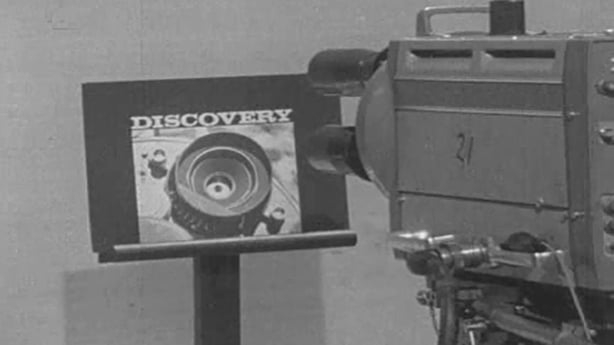
This excerpt from the programme shows the props room, the newsroom and the technology required to transmit the sound and images.
In this building, four hundred people work and create work for hundreds more outside.
We also get a glimpse at the machinery and technology required to run a television station in 1965.
This episode of Discovery was broadcast on 2nd April 1965. The narrator is Brian Cleeve.
1972: Raidió na Gaeltachta is born
In 1972 the country's first national radio station broadcasting in Irish was launched. Raidió na Gaeltachta went on air at 3.00pm on April 2nd of that year with a special pre-recorded message from President Éamon de Valera who welcomed the Irish language radio station. The launch also featured - what else? - a special Mass. In the RTÉ Guide on 31 March 1972 Liam O Murchu, Head of Irish and Children's programmes, wrote that
Raidió na Gaeltachta is for the people of the Gaeltacht, but it would be wrong to think that many of us outside the Gaeltacht aren't interested in it too.
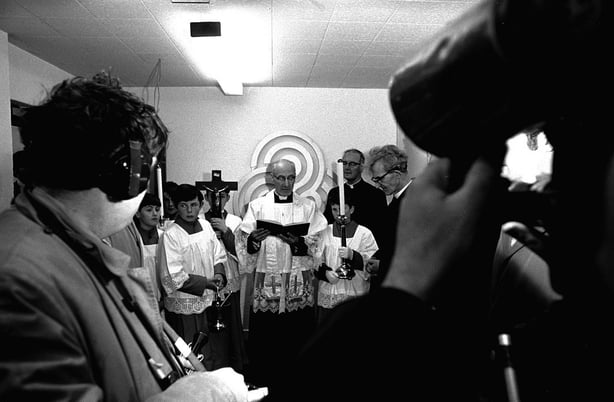
Over fifty years later, the station is still going strong.
1979: Josie Airey vs Ireland
In 1979 Ireland was found guilty of the violation of human rights against one of its citizens, Josie Airey. Cork woman Josie (Johanna) Airey became a household name when she took the Irish government to the Court of Human Rights in Strasbourg having failed to get legal aid. She was unable to obtain a legal separation from her violent husband because she could not afford the legal fees. Supported by the Free Legal Advice Centres (FLAC) and represented by Mary Robinson, Josie Airey won her case.
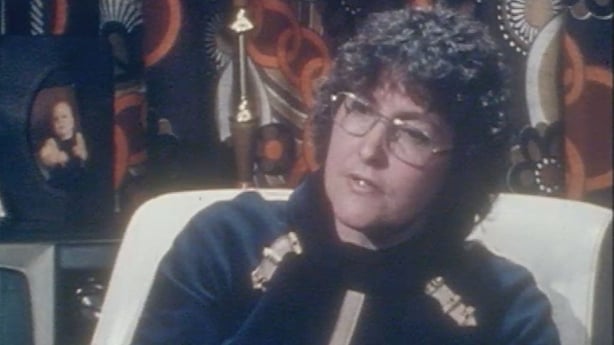
In this report on the current affairs programme Frontline, broadcast on 2nd April 1979, Josie Airey talked about the circumstances leading up to her separation and the legal and financial obstacles she faced. At the time the Irish State only supplied legal aid to those accused of crimes, and Maureen Black (Citizen's Advice Bureau, Cork) describes the plight of many women in the same or similar situation to Josie Airey. The reporter is Colum Kenny.
1991: Childhood memories of the 1916 Rising
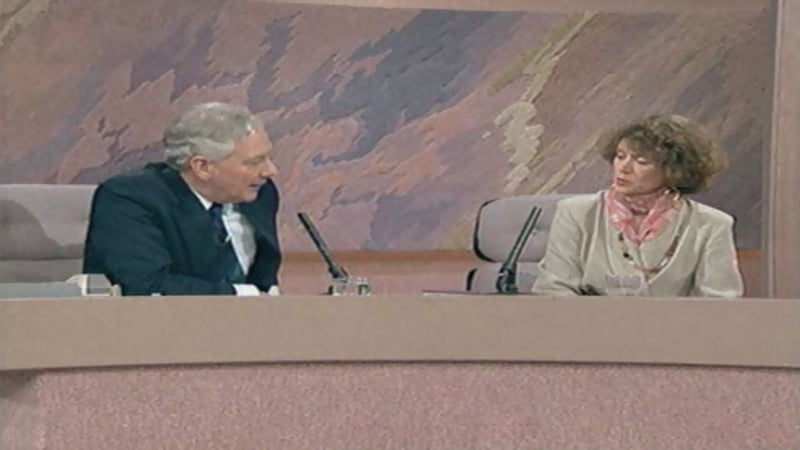
On April 1st 1991, to mark the 75th anniversary of the 1916 Easter Rising, 'Live at Three' hosted a special programme. Presented by Derek Davis, the show featured first-hand accounts of people that were there during Easter Week. In this clip from the programme Margaret Morrissey from Dublin told her story.]
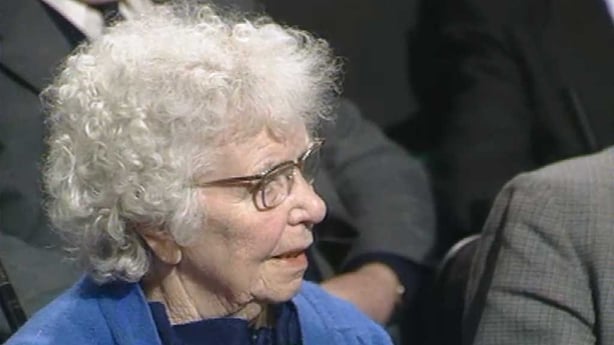
Margaret lived on Grants Row, off Mount Street in Dublin and was 12 years old when the Rising took place. She recalled her brothers, who were members of the Citizen Army, training in the weeks leading up to the Rising. They carried out drills with wooden rifles. Margaret also described the events that she witnessed at Boland's Mill and Mount Street Bridge on Easter Monday.
We were in the house and the battle was going on... We couldn't get out even to loot.
Later in Easter Week Margaret's home came under attack by British soldiers and both her father and brother were shot. Her father died in Holles Street Hospital and her brother lived on for a further two years. Margaret went on to join Clan na nGaedheal girls and Cumman na mBan and stayed in a safe house in the company of Michael Collins.
1993: Annie Murphy on the Late Late Show
In 1993, Annie Murphy spoke to Gay Byrne on the Late Late Show about her affair with the then Bishop of Kerry Eamonn Casey. In 1992 it was revealed that Bishop Eamonn Casey had fathered a child with the American Murphy. The child, named Peter, was born in 1973 when Casey was Bishop of Kerry. Bishop Eamonn Casey resigned as a result of the revelations. The following year in 1993, Annie Murphy published a book Forbidden Fruit: The True Story of My Secret Love for the Bishop of Galway, and made an appearance on the Late Late Show on 3rd April.
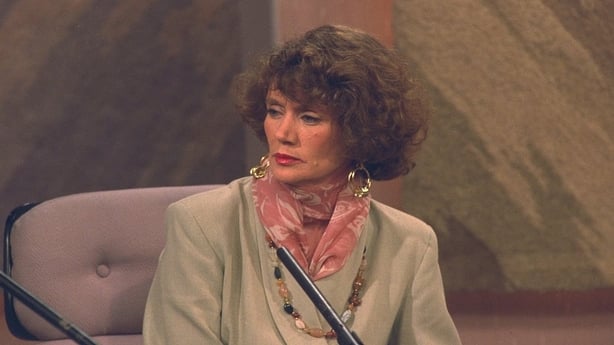
In this excerpt from the interview Gay Byrne remarks that
If your son is half as good a man as his father, he won't be doing too badly.
Annie Murphy responds by stating
I'm not so bad either.
Annie Murphy promptly thanked Gay Byrne for the interview and left the set. The interview caused such a stir that Murphy gave a press conference the following day to discuss her appearance on the show.
This week in arts and entertainment
1971: Ireland hosts Eurovision for the first time.
Following Dana's victory in 1970, Ireland hosted the Eurovision for the first - but not the last - time on 3rd April 1971. The event took place at The Gaiety Theatre in Dublin and was presented by Bernadette Ní Ghallchoir, who greeted viewers as Gaeilge.
This clip goes behind the scenes with the production team during the opening sequence to the show, which was broadcast around the globe to millions of viewers in 29 countries. 18 countries were represented in the contest, which was won by Monaco.
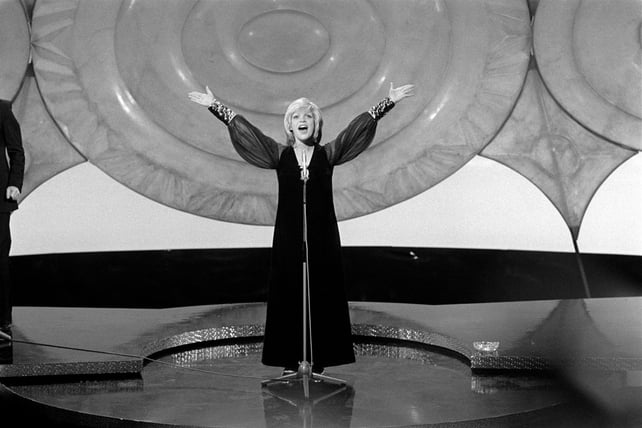
The broadcast began with a film of Grace O'Shaugnessy and Brian McGrath in a horse-drawn carriage travelling through St Stephen's Green to the Gaiety Theatre. Ireland's entry to the contest was 'One Day Love', sung by Angela Farrell, which came in 11th place. The victor of the evening was Monaco's Séverine, who was presented with her award by Adrian Cronin, head of RTÉ's Light Entertainment.
1995: Boyzone are trapped in RTÉ
Boyzone hysteria hit a new high on April 2nd 1995 when the group were trapped in RTÉ studios by fans hoping to catch a glimpse of their idols. Boyzone made an appearance on the radio and television programme The Beatbox, presented by Ian Dempsey. When the show was over the band were unable to leave the studio because of the number of fans outside the building.
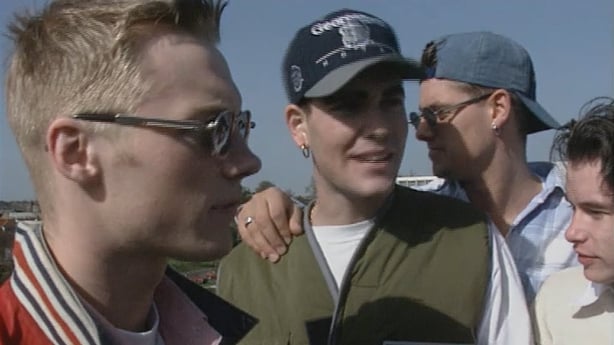
Hoping for a glimpse of the boy band, fans arrived at the RTÉ studios from early morning. One young fan arrived at Montrose at 7:30 am and another was there from 9:00 am. Up to 300 screaming girls maintained their vigil outside the studio for up to three hours. It was decided the safest way for group to see their fans was to bring the five members of Boyzone out onto the roof of the studio. The group welcome the rapturous reception and eventually left RTÉ in limousines. Three girls were taken to hospital as a result of the crush outside the studio but their injuries were not serious. The reporter is Ciarán Mullooly.
This week in sports
1975: Non-stop basketball in Tuam
On April 2nd 1975, the Tuam Basketball Club set a world basketball marathon record at St Jarlath's College gymnasium in Tuam, County Galway. Once the basketball was thrown in by the Archbishop of Tuam Joseph Cunnane, the team played continuously for 55 hours. One member of the team continued playing after fracturing a toe.
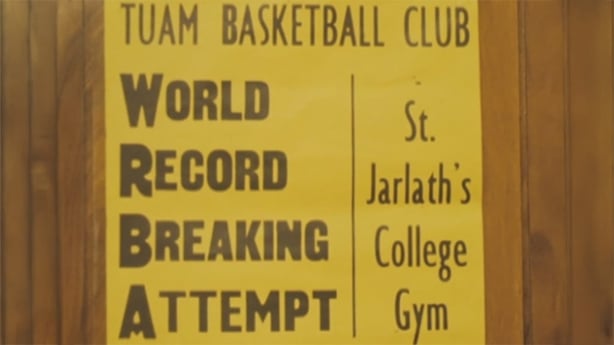
They beat the previous record of 51 hours for a basketball marathon set by a prison team in Victoria, southeast Australia. The rules of the marathon supervised by officials of Galway County Board state that during the record attempt no player may leave the court except for medical attention or a toilet visit. The reporter is Derek Davis.
1976: Does the hurley have a future?
A shortage of ash trees and fewer makers inspires one GAA club to start making their own hurling sticks, as this Newsround report from 4th April 1976 revealed. In the 1970s there were worries for the game of hurling at a local level because of a growing shortage of the humble camán. A national shortage of ash trees and the diminishing skilled hurley makers was a real cause for concern within the GAA. With individual hurls costing between £2 and £3 small rural clubs in particular are being hit hard.
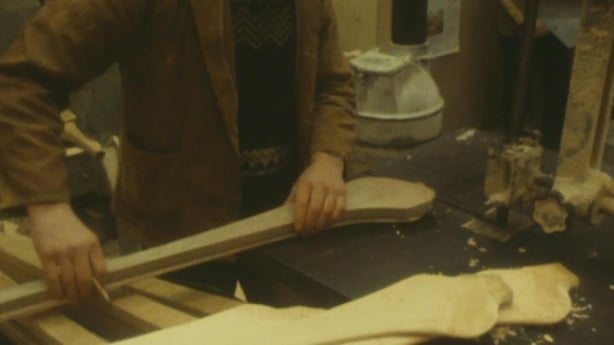
The Portroe GAA club in Tipperary started a scheme to make hurleys. With a bill for the purchase of hurls coming to £200 and a talk of importing plastic hurls from Britain, the Portroe club went back to the old craft of hurley making.
A workshop was set up on the farm of Denis Seymour to prepare ash plants for use in the manufacture of hurleys. Club members attended a night course in Nenagh where they could learn to make their own hurleys. Portroe club president Brendan Murnane believed self sufficiency is the answer to the shortage.
We set up this class to teach 16 to 20 young men how to make hurleys properly. We recruited then Tim Mannion who is an expert hurley maker. He has taught all these boys how to make hurleys properly.
The reporter is Tom MacSweeney.
What was Number 1 in Ireland this week?
1986: 'Living Doll' by Cliff Richard and the Young Ones
The anarchic BBC series The Young Ones was named after one of Cliff Richard's biggest hits, which he released with the Shadows in 1959. But it was still a surprise when the cast - in character - teamed up with Cliff to release their own version of 'Living Doll' for Comic Relief in 1986.
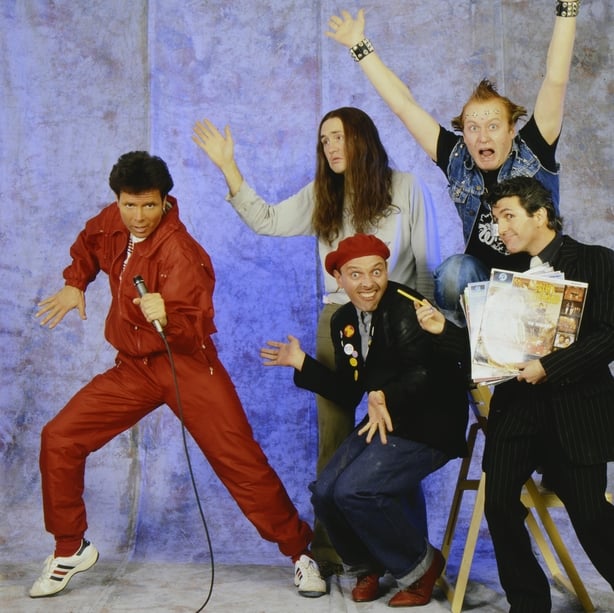
The single was a huge hit, staying at the top of the Irish charts for four weeks in 1986.
1996: 'Aon Focal Eile' by Richie Kavanagh
This novelty song became a massive hit after Gerry Ryan started playing it on his popular 2FM show.
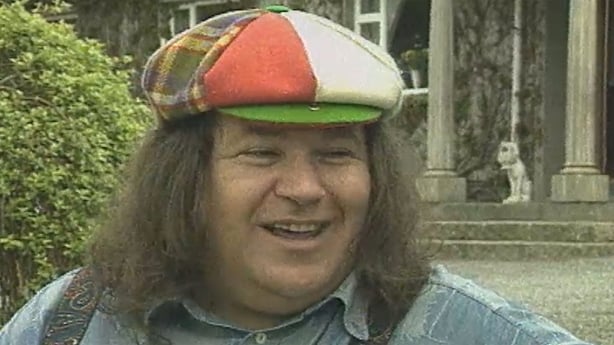
The song stayed at number one for an astonishing seven weeks.
Famous Irish names celebrating birthdays this week
Victoria Smurfit
The actress who starred in Deadly Cuts and Rivals turns 52 on March 31st.
Shane Lowry
The golfer turns 39 on April 2nd
